

Pontiac Trans Sport Engine Torque Strut Mount Guide (1990-1999)
Stop the clunks and shakes in your Trans Sport by replacing a worn engine torque strut mount.
- Symptoms like clunking on acceleration and vibration at idle strongly point to a failed torque strut mount.
- Verify your van's generation (1st Gen: 1990-96, 2nd Gen: 1997-99) before ordering, as the parts are different.
- Replacing the upper torque strut is a simple DIY job that can be done in under an hour with basic tools.
- For this repair on an older vehicle, affordable aftermarket brands like Anchor, DEA, or Westar are a practical choice.
Is Your Trans Sport Shaking or Clunking? Check the Torque Strut.
If you're feeling a harsh vibration at idle or hearing a loud 'clunk' or 'thud' when you accelerate or shift gears, a bad engine torque strut mount is a likely culprit. Because this mount's job is to absorb the engine's twisting force, its failure leads to very noticeable symptoms. The rubber bushing inside the mount cracks, tears, or collapses from age and heat, leaving nothing to dampen the engine's movement.
Symptoms of a Failing Torque Strut Mount:
- Excessive Vibration: A strong vibration felt in the steering wheel, floor, or dashboard, especially when the van is in 'Drive' at a stoplight.
- Clunking or Banging Noises: A distinct 'clunk' sound from the engine bay when you accelerate, let off the gas, or shift from Park to Drive or Reverse. This is the sound of the engine shifting and hitting its limits.
- Jerky Performance: A feeling of hesitation or a jerk when you press the gas, as the engine first has to move before it can deliver power to the wheels.
- Visible Damage: You can often see the failure. Look for deep cracks, torn rubber, or fluid leaking from the mount (on hydraulic versions). You may also see the engine rock back and forth significantly if a helper revs the engine while the van is in park.
Generation Gap: A Critical Ordering Mistake
The Pontiac Trans Sport had two different body styles, and they use different engine mounts. Before ordering, you must know your model year.
- First Generation (1990-1996): These are the futuristic-looking "dustbuster" vans. They use a specific set of mounts.
- Second Generation (1997-1999): These have a more traditional minivan shape. They use different mounts, including two upper torque struts (dog bones) that connect to the radiator support area.
Ordering a part for the wrong generation will not work. Always verify the part fits your specific model year.
Choosing the Right Aftermarket Mount
For a vehicle as old as the Trans Sport, the original GM or AC Delco parts can be extremely expensive or discontinued. Aftermarket parts are the most practical and affordable choice. Here’s a breakdown of the common brands.
| Tier | Brands | Quality & Cost Assessment |
|---|---|---|
| Value Economy | Anchor, DEA, Westar, Pioneer | These brands offer the most affordable replacements. For a simple, non-hydraulic torque strut, they are often a perfectly adequate solution for a daily driver. Reviews are mixed; some users report they work fine for years, while others experience early failure or increased vibration compared to original parts. Given the age of the vehicle and the low cost of the part, this tier is a reasonable choice for most owners. |
| OEM / Premium | AC Delco | AC Delco is the original equipment manufacturer for GM. These parts offer the best fit and material quality, designed to restore the original ride feel. However, the cost can be ten times higher than an aftermarket part, making it a less practical option for many owners of a 1990-1999 vehicle. |
Pro Tip: Easy DIY Replacement
The upper engine torque strut(s) are one of the easiest repairs you can do. They are located right at the top of the engine bay and are typically held on by just two or three bolts. You don't even need to lift the vehicle. Using a basic socket set, you can unbolt the old mount and install the new one in under an hour. This makes it a very cost-effective DIY repair.
Frequently Asked Questions (FAQ)
How many engine mounts does my Trans Sport have?
Most front-wheel-drive V6 vehicles like the Trans Sport have a total of four or five mounts. This includes two or three main weight-bearing engine and transmission mounts, and one or two upper torque struts to control engine rock. The second-generation (1997-99) models specifically use two upper torque struts.
Can I drive with a bad torque strut mount?
While the vehicle will still drive, it is not recommended. The excessive engine movement puts stress on other parts like CV axles, exhaust pipes, coolant hoses, and electrical wiring, which can lead to more expensive repairs down the road. The clunking and vibration also make the vehicle feel unsafe and unstable.
Is it an engine mount or a transmission mount?
The upper 'dog bone' mount is specifically an engine torque strut. It controls engine twisting. The main mounts that hold the weight of the engine and transmission are located lower down. Symptoms are similar, but a failed upper torque strut is most obvious with a 'clunk' on acceleration and is usually the easiest to see and replace.
Are there any recalls for the Trans Sport engine mounts?
No, there are no specific NHTSA recalls or Technical Service Bulletins (TSBs) for engine mount failure on the 1990-1999 Pontiac Trans Sport. Failures on these vehicles are considered normal wear and tear due to age and mileage.
Technical Specifications
OEM Part Numbers: 10247084 10448575 22146834
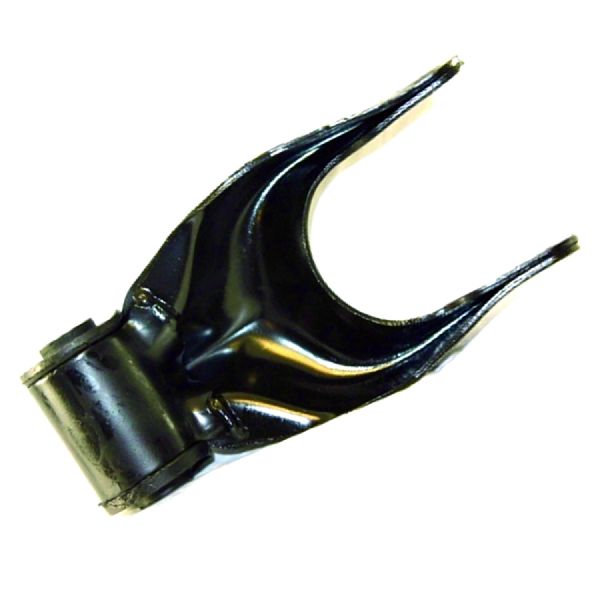
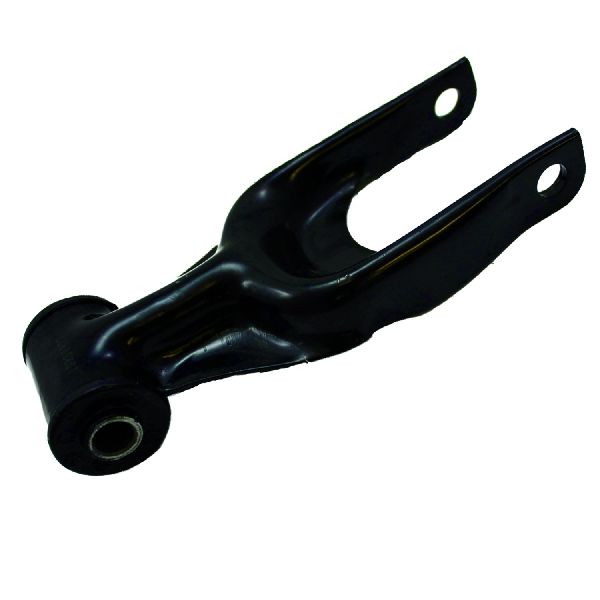
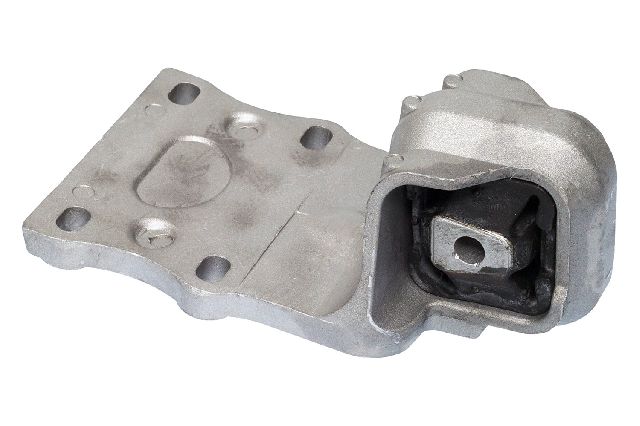
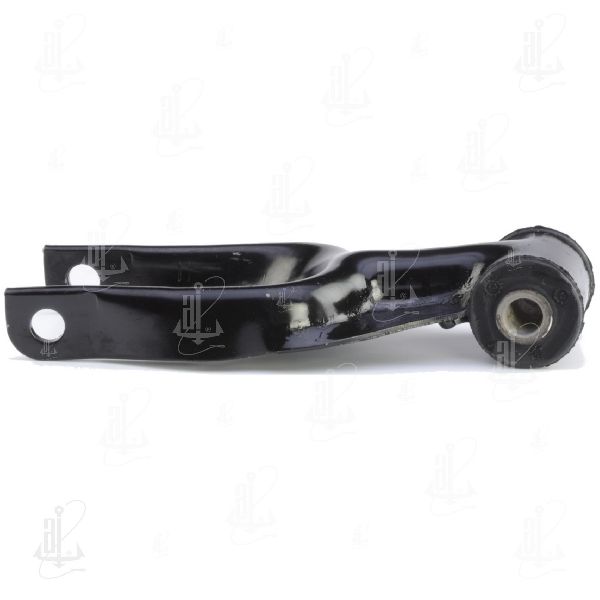
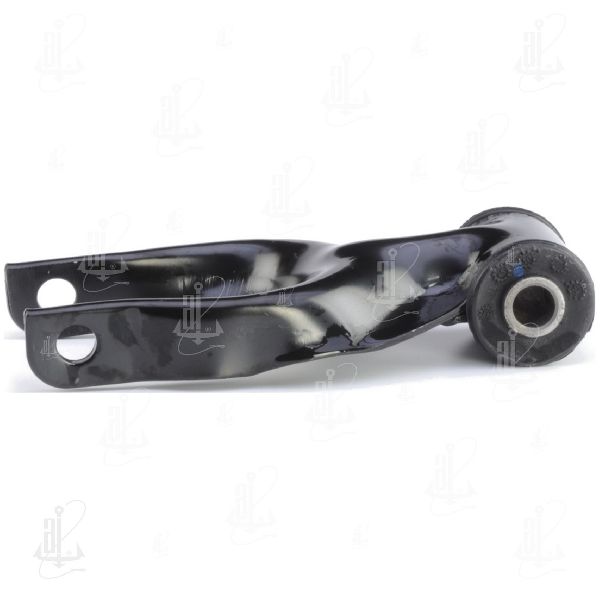
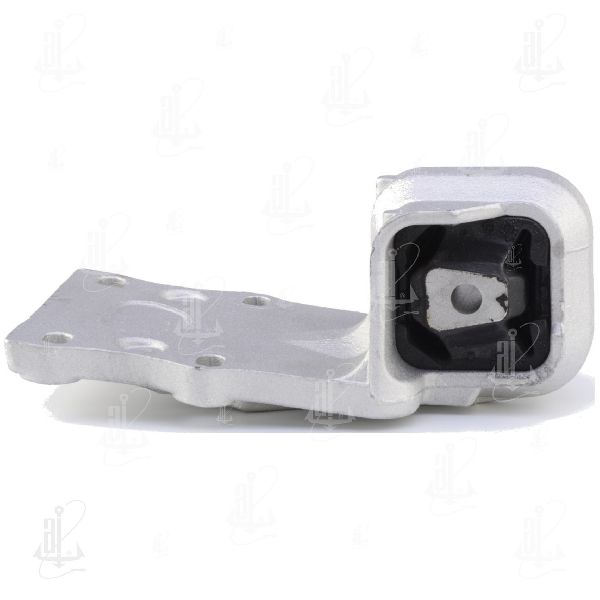
The engine torque strut mount for the Pontiac Trans Sport is a non-hydraulic, solid rubber and metal mount, often shaped like a 'dog bone'. It connects the upper part of the engine/transaxle assembly to the vehicle's radiator core support or frame to resist rotational forces from engine torque. Second generation (1997-1999) models utilize two of these upper mounts.
We Have This Part in Stock

The information in this article is provided for general reference and educational purposes only. Vehicle specifications, procedures, and part compatibility can vary by production date, trim level, and region. Always consult your vehicle's factory service manual and verify part numbers before purchasing or performing repairs. Safety-critical components such as airbags, seat belts, and braking systems should be installed by a qualified professional.
- Pontiac Trans Sport: