

Pontiac Trans Sport Oxygen Sensor: A Guide for 1990-1999 Models
Fix your minivan's poor fuel economy and rough idle by understanding and choosing the right replacement oxygen sensor.
- Verify if your Trans Sport needs one (pre-1996) or two (1996+) oxygen sensors before ordering.
- Choose a 'direct-fit' sensor from a reputable brand like Bosch, Denso, or Delphi to avoid installation problems.
- Always use an O2 sensor socket for removal and apply anti-seize compound to the new sensor's threads.
- A bad oxygen sensor will cause poor fuel economy and can lead to more expensive catalytic converter damage if ignored.
Is Your Trans Sport's Oxygen Sensor Failing?
A bad oxygen sensor can cause several noticeable problems. Because the engine's computer isn't getting accurate information, it can't properly manage the fuel mixture. This often leads to poor performance and other issues that you can feel while driving.
Key Symptoms of a Bad O2 Sensor:
- Check Engine Light: This is the most common sign. A code reader will often show codes related to the O2 sensor heater circuit or performance.
- Poor Fuel Economy: If the computer gets a bad reading, it may dump more fuel than needed into the engine, causing you to visit the gas station more often.
- Rough Idle or Stalling: An incorrect air/fuel mixture can make your engine run rough, especially when idling. In some cases, it can even cause the engine to stall.
- Failed Emissions Test: An O2 sensor is a key part of the emissions system. A faulty one will almost certainly cause your vehicle to fail an emissions inspection.
Choosing the Right Aftermarket Oxygen Sensor
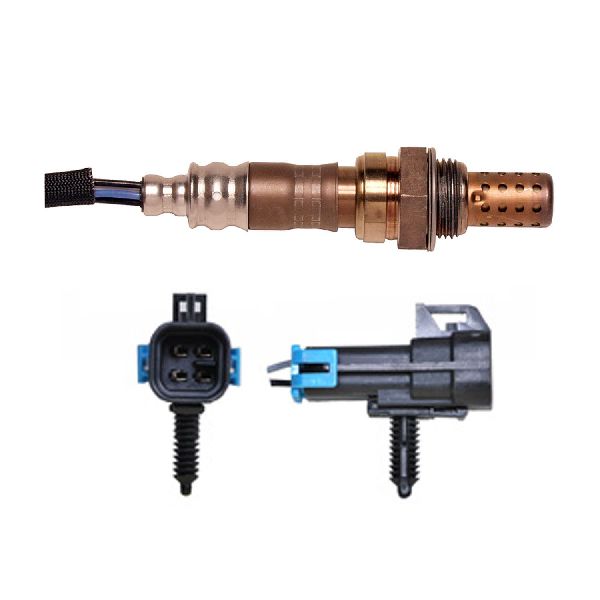
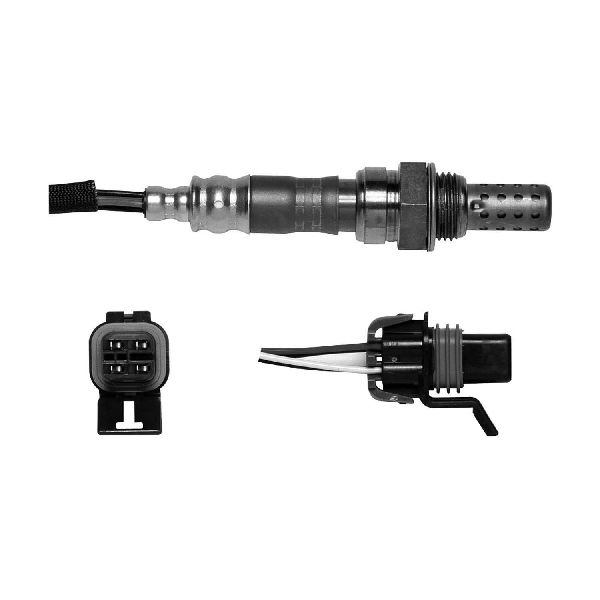
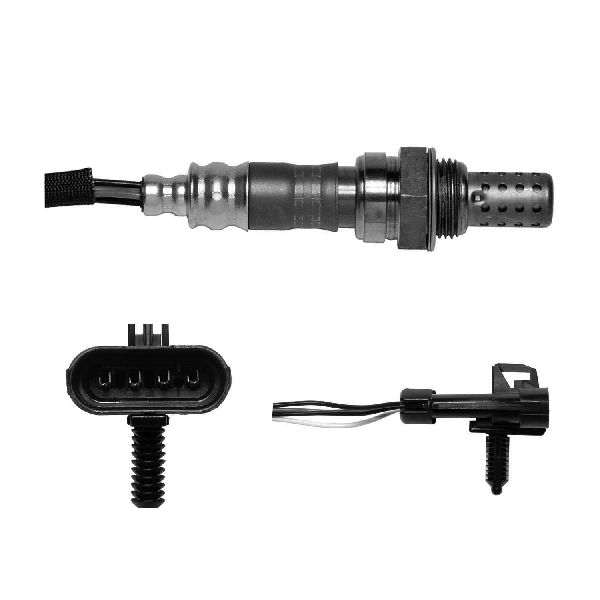
You don't need to buy an expensive OEM part from the dealer. Many aftermarket brands offer quality, direct-fit sensors that perform just as well. When choosing, it's important to select a 'direct-fit' model with the correct connector to avoid cutting or splicing wires.
Aftermarket Brand Tiers
| Tier | Brands | Notes |
|---|---|---|
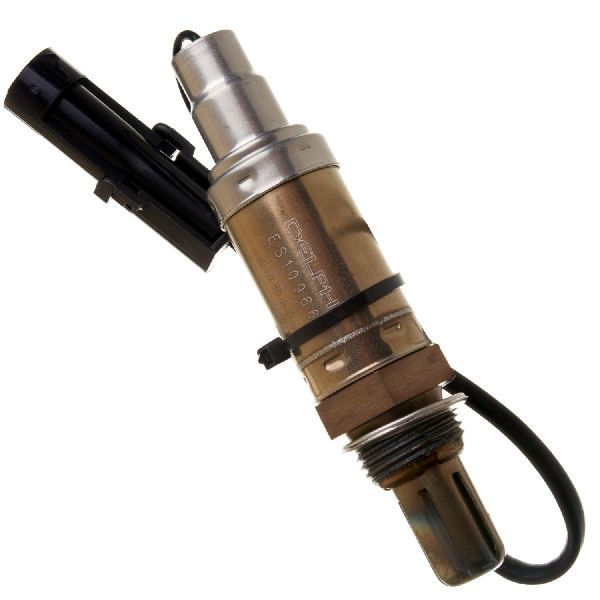
| Premium / OEM-Equivalent | Bosch, Denso, Delphi, NGK (NTK) | These brands are often the original equipment manufacturers for GM. They are known for their reliability, correct fit, and long life. Denso sensors are noted for their durable stainless steel housing and protective covers. Bosch and NTK are also highly regarded choices. |
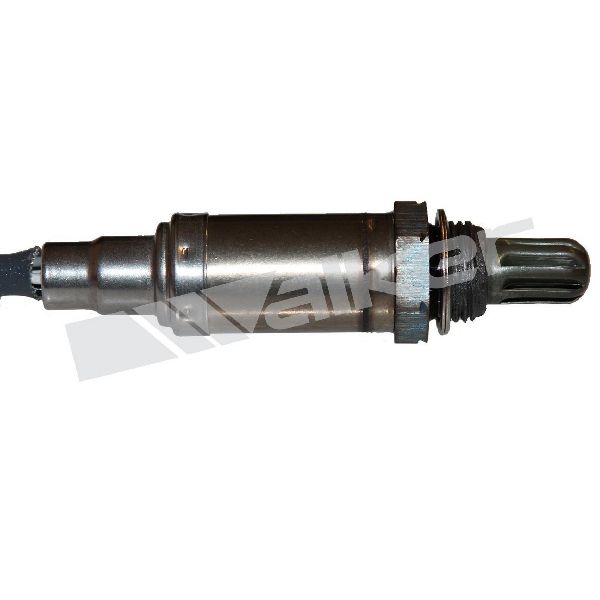
| Quality Mid-Range | Walker Products, Spectra | These brands provide a good balance of quality and price. They are generally reliable and offer direct-fit applications for the Trans Sport. |
| Economy | DriveWire and other store brands | These are the most budget-friendly options. While they can work, their long-term durability and consistency may not match the premium brands. They are a viable choice for a quick, low-cost repair. |
Pro Tip: Upstream vs. Downstream Sensors
For 1996-1999 models, make sure you order the correct sensor. The 'upstream' (Bank 1, Sensor 1) sensor measures the exhaust gases coming directly from the engine. The 'downstream' (Bank 1, Sensor 2) sensor monitors the efficiency of the catalytic converter. They are often different parts and are not interchangeable. Pre-1996 models typically only have one upstream sensor.
Known Issues for 1990-1999 Pontiac Trans Sport
No specific recalls or Technical Service Bulletins (TSBs) were found for oxygen sensor failures on the 1990-1999 Pontiac Trans Sport. However, like any vehicle of this age, sensors can fail due to heat, corrosion, and contamination from engine oil or coolant. A common issue during replacement is the sensor being seized in the exhaust pipe due to rust. Using a penetrating oil beforehand and the correct O2 sensor socket is highly recommended.
Frequently Asked Questions (FAQ)
How many oxygen sensors does my Trans Sport have?
It depends on the year. Models from 1990-1995 (OBD-I) typically have only one oxygen sensor, located upstream before the catalytic converter. Models from 1996-1999 (OBD-II) usually have two: one upstream and one downstream (after the catalytic converter).
Do I need a special tool to replace the oxygen sensor?
Yes, it is highly recommended. An O2 sensor socket is a special tool with a slot down the side for the wire to pass through. This allows you to get a good grip on the sensor body. Using a standard wrench can be difficult and may damage the sensor or your knuckles.
Can I clean my old oxygen sensor?
While some people attempt to clean O2 sensors, it is generally not a reliable or long-term solution. The sensing elements can become contaminated internally, which cleaning cannot fix. Given the reasonable cost of a new aftermarket sensor, replacement is the best option for a lasting repair.
Should I use anti-seize on the new sensor?
Yes. Most new oxygen sensors come with anti-seize compound either pre-applied to the threads or in a small packet. This prevents the new sensor from getting stuck in the exhaust pipe, making future replacement much easier. Be careful not to get any anti-seize on the tip of the sensor itself.
Technical Specifications
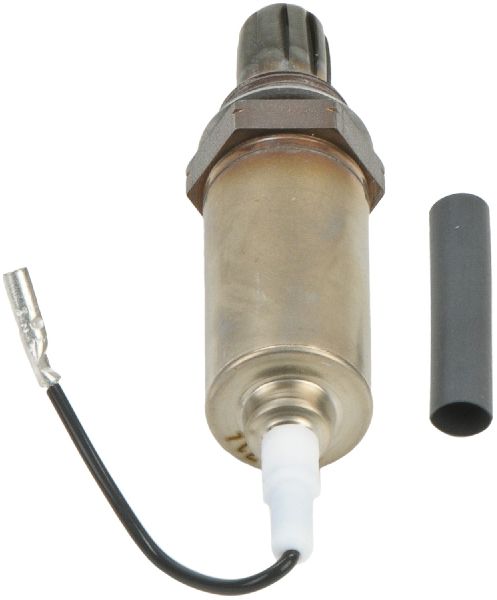
Varies by engine (3.1L, 3.4L, 3.8L V6) and year. Pre-1996 models are typically 1-wire or 3-wire unheated/heated sensors. 1996 and newer models use 4-wire heated oxygen sensors (HO2S). Always confirm the part number for your specific vehicle configuration.
We Have This Part in Stock

The information in this article is provided for general reference and educational purposes only. Vehicle specifications, procedures, and part compatibility can vary by production date, trim level, and region. Always consult your vehicle's factory service manual and verify part numbers before purchasing or performing repairs. Safety-critical components such as airbags, seat belts, and braking systems should be installed by a qualified professional.
- Pontiac Trans Sport: