

Choosing the Right Disc Brake Pads for Your 1990-1999 Subaru Legacy
Get the stopping power and quiet operation you expect from your first or second-generation Legacy.
- Verify your Legacy's exact year and trim (e.g., L, GT, Outback) before ordering, as brake sizes differ.
- For quiet, low-dust daily driving, choose a premium ceramic pad from brands like Akebono, Advics, or Bosch.
- Performance pads from Hawk or EBC offer more stopping power but will create more dust and may be noisier.
- Always replace rotors with pads for the best performance and to avoid noise and vibration issues.
Symptoms of Worn Brake Pads
Your Legacy will usually tell you when its brake pads are getting low. Ignoring these signs can lead to more expensive repairs, like needing to replace rotors. Listen and feel for these common symptoms:
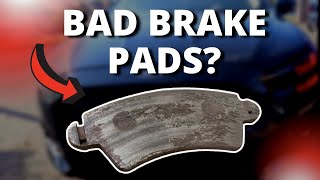
🎬 Watch: See and hear these common bad brake pad symptoms.- High-Pitched Squealing: Most brake pads have a small metal tab called a wear indicator. When the pad material wears down, this tab scrapes against the rotor, creating a squeal. This is your first warning.
- Grinding Noises: If you hear a harsh grinding sound, it means the pad material is completely gone. The metal backing plate of the pad is now grinding against the rotor, causing significant damage. This is a critical safety issue.
- Spongy or Soft Brake Pedal: If the brake pedal feels less responsive or goes further to the floor, it could be a sign of worn pads or other brake system issues.
- Pulling to One Side: If your car pulls to the left or right when you brake, it can indicate that the pads are wearing unevenly.
Critical Warning
If you hear a grinding noise, stop driving the vehicle as soon as it is safe to do so. Continued driving can cause brake failure and will damage your brake rotors, leading to a much more expensive repair.
Choosing the Right Aftermarket Pads for Your Legacy
The original brake pads on your 1990-1999 Legacy were good for their time, but modern aftermarket pads offer significant advantages in performance, noise, and dust control. Many owners find that premium aftermarket brands provide better overall value and performance than dealer-sourced parts. Here’s how to choose based on your needs.
Tier 1: OEM-Equivalent & Daily Driver Pads
These pads are for the owner who wants quiet, reliable stopping power with low dust, similar to or better than the original factory pads. They are perfect for daily commuting and general use.
- Akebono: Often an original equipment manufacturer (OEM) for Subaru and other Japanese brands. Their ProACT ceramic pads are highly regarded for being extremely quiet, producing very little dust, and offering a smooth, consistent pedal feel.
- Advics: Another OEM supplier to Subaru, known for excellent quality and engineering that matches the factory parts perfectly.
- Centric Posi-Quiet / 100 Series: A popular choice offering a great balance of performance and value. They are known for quiet operation and come with factory-style shims to reduce noise.
- Bosch QuietCast: These pads use a rubber-core shim, similar to OEM designs, to provide excellent noise suppression. They are a solid choice for a daily driven Legacy.
Pro Tip: Ceramic vs. Semi-Metallic
For most Legacy owners, Ceramic pads are the best choice for daily driving. They are quiet, low-dust, and easy on your rotors. Semi-Metallic pads can offer slightly better performance in extreme cold and are often cheaper, but they are typically noisier and produce more black dust.
Tier 2: Performance & Enthusiast Pads
For the Legacy owner who enjoys spirited driving or wants a more aggressive initial bite from their brakes. These pads provide increased stopping power, but often at the cost of more dust and potential for noise.
- Hawk Performance HPS (High Performance Street): A legendary street performance pad that offers a significant increase in stopping power (20-40% over stock) and fade resistance. Expect more dust than a ceramic pad.
- EBC Brakes (Greenstuff, Redstuff, Yellowstuff): EBC offers a range of compounds. Greenstuff is a good first step up from stock. Redstuff is a ceramic performance pad with lower dust. Yellowstuff is a more aggressive street/track pad that requires some heat to work best.
- StopTech Sport (formerly Street Performance): A well-regarded performance pad that provides a strong bite and good fade resistance, making it a popular choice for autocross or spirited driving.
Tier 3: Economy / Budget Pads
If you just need to get your Legacy back on the road safely and your budget is the primary concern, these pads will do the job. Be aware that they may not last as long or be as quiet as premium options.
- PowerStop Z16/Z17 Evolution: A popular budget-friendly ceramic option that includes hardware, making for an easy replacement.
- Dynamic Friction, Pronto, Raybestos Element3: These brands offer functional, safe pads at a very low price point. They meet safety standards but may compromise on noise, dust, and longevity.
Common Ordering Mistakes & Generation Notes
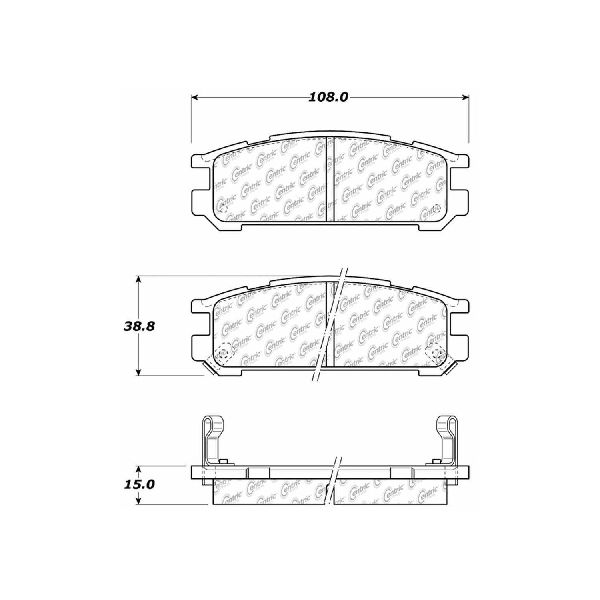
The 1990-1999 Legacy spans two generations (First: 1990-1994, Second: 1995-1999). Brake components are not always the same across these years or even between trim levels (L, LS, GT, Outback). The most common mistake is ordering the wrong pads for your specific car. Always verify the part fits your exact year, model, and trim level before purchasing. Front and rear pads are different and sold separately. Some higher-performance models like the Legacy Turbo or GT may have larger brakes than a base model.
Cost of New Aftermarket Brake Pads (1990-1999 Subaru Legacy)
| Pad Type | Part Cost (Per Axle) | Typical Brands |
|---|---|---|
| Economy | $15 - $40 | Dynamic Friction, Pronto, Powerstop Z16 |
| Daily Driver / OEM-Equivalent | $40 - $85 | Akebono, Bosch, Centric Posi-Quiet, Advics |
| Performance Street | $85 - $210+ | Hawk Performance, EBC Brakes, StopTech |
Frequently Asked Questions
Do I need to replace my rotors at the same time?
It is highly recommended. Installing new pads on old, worn rotors can cause noise, vibration, and reduced pad life. If your rotors have a significant 'lip' on the edge, visible grooves, or cause a pulsation in the pedal when braking, they must be replaced. For best results, always install new pads and rotors together.
What is 'bedding in' new brakes?
Bedding-in is a process of controlled stops used to transfer an even layer of friction material from the new pads onto the rotors. This prevents vibration and dramatically improves braking performance and pad life. Follow the manufacturer's specific procedure included with your new pads. A typical process involves several moderate stops from around 40-50 mph without coming to a complete stop, followed by a cool-down period.
Why are my new brakes squeaking?
New brake squeak is often caused by high-frequency vibrations. Ensure that all hardware (clips and shims) was replaced, and that brake grease was applied correctly to the caliper slide pins and the contact points on the back of the brake pads. Some performance pads also have a tendency to squeak at low speeds; this is often considered normal.
Is it hard to change brake pads on a 90s Legacy?
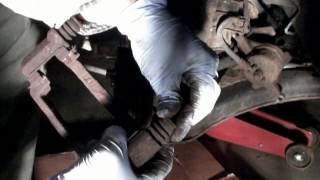
Replacing brake pads and rotors on a 1990-1999 Legacy is a straightforward job for a DIY mechanic with basic tools. The design uses a simple floating caliper that is easy to work on. 🎬 Watch: A helpful guide on how to replace Subaru brakes. You will need a jack, jack stands, a socket set, a C-clamp to compress the caliper piston, and a torque wrench. Always prioritize safety by using jack stands and chocking the wheels.
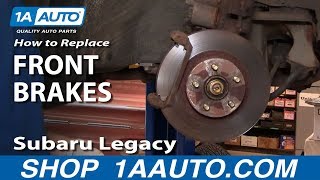
🎬 See this walkthrough for replacing front brakes on your Legacy.Helpful Videos
Technical Specifications
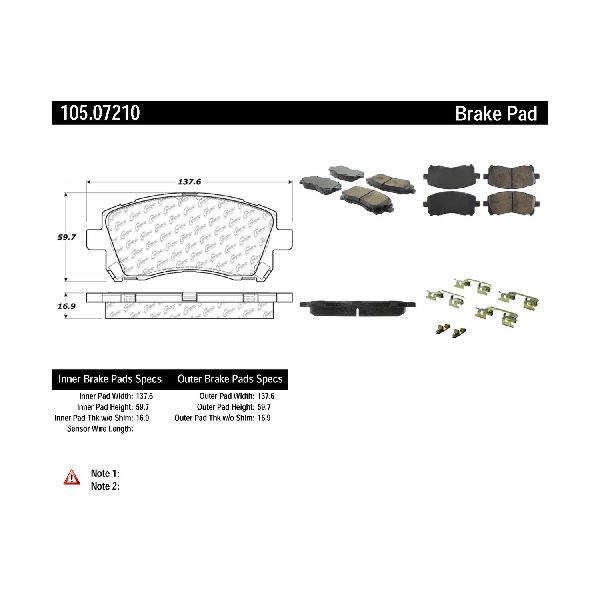
Fitment varies significantly between the 1st Gen (1990-1994) and 2nd Gen (1995-1999) Legacy, and also by trim level (base, L, LS, GT, Outback, Turbo). Front and rear pads are different. Most models use a single-piston floating caliper design. Always use a vehicle-specific lookup tool to confirm the correct part numbers.
We Have This Part in Stock
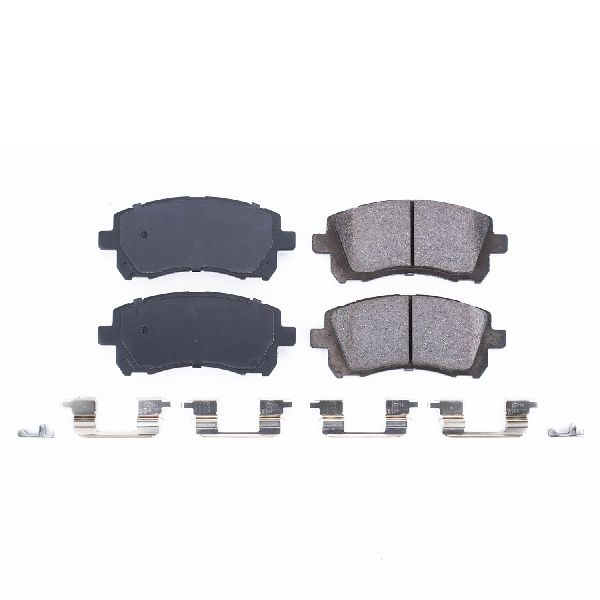
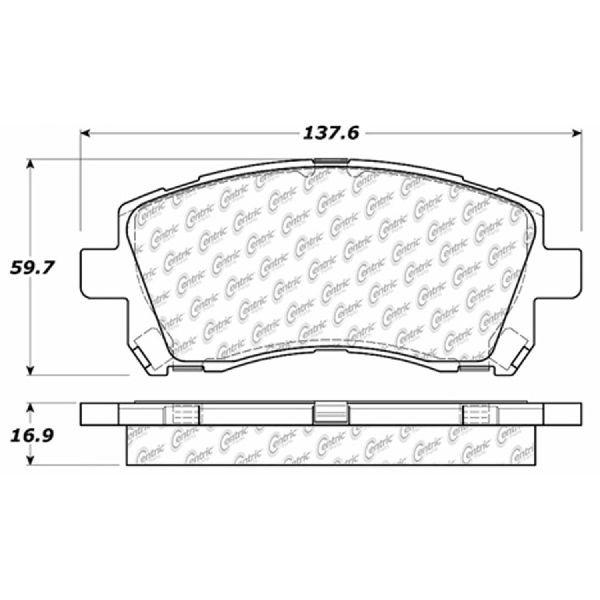
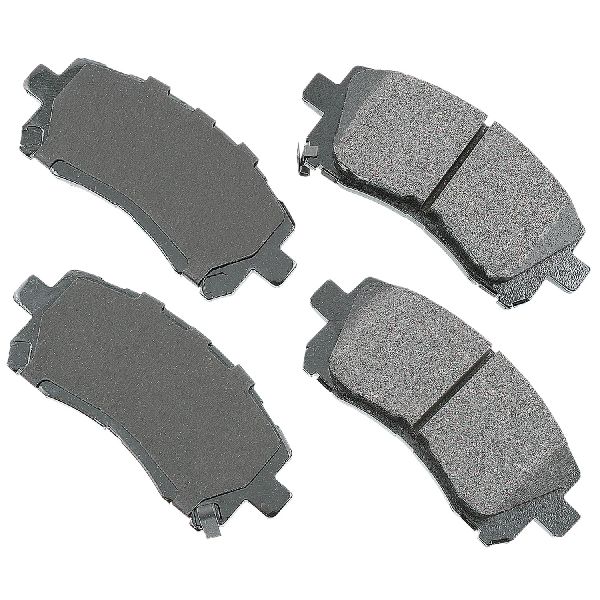
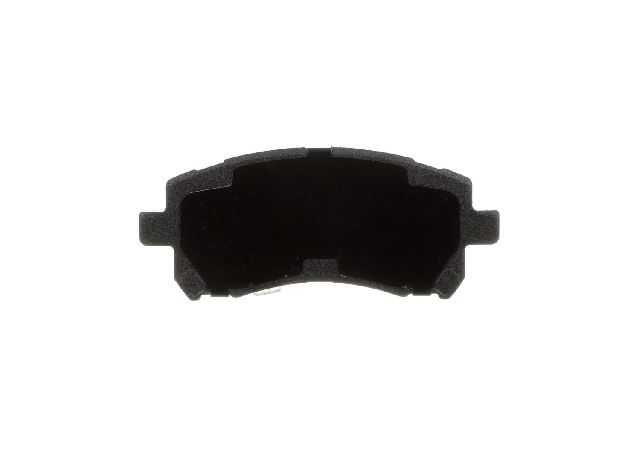

The information in this article is provided for general reference and educational purposes only. Vehicle specifications, procedures, and part compatibility can vary by production date, trim level, and region. Always consult your vehicle's factory service manual and verify part numbers before purchasing or performing repairs. Safety-critical components such as airbags, seat belts, and braking systems should be installed by a qualified professional.
- Subaru Legacy:
- 🎬 Helpful Videos
- 🛍️ Shop This Part
- Symptoms of Worn Brake Pads
- Critical Warning
- Choosing the Right Aftermarket Pads for Your Legacy
- Tier 1: OEM-Equivalent & Daily Driver Pads
- Pro Tip: Ceramic vs. Semi-Metallic
- Tier 2: Performance & Enthusiast Pads
- Tier 3: Economy / Budget Pads
- Common Ordering Mistakes & Generation Notes
- Cost of New Aftermarket Brake Pads (1990-1999 Subaru Legacy)
- Frequently Asked Questions
- 🎟️ Get 5% Off