

A Guide to Replacing Disc Brake Pads on Your 1990-2000 BMW 530i
Choose the right brake pads to maintain your BMW's signature stopping power and feel.
- First, confirm if your 530i is an E34 (1992-95) or E39 (2000) model before buying, as they use different pads.
- If the brake warning light is on, you must also buy and replace the brake pad wear sensor.
- For factory performance with less dust, Akebono Euro ceramic pads are highly recommended by other BMW owners.
- For a true OEM feel, choose aftermarket brands like Textar, Pagid, or ATE, but expect significant brake dust.
E34 or E39? Know Your 530i Generation
Before buying brake pads for a 1990-2000 BMW 530i, you must know your car's generation. This is the most common mistake owners make. The parts are different for each.
- E34 530i: If your 530i was made between 1992 and 1995, you have an E34 with a V8 engine.
- E39 530i: If your 530i was made in 2000, it is an E39 model with an inline-6 engine, which was part of the 1995-2003 model run.
Always confirm your vehicle's model year and generation before ordering parts. They do not use the same brake pads.
Symptoms of Worn Brake Pads
Your BMW will tell you when it's time for new pads. Look for these signs:
- Brake Warning Light: Your 530i has brake pad wear sensors. When the pads wear down, a light will appear on your dashboard. This is the most direct sign you need new pads and sensors.
- Squealing or Grinding: High-pitched squealing when you brake usually means the pads are low. A loud grinding noise is more serious and means the metal backing plate is hitting the rotor, which can cause more damage.
- Reduced Stopping Power: If you notice it takes longer to stop, your pads are likely worn out and can't create enough friction.
- Vibration: A pulsing or vibrating feeling in the brake pedal often points to warped brake rotors, but it's a sign that your whole brake system needs to be inspected.
The Brake Pad Wear Sensor is a One-Time-Use Part
Your 530i has a brake pad wear sensor on the front left and rear right wheel. If your brake warning light is on, the sensor has been tripped and must be replaced along with the pads. It's a good idea to replace them even if the light isn't on, as they are fragile and often break during a brake job.
Choosing the Right Aftermarket Brake Pads
You don't have to buy parts from the dealer to get great performance. Many aftermarket brands are the same companies that make the parts for BMW.
OEM-Equivalent Brands
These brands provide the same performance, feel, and quality as the original parts that came on your car. They are made by Original Equipment (OE) suppliers. The main downside is that, like the factory pads, they tend to produce a lot of brake dust.
- Textar, Pagid, ATE, Jurid: These are all well-known OEM suppliers for BMW. Choosing any of these is like getting a dealer part without the dealer price tag. They will give you that factory brake feel.
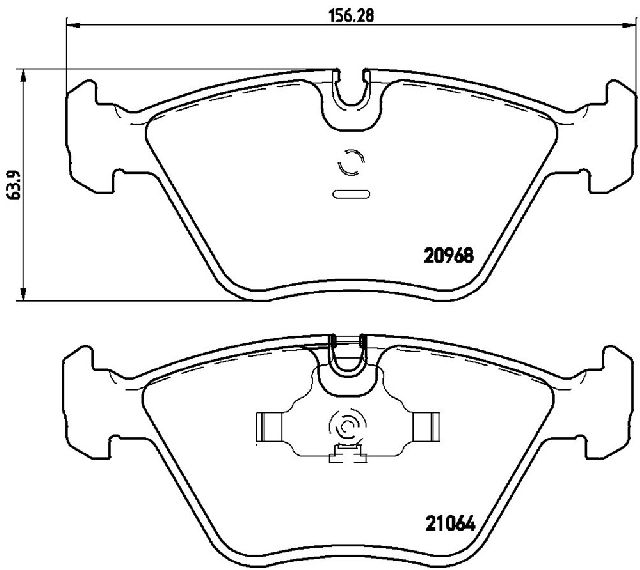
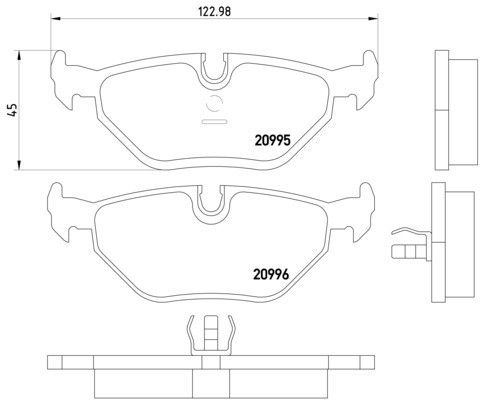
- Brembo: Known for high-performance braking systems, their standard replacement pads are a high-quality choice that meets or exceeds OEM standards.
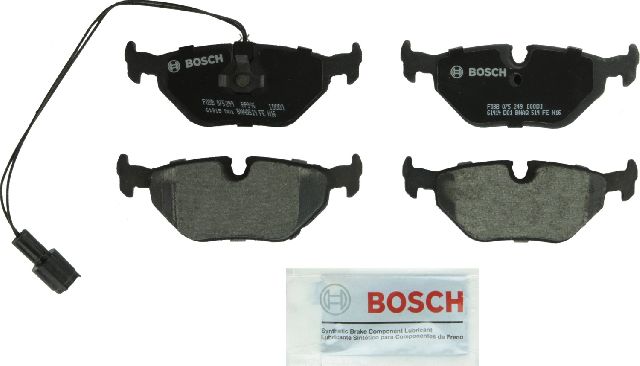
- Bosch: The Bosch QuietCast line is a popular and reliable option for a daily driver, focusing on quiet operation and solid, dependable performance.
Low-Dust Ceramic Brands
If you are tired of constantly cleaning brake dust off your wheels, ceramic pads are the answer. They offer quiet, clean operation with good stopping power.
- Akebono EURO Ceramic: This is the most recommended brand by BMW owners for reducing brake dust. They provide stopping power similar to stock but with a slightly less aggressive initial "bite."
What's More Important: Low Dust or Initial Bite?
OEM-style pads from brands like Textar and Pagid grab hard as soon as you touch the pedal but make wheels dirty fast. Ceramic pads like Akebono keep wheels clean but might feel slightly less aggressive on the first touch, though they provide excellent stopping power when you press harder. For most daily driving, owners are very happy with the clean wheels from ceramic pads.
Performance & Street Upgrade Brands
For drivers who want more stopping power and better resistance to brake fade during spirited driving.
- Hawk Performance (HPS, HPS 5.0): A very popular upgrade. Hawk HPS pads offer 20-40% more stopping power than stock pads and resist fade better at high temperatures. They often produce less dust than factory BMW pads but more than ceramic pads.
- EBC Brakes (Redstuff, Yellowstuff): EBC offers different compounds. Redstuff is a low-dust ceramic performance pad, while Yellowstuff is more aggressive for street and occasional track use.
- StopTech: A well-respected brand in the performance market, offering street performance pads that are a solid step up from stock for enthusiastic drivers.
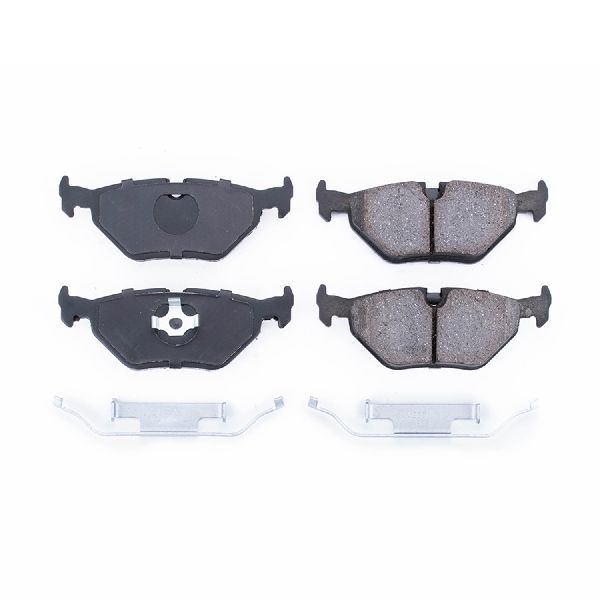
- Powerstop: Often sold as complete kits with rotors, Powerstop pads are a popular, affordable upgrade. They typically use carbon-fiber ceramic compounds to reduce dust and noise while improving performance over stock.
How Much Do New Brake Pads Cost for a 1990-2000 BMW 530i?
The cost will depend on the brand you choose and who does the work.
| Part/Service | Estimated Cost (Per Axle) |
|---|---|
| New Aftermarket Brake Pad Set | $22 - $278 |
| New OEM Brake Pad Set (Dealer) | $130 - $250 |
| Independent Shop Labor | $150 - $300 |
| Total (Aftermarket Parts, Indy Shop) | $172 - $578 |
Frequently Asked Questions
Do I need to replace my rotors with my brake pads?
It is highly recommended. Installing new pads on old, worn rotors can cause noise, vibration, and uneven pad wear. For best performance and safety, you should replace pads and rotors at the same time.
What is the difference between semi-metallic and ceramic pads?
Semi-metallic pads (like most OEM BMW pads) use metal fibers, which provide a strong initial bite and good heat transfer, but they are noisy and create a lot of dark dust. Ceramic pads use dense ceramic material with copper fibers. They are much quieter, produce a lighter-colored, fine dust that doesn't stick to wheels, and are gentle on rotors.
What does "bedding in" new brakes mean?
Bedding-in is a process of heating up your new pads and rotors to transfer an even layer of friction material to the rotor surface. This ensures smooth, quiet, and powerful braking. Most manufacturers provide specific instructions, but it usually involves a series of controlled stops from moderate speeds without coming to a complete stop.
Are there any recalls on the brake pads for my 530i?
No. Searches of the NHTSA database did not find any brake pad-specific recalls for the 1990-2000 BMW 530i. Recalls found were for newer models or different components on older models.
Technical Specifications
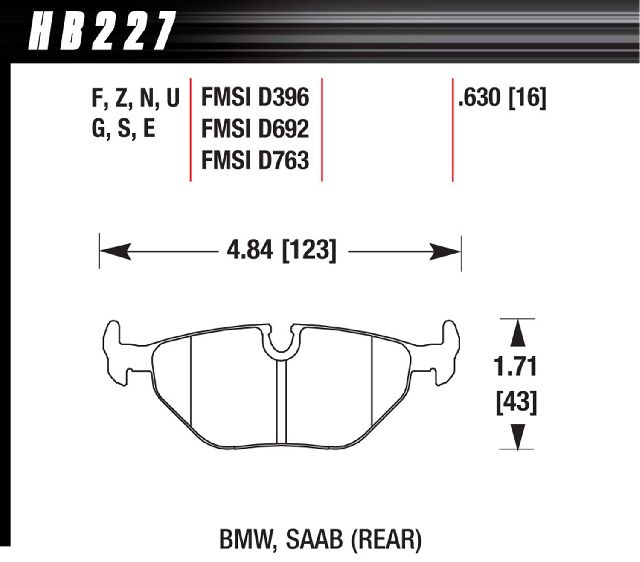
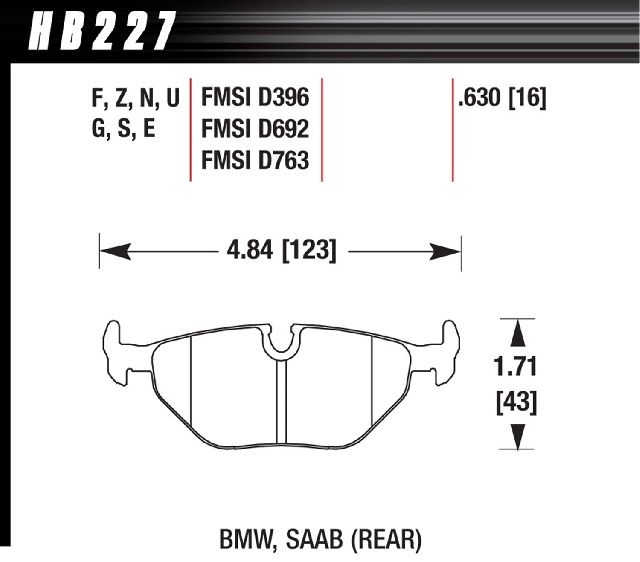
OEM Part Numbers: 34116761252 (E39 Front) 34216761281 (E39 Rear) 34111162535 (E34 Front) 34211162446 (E34 Rear)
Fitment varies significantly between E34 and E39 generations. Always verify part numbers with your vehicle's VIN. Systems use one front and one rear brake pad wear sensor.
We Have This Part in Stock

The information in this article is provided for general reference and educational purposes only. Vehicle specifications, procedures, and part compatibility can vary by production date, trim level, and region. Always consult your vehicle's factory service manual and verify part numbers before purchasing or performing repairs. Safety-critical components such as airbags, seat belts, and braking systems should be installed by a qualified professional.
- BMW 530i:
- 🛍️ Shop This Part
- E34 or E39? Know Your 530i Generation
- Symptoms of Worn Brake Pads
- The Brake Pad Wear Sensor is a One-Time-Use Part
- Choosing the Right Aftermarket Brake Pads
- OEM-Equivalent Brands
- Low-Dust Ceramic Brands
- What's More Important: Low Dust or Initial Bite?
- Performance & Street Upgrade Brands
- How Much Do New Brake Pads Cost for a 1990-2000 BMW 530i?
- Frequently Asked Questions
- 🎟️ Get 5% Off