

Dodge Caravan Engine Mount Replacement Guide (1990-2000)
Stop the shaking, clunking, and rough ride in your Caravan by choosing the right engine mount.
- The most common signs of failure are heavy vibration at idle and a loud clunk when shifting gears.
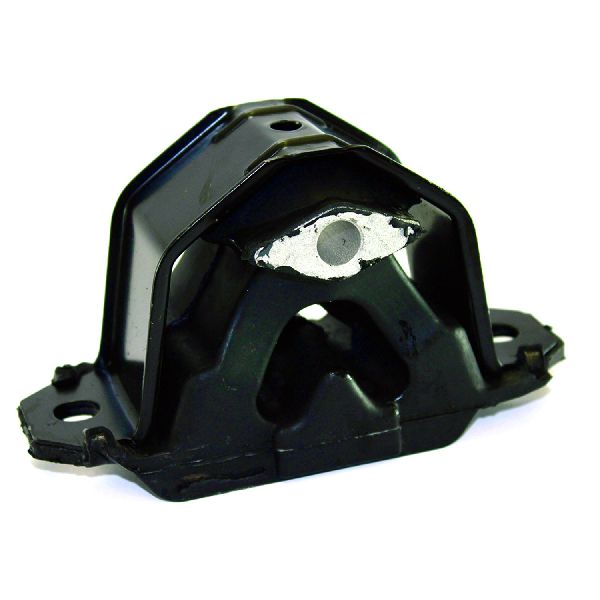
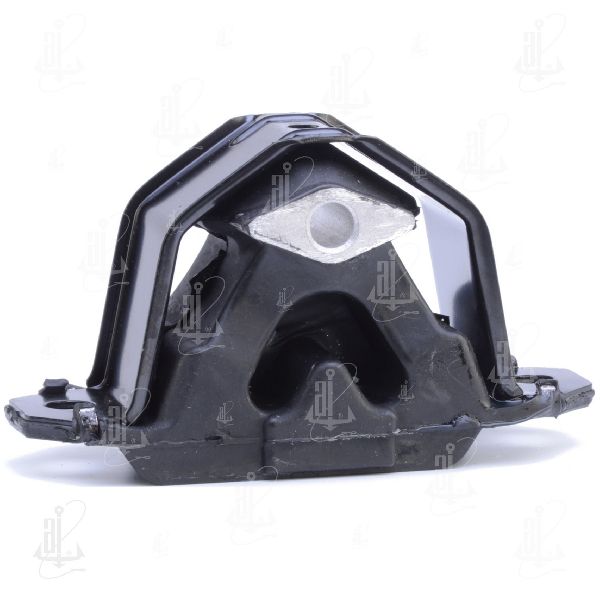
- Aftermarket mounts from brands like Anchor and DEA are much cheaper but may increase vibration and not last as long as OEM Mopar parts.
- Your Caravan has multiple mounts; if one is broken, the others are likely worn and should be inspected or replaced as a set.
- Replacing the front mount is a very manageable DIY job with basic tools and a jack to support the engine.
Is Your Caravan's Engine Mount Failing? Common Symptoms
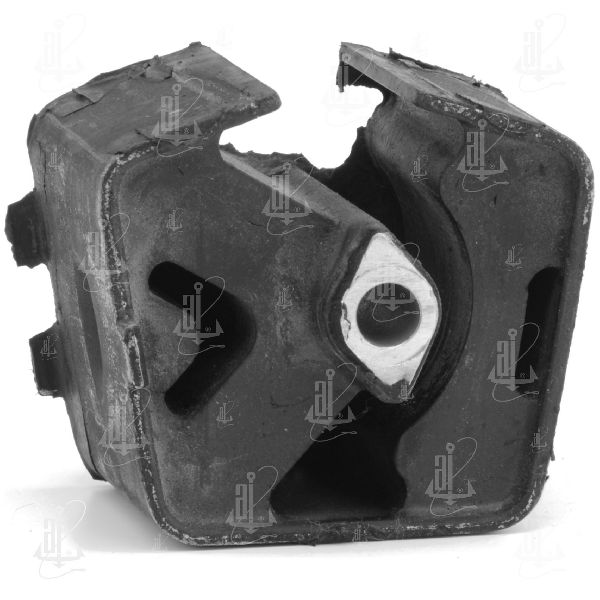
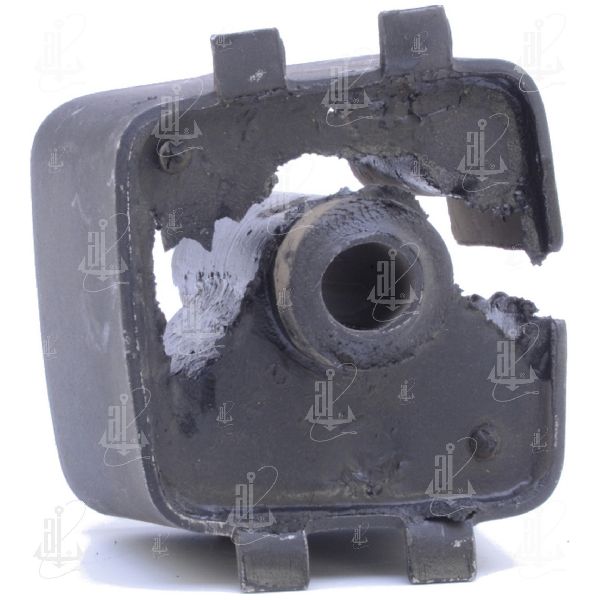
Worn engine mounts on a 1990-2000 Dodge Caravan will cause very noticeable problems. The rubber inside the mount cracks, gets soaked with oil, or collapses over time, leaving the heavy engine unsupported. Look for these classic signs:
- Excessive Vibration: This is the most common symptom. You will feel a strong vibration through the steering wheel, floor, and seats. It's usually worst when the van is stopped at a light with the transmission in 'Drive'.
- Clunking or Thumping Noises: A loud "clunk" or "thud" from the engine area when you shift from Park to Drive or Reverse is a clear sign of a bad mount. You might also hear it when you accelerate or decelerate. This is the sound of the entire engine assembly moving and hitting other parts because the mount can no longer hold it securely.
- Visible Engine Movement: You can often see a bad engine mount in action. Have a friend help you. With the parking brake on and their foot pressed hard on the brake pedal, have them shift the van from Drive to Reverse. Watch the engine. If it lurches or rocks more than an inch or two, a mount has failed.
Choosing the Right Replacement Mount: OEM vs. Aftermarket
For a vehicle of this age, you have a choice between Original Equipment (OEM) Mopar parts and many aftermarket brands. The price difference can be large, but so can the quality.
| Brand Tier | Brands | Quality & Performance Notes |
|---|---|---|
| OEM Quality | Mopar (OEM) | Provides the best performance for ride quality and longevity. Many original mounts were hydraulic (fluid-filled) for superior vibration damping. If you plan to keep your van long-term, OEM is often the best investment to avoid doing the job twice. |
| Economy Aftermarket | Anchor, DEA, Westar, Pioneer | These brands offer a significant cost saving. However, many owners report that these mounts are made from solid, harder rubber and may transmit more vibration into the cabin than the original hydraulic mounts. Their lifespan is often shorter than OEM parts. They are a budget-friendly choice, but be prepared for a potential compromise in smoothness and durability. |
Pro Tip: Your Caravan has several mounts holding the engine and transmission in place. If one has failed, the others are the same age and have been under extra stress. It is highly recommended to inspect all mounts and replace them as a set for the best and longest-lasting repair.
Frequently Asked Questions (FAQ)
How many engine mounts does my 1990-2000 Caravan have?
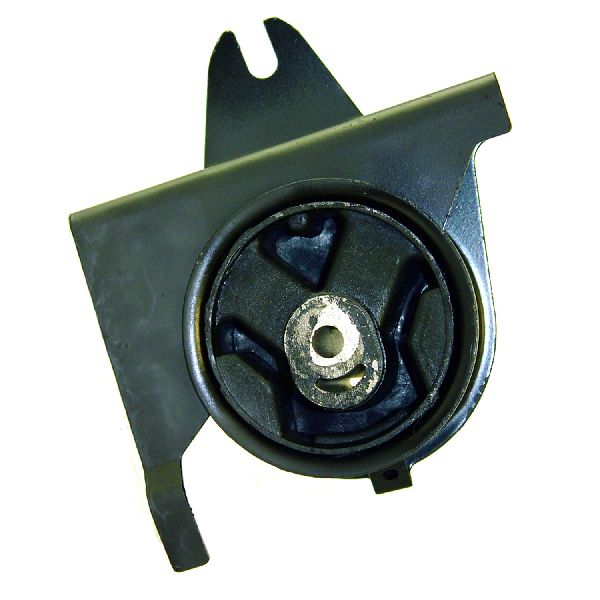
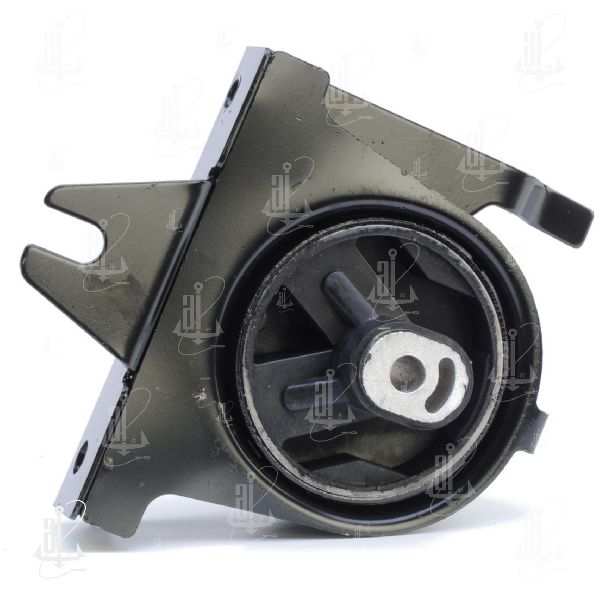
Most models have three or four main mounts securing the engine and transaxle assembly. This typically includes a front mount, a rear transaxle mount, and one or two side mounts. It's important to identify which one has failed, but replacing them all on a high-mileage vehicle is a good idea.
Can I replace just one bad mount?
Yes, you can replace only the one that has clearly failed. However, keep in mind that a single broken mount puts a lot of extra strain on the remaining mounts. Since they are all the same age, the others are likely weak and may fail soon after. Replacing them in a set is the recommended practice.
What's the difference between a hydraulic and a solid rubber mount?
Original factory mounts are often hydraulic, meaning they are filled with fluid to do a better job of absorbing small vibrations. Many less expensive aftermarket mounts are made of solid rubber. While solid mounts can be durable, they often make the car vibrate more, especially at idle.
How can I tell which specific mount is bad?
You can often tell by watching the engine while a helper shifts the van from Drive to Reverse (with brakes applied). The engine will lift or move most in the direction of the broken mount. For example, if the engine lifts up excessively at the front, the front mount is likely bad. A mechanic can also inspect them on a lift for cracks or collapsed rubber.
No Recalls or TSBs Found: Our search of the NHTSA database and other technical resources found no specific recalls or Technical Service Bulletins (TSBs) for engine mount failure on the 1990-2000 Dodge Caravan. Failures are typically due to age and wear.
Technical Specifications
Number of mounts varies by engine and drivetrain (FWD/AWD). Typically includes a front mount, a rear mount, and a passenger-side mount. Some original mounts are hydraulic (fluid-filled).
We Have This Part in Stock

The information in this article is provided for general reference and educational purposes only. Vehicle specifications, procedures, and part compatibility can vary by production date, trim level, and region. Always consult your vehicle's factory service manual and verify part numbers before purchasing or performing repairs. Safety-critical components such as airbags, seat belts, and braking systems should be installed by a qualified professional.
- Dodge Caravan: