

A Practical Guide to the 1990-2000 GMC C3500 Manual Transmission Mount
Stop the clunking and shaking in your workhorse truck by choosing the right replacement transmission mount.
- Loud clunking when shifting is the most definitive symptom of a failed mount.
- For longevity, choose a premium aftermarket brand like Pioneer over economy options, which have a reputation for premature failure.
- Replacement is a straightforward DIY job that can be completed in under two hours with basic tools.
- There are no specific recalls or TSBs for this part on the 1990-2000 GMC C3500.
Is Your Transmission Mount Failing?
On a heavy-duty truck like the C3500, the transmission mount is a wear item that takes a lot of abuse. When it fails, the rubber cracks or separates, allowing for excessive movement. This leads to symptoms that are hard to ignore.
Common Failure Symptoms
- Clunking or Banging Noises: A loud "clunk" when you accelerate, decelerate, or shift gears is the most common sign. This is the sound of the transmission moving and hitting other components.
- Excessive Vibration: You may feel a new or increased vibration through the floor, seat, or the gear shifter itself, especially at idle or under load.
- Shifter Movement: The gear shift lever may physically jump or move during acceleration or deceleration as the transmission shifts around.
Choosing the Right Aftermarket Mount
For a vehicle of this age, aftermarket parts are the most common and affordable solution. However, quality varies significantly between brands. OEM parts from GM are likely discontinued or very difficult to find new.
Aftermarket Brand Tiers
Based on owner feedback and mechanic reviews, aftermarket mounts for the C3500 fall into a few categories:
- Premium Aftermarket (Recommended): Brands like Pioneer are often cited as being higher quality, with some users stating they are comparable to the original factory mounts in fit and finish. They generally use better rubber compounds that last longer and control vibration effectively.
- Economy Aftermarket: Brands such as Anchor, DEA, Westar, and Skyward are widely available and very affordable. However, forum discussions frequently warn that these mounts may use harder rubber, which can increase cabin vibration, or softer rubber that fails very quickly—sometimes within a year. While the price is tempting, be prepared for a potentially shorter service life compared to premium options.
- Performance (Polyurethane): Companies like Energy Suspension offer polyurethane mounts. These are extremely durable and will outlast any rubber mount. The trade-off is a potential increase in noise and vibration inside the cab, although some users report it is minimal. This is a good option if durability is your absolute priority and you don't mind a slightly less comfortable ride.
Pro Tip: When replacing the transmission mount, it's a good time to inspect your engine mounts as well. If one mount has failed, the others have been subjected to extra stress and may also be worn.
Cost of Replacing Your Transmission Mount
The cost is relatively low, especially if you do the work yourself. The part itself is inexpensive, and labor is straightforward for a professional.
| Item | Estimated Cost |
|---|---|
| New Aftermarket Part | $10 - $65 |
| Shop Labor | $100 - $225 |
| Total Professional Replacement | $110 - $290 |
Frequently Asked Questions (FAQ)
Can I replace the transmission mount myself?
Yes, this is a very DIY-friendly job for someone with basic tools. The process involves supporting the transmission with a jack, unbolting the old mount from the crossmember and transmission, and installing the new one. It typically takes 1-2 hours.
Are there any recalls or TSBs for the C3500 transmission mount?
No. Searches of the National Highway Traffic Safety Administration (NHTSA) database show no recalls or technical service bulletins (TSBs) related to the manual transmission mount for the 1990-2000 GMC C3500.
Should I use a polyurethane mount?
A polyurethane mount is a good choice for heavy-duty use or if you've had repeated failures of standard rubber mounts. It offers superior durability but may transmit more vibration and noise into the cab compared to a high-quality rubber mount.
Do I need to replace my engine mounts at the same time?
You don't have to, but it's highly recommended to inspect them. A failed transmission mount puts extra strain on the engine mounts, and vice-versa. Replacing them all at once ensures the entire drivetrain is properly supported and can prevent premature failure of the new mount.
Technical Specifications
OEM Part Numbers: 15767858
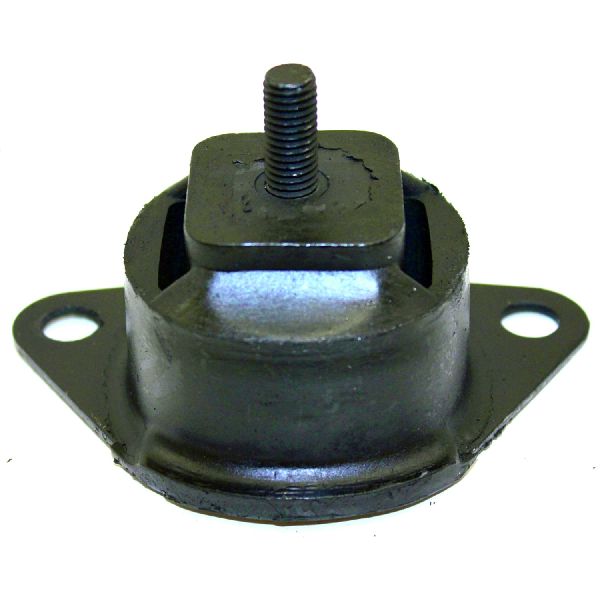
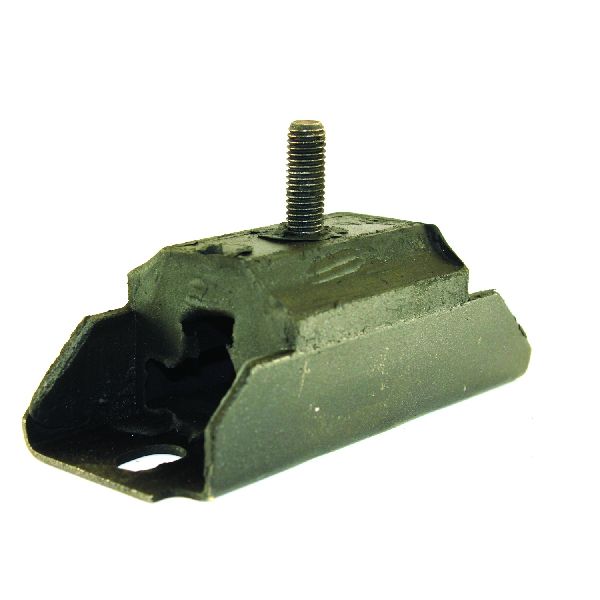
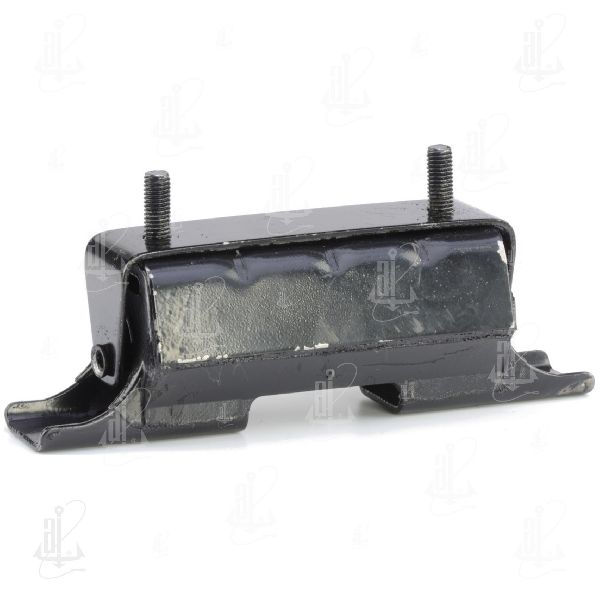
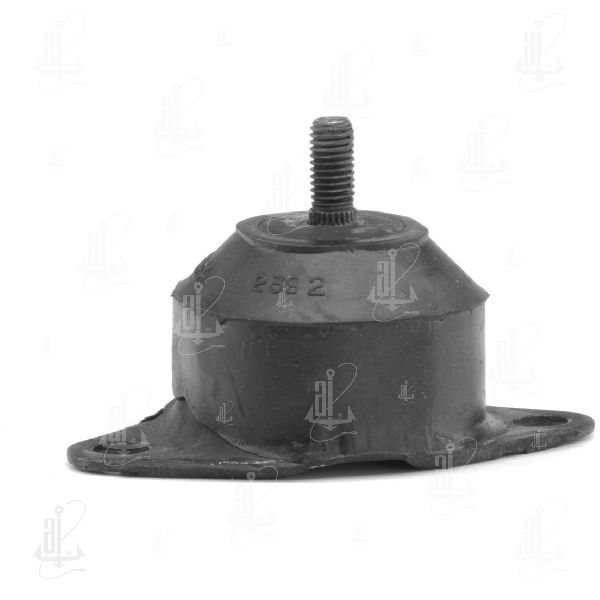
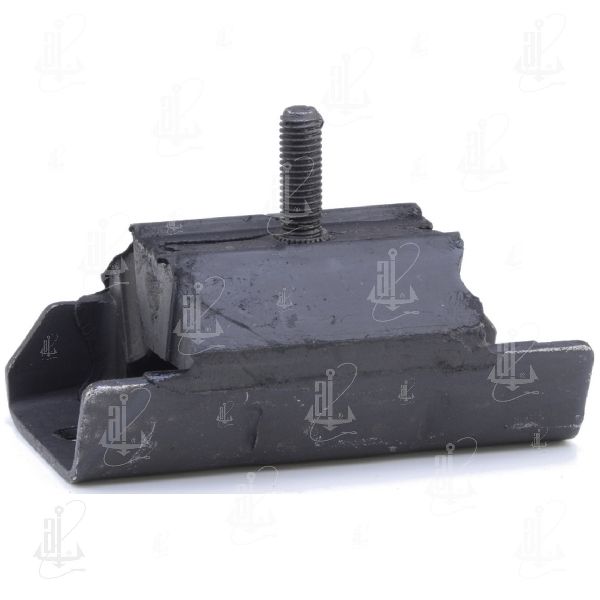
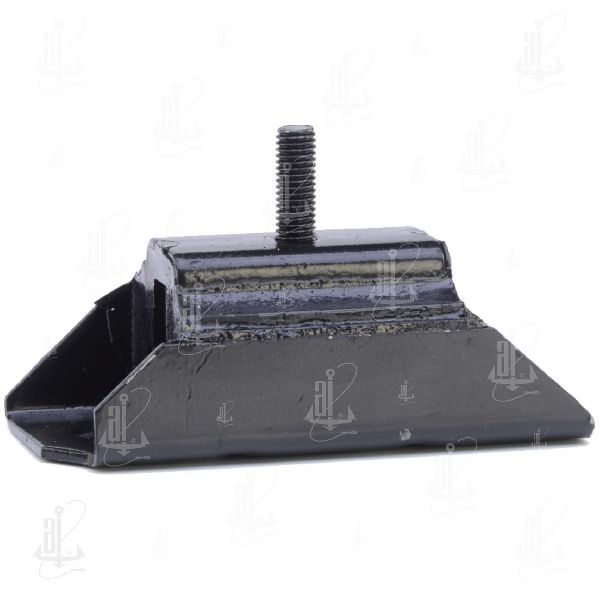
The mount is typically a single-piece design with a steel bracket and a bonded rubber insulator. It uses a two-bolt pattern to attach to the transmission and two studs that go through the crossmember.
We Have This Part in Stock

The information in this article is provided for general reference and educational purposes only. Vehicle specifications, procedures, and part compatibility can vary by production date, trim level, and region. Always consult your vehicle's factory service manual and verify part numbers before purchasing or performing repairs. Safety-critical components such as airbags, seat belts, and braking systems should be installed by a qualified professional.
- GMC C3500: