

Lexus LS400 Ignition Knock Sensor: A Guide for 1990-2000 Models
Understand the critical role of knock sensors on your LS400's 1UZ-FE engine and why part quality is key for this repair.
- The high labor cost of replacing LS400 knock sensors makes using high-quality OEM (Denso) or premium aftermarket (NGK) parts essential to avoid repeat repairs.
- Always replace both knock sensors and the short wire harness in the engine valley at the same time. The harness is a common failure point.
- A failed knock sensor will trigger codes P0325 or P0330 and put the car in a 'limp mode' with significantly reduced power.
- This is an advanced, labor-intensive repair requiring removal of the intake manifold; it is not recommended for beginner DIY mechanics.
Signs of a Failing Knock Sensor on Your LS400
When a knock sensor fails on the 1990-2000 LS400, the engine's computer (ECU) can no longer detect harmful detonation. To protect the engine, it enters a fail-safe or "limp" mode. This results in noticeable symptoms that you shouldn't ignore.
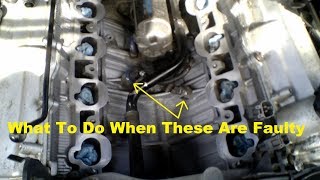
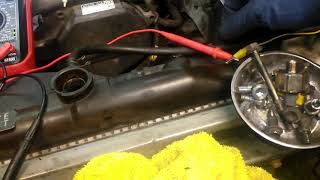
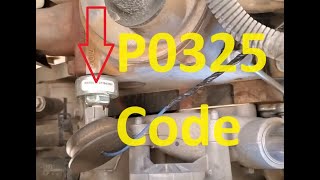
- Check Engine Light: This is the most common sign. Your vehicle will store diagnostic trouble codes (DTCs), typically P0325 (Bank 1) and/or P0330 (Bank 2). 🎬 Watch: A guide to diagnosing these specific trouble codes.
- Reduced Engine Power: In safe mode, the ECU retards ignition timing significantly. This causes sluggish acceleration and a general lack of power.
- Poor Fuel Economy: With the engine running inefficiently due to retarded timing, you'll notice a drop in your gas mileage.
- Engine Pinging or Knocking (Rare): While the sensor's job is to detect knock, a complete failure might, in some cases, allow you to hear a metallic pinging sound, especially under load. This is the sound of detonation that can damage your engine.
A Note on the Wiring Harness
Often, the problem isn't the sensor itself but the wiring harness that connects the two sensors to the main engine harness. This harness lives in the hot engine valley and becomes brittle and fails over time. It is strongly recommended by experienced owners and mechanics to replace this sub-harness whenever you replace the knock sensors. Failure to do so could mean you have to do the entire job over again when the old harness fails.
Choosing the Right Aftermarket Knock Sensor
The knock sensor replacement on the LS400 is a labor-intensive job. The parts are located deep in the engine valley, requiring the removal of the entire intake manifold assembly. Because the labor cost is the most significant part of this repair, choosing a high-quality, reliable part is critical. A cheap, low-quality sensor that fails prematurely will force you to pay for the same expensive labor all over again.
OEM vs. Aftermarket Tiers
- Tier 1 (OEM/Premium): Genuine Lexus/Toyota parts (often made by Denso) are the gold standard for this repair. They are proven to work correctly with the LS400's sensitive ECU. Brands like NGK (NTK) are also considered high-quality OEM suppliers and are a reliable choice. Many Lexus enthusiasts will only use OEM or Denso parts for this specific job.
- Tier 2 (Reputable Aftermarket): Brands like Delphi, Standard Ignition (SMP), and Walker Products have a long history of producing aftermarket parts. While they can be a good value, forum discussions show mixed results. Some owners have had success, while others have experienced premature failures, leading them to do the job twice. If you choose this route, be aware of the risk.
- Tier 3 (Value/Economy): This category includes lesser-known or private-label brands. Given the high labor cost and critical function of this part, using economy-grade sensors on an LS400 is strongly discouraged by the owner community. The risk of early failure and having to repeat the repair is very high.
Pro Tip: While You're In There...
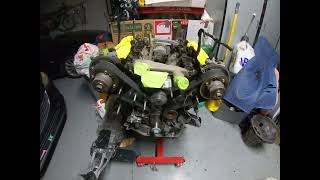
Since you have to remove the intake manifold, this is the perfect time to address other maintenance items in the engine valley. Consider replacing the starter, 🎬 Watch: How to replace the knock sensors and starter together. coolant bypass hoses, and any other brittle vacuum lines or connectors. This preventative maintenance can save you from another major repair down the road.
Frequently Asked Questions
Where are the knock sensors located on a 1990-2000 LS400?
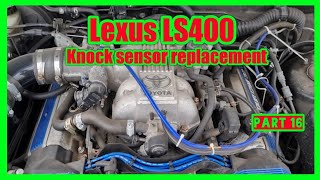
The two knock sensors are located in the engine valley, on the engine block, underneath the intake manifold assembly. 🎬 See this step-by-step knock sensor replacement walkthrough. Accessing them requires removing the upper and lower intake manifolds.
Should I replace both knock sensors at the same time?
Yes. Since the labor to access the sensors is the same, it is highly recommended to replace both sensors and the connecting wire harness at the same time. If one has failed due to age and heat, the other is likely not far behind.
What happens if I ignore a bad knock sensor?
Your car will remain in a "limp mode" with reduced power and poor fuel economy. While the ECU is protecting the engine from immediate damage by retarding the timing, you are not getting the performance or efficiency the car was designed for. Long-term, if the underlying cause is not a faulty sensor but actual engine knock that is no longer being detected, you risk severe engine damage.
Why is the replacement so expensive if the parts are cheap?
The cost comes from the extensive labor required. A technician must spend several hours removing the intake manifold, fuel rails, and various hoses and wires to access the sensors. The reassembly process is just as complex. This is why part quality is so important—you don't want to pay for that labor more than once.
Helpful Videos


Technical Specifications
OEM Part Numbers: 89615-50010
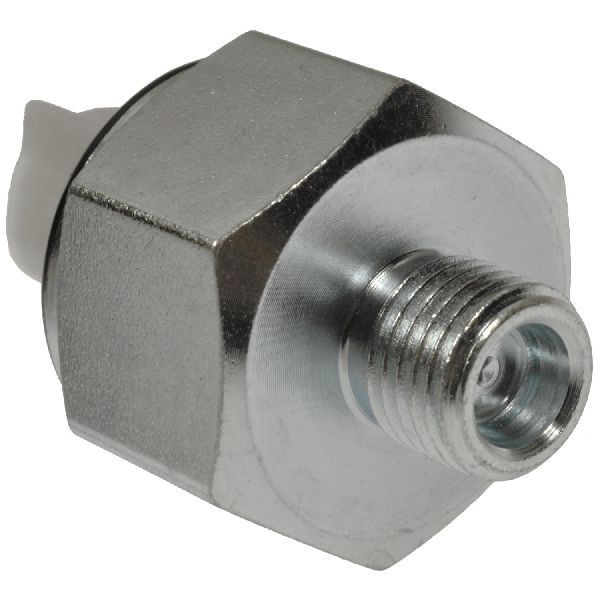
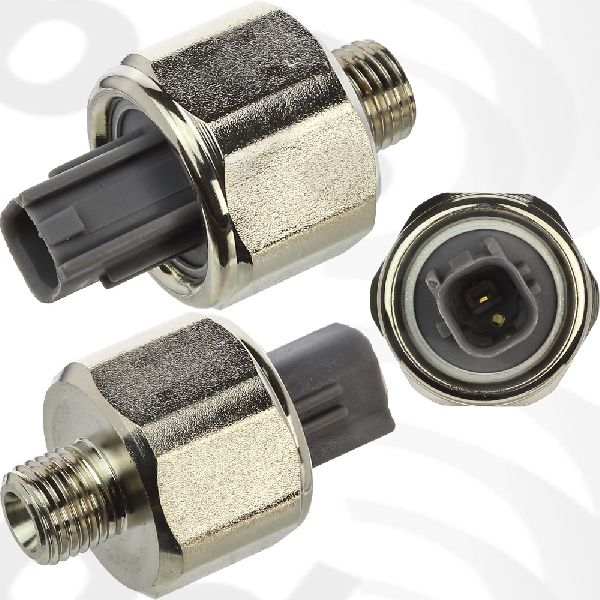
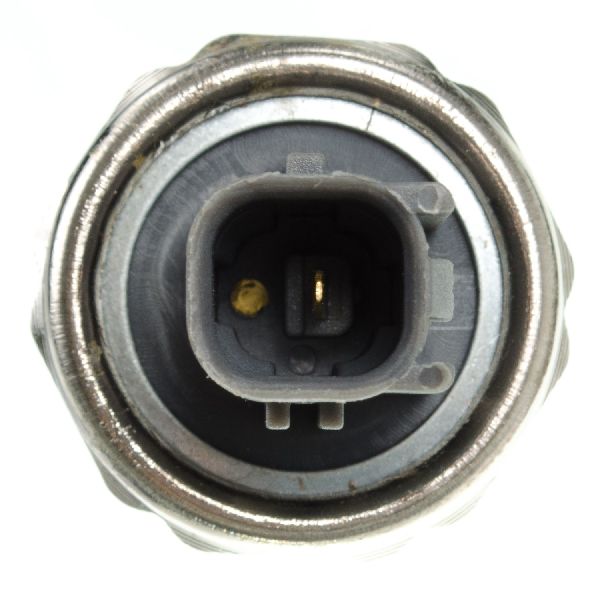
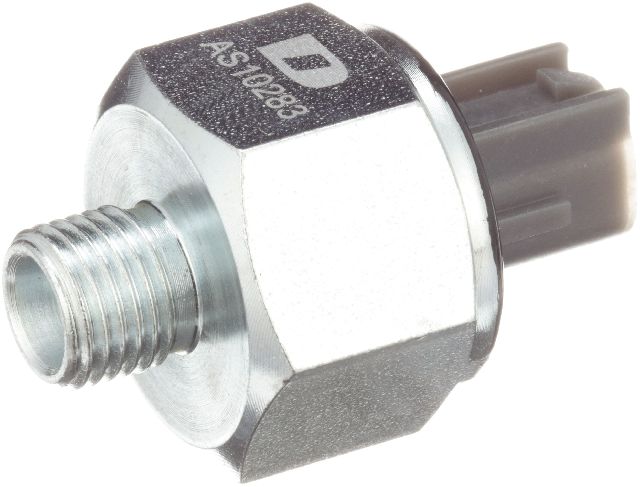
The 1990-2000 Lexus LS400 uses two piezoelectric knock sensors, one for each cylinder bank (Bank 1 and Bank 2). They are located under the intake manifold. The correct torque specification when installing is critical for proper function, approximately 33 ft-lbf (44 N·m). The sensors connect via a short, two-wire sub-harness that is a known failure point.
We Have This Part in Stock


The information in this article is provided for general reference and educational purposes only. Vehicle specifications, procedures, and part compatibility can vary by production date, trim level, and region. Always consult your vehicle's factory service manual and verify part numbers before purchasing or performing repairs. Safety-critical components such as airbags, seat belts, and braking systems should be installed by a qualified professional.
- Lexus LS400: