

Lexus LS400 (1990-2000) Oxygen Sensor Replacement and Diagnosis
Restore your LS400's fuel economy and smooth performance by understanding how to choose and replace the right oxygen sensors.
- Denso is the original equipment manufacturer (OEM) and the most recommended brand for reliability and fit.
- Your LS400 has four sensors; confirm if you need an upstream or downstream part before ordering.
- Replacement can be difficult due to seized sensors and tight access, especially for the driver's side upstream sensor.
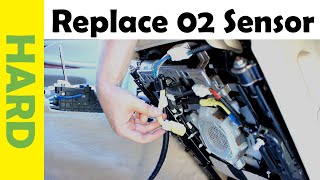
- For some downstream sensors, the connector is located inside the cabin under the carpet, requiring interior trim removal.
Symptoms of a Failing Oxygen Sensor

When an oxygen sensor begins to fail on your LS400, your car's computer will often tell you before you notice a major performance problem. The most common symptom is a Check Engine Light (CEL) on your dashboard. You might also experience a noticeable drop in fuel economy, with some owners reporting very poor mileage before a replacement. Other signs can include a rough idle or hesitation, though many owners report the car runs smoothly even with a bad sensor code active. To confirm the issue, you'll need to read the Diagnostic Trouble Codes (DTCs) with an OBD2 scanner. 🎬 See how to diagnose O2 sensor heater circuit fault codes. Common codes for this issue are P0135 (Bank 1, Sensor 1 Heater Circuit Malfunction) and P0155 (Bank 2, Sensor 1 Heater Circuit Malfunction), which point to the upstream sensors.
🎬 Watch this walkthrough for replacing a Bank 1 upstream sensor.Choosing the Right Aftermarket Oxygen Sensor

For the Lexus LS400, the brand of oxygen sensor you choose matters significantly. Owner experiences consistently point to one brand as the top choice.
Aftermarket Brand Quality Tiers
| Tier | Brands | Assessment |
|---|---|---|
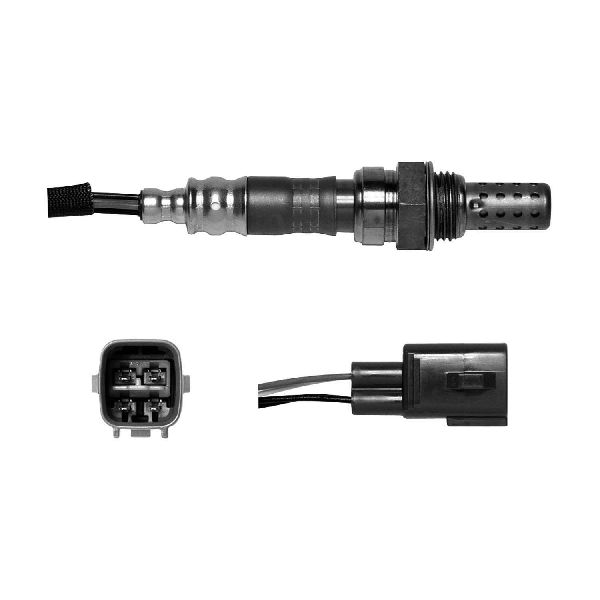
| OEM Supplier | Denso | Denso is the original equipment manufacturer for Lexus. This is the most recommended brand by LS400 owners for guaranteed fit, performance, and longevity. Choosing a Denso direct-fit sensor is the safest bet for a hassle-free replacement. |
| Reputable Aftermarket | NGK (NTK) | NGK's sensor division, NTK, is also a primary OEM supplier for many automakers and is considered a high-quality, reliable alternative to Denso. |
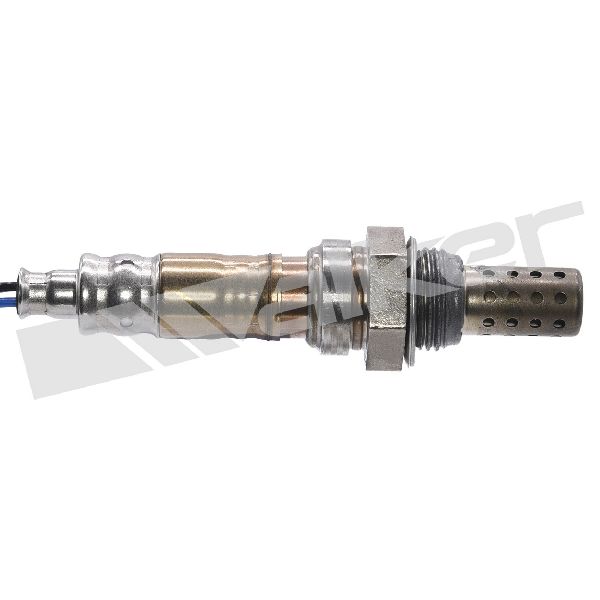
| Mid-Grade / Mixed Reviews | Bosch, Walker Products | While Bosch is a major sensor manufacturer, forum discussions suggest they can be hit-or-miss in Japanese vehicles. Some owners have had success with Walker Products, but it's generally recommended to stick with Denso or NGK for this specific car. |
| Budget-Friendly | DriveWire, Spectra, Universal Sensors | These brands offer a lower price point. Universal sensors require you to cut the old connector off your original sensor and splice it onto the new one. This adds time and potential points of failure to the installation. While it saves money, it's only recommended if you are comfortable with wiring. |
Pro Tip: Always replace oxygen sensors in pairs (both upstream or both downstream) if they are original and have high mileage. If one has failed, the other is likely not performing optimally and may fail soon.
Generation & Location Differences

All 1990-2000 LS400 models have four oxygen sensors: two upstream (before the catalytic converters) and two downstream (after the catalytic converters).
- Upstream (Main) Sensors: These are located in the exhaust manifolds, just after the engine. The driver's side (Bank 2) sensor can be difficult to access due to the steering rack.
- Downstream (Sub) Sensors: These are located after the catalytic converters. On many LS400s, the electrical connectors for these sensors are found inside the car, under the carpet in the driver and passenger footwells. This requires removing interior trim pieces for access.
Common Ordering Mistake: Do not confuse upstream and downstream sensors. They are not interchangeable. The upstream sensors do the heavy lifting for fuel mixture adjustments, while the downstream sensors monitor emissions. Always verify the correct part number for the specific location (e.g., Bank 1 Sensor 1, Bank 2 Sensor 2) you are replacing.
Frequently Asked Questions (FAQ)
How many oxygen sensors does my 1990-2000 LS400 have?
All V8 models in this year range have four oxygen sensors. There are two upstream (before the catalytic converter) and two downstream (after the catalytic converter).
What is the difference between Bank 1 and Bank 2?
On a V8 engine like the one in the LS400, the engine is split into two "banks." Bank 1 is the side of the engine with cylinder #1 (passenger side for the LS400). Bank 2 is the opposite side (driver's side).
Can I use a universal oxygen sensor?
Yes, but it requires more work. You must cut the wiring connector from your old sensor and splice it onto the new universal sensor. While this is a cheaper option, a direct-fit sensor from a brand like Denso is highly recommended to avoid installation problems and ensure reliability.
What tools do I need for the replacement?
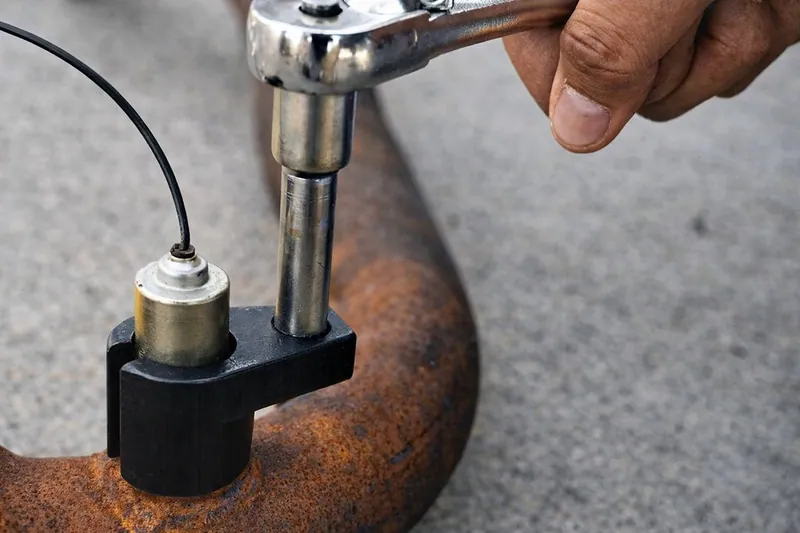
You will likely need a special 22mm (or 7/8") oxygen sensor socket, which has a slot for the wire. While some earlier models (1990-1994) might allow for a standard wrench, 1995-2000 models often have tight clearances that make the special socket necessary 🎬 Watch a step-by-step guide on replacing Lexus oxygen sensors. for the front sensors. Penetrating oil is also highly recommended, as the sensors are often seized in the exhaust pipe.
What happens if I don't replace a bad oxygen sensor?
Your car will continue to run, but you will fail an emissions test and experience poor fuel economy. The engine's computer will be operating in a less efficient "open-loop" mode, which can lead to increased fuel consumption and potentially damage the catalytic converters over the long term due to a rich fuel mixture.
Helpful Videos

Technical Specifications
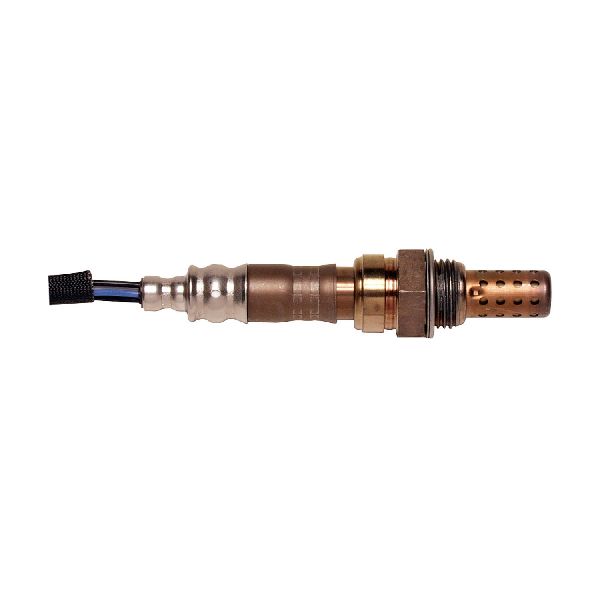
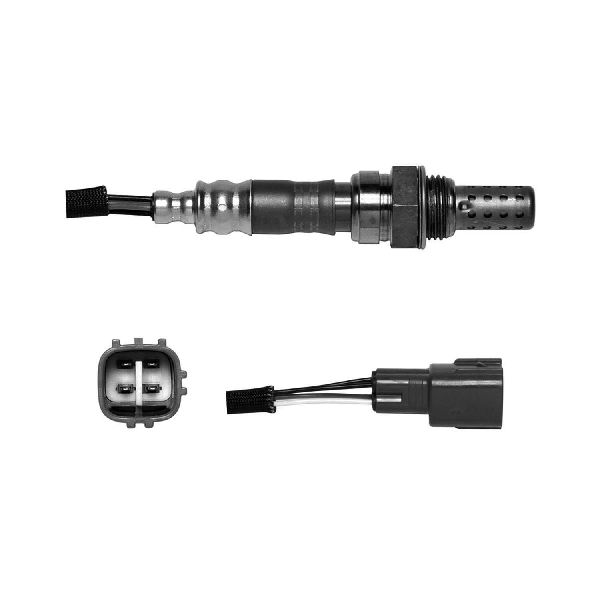
OEM Part Numbers: 89465-50010 89465-50050 89465-50060 89465-50100 89465-50150
Number of Sensors: 4 (2 Upstream, 2 Downstream). Wrench Size: 22mm or 7/8".
We Have This Part in Stock


The information in this article is provided for general reference and educational purposes only. Vehicle specifications, procedures, and part compatibility can vary by production date, trim level, and region. Always consult your vehicle's factory service manual and verify part numbers before purchasing or performing repairs. Safety-critical components such as airbags, seat belts, and braking systems should be installed by a qualified professional.
- Lexus LS400: