

Mitsubishi Eclipse Throttle Position Sensor (TPS) Guide (1990-2000)
Everything a 1G or 2G Eclipse owner needs to know about a failing throttle position sensor and how to choose a replacement.
- A bad TPS causes hesitation, erratic idle, stalling, and shifting problems.
- Verify your engine (4G63T vs. 420A) before buying, as the sensors are different and not interchangeable.
- Aftermarket brands like Standard Ignition and Walker Products are reliable alternatives to expensive OEM parts.
- Properly adjusting or 'calibrating' the new sensor with a multimeter is required for correct engine operation.
Is Your Eclipse's Throttle Position Sensor Failing?
A bad throttle position sensor can cause a lot of strange and frustrating engine problems. Because the TPS is a simple sensor that wears out over time, the symptoms can start small and get worse. You might first notice a slight hesitation or a check engine light that comes and goes.
Common Symptoms of a Bad TPS on a 1990-2000 Eclipse:
- Hesitation or Stumbling: The car might hesitate or stumble when you press the gas pedal.
- Jerking or Bucking: The car may jerk or buck during acceleration.
- Poor or Erratic Idle: The engine might idle too high, too low, or surge up and down.
- Sudden Stalling: The engine may stall unexpectedly, especially when you let off the gas.
- No Power / Limp Mode: You might experience a sudden loss of power or the car may feel like it has no acceleration.
- Automatic Transmission Problems: On automatic cars, a bad TPS can cause hard or delayed shifts.
- Check Engine Light: A failing TPS will often trigger a Check Engine Light with codes like P0120, P0121, P0122, or P0123.
Choosing the Right Aftermarket TPS
When it comes to sensors for these cars, especially the 1G (1990-1994) and 2G (1995-1999) DSMs, quality matters. While an OEM Mitsubishi sensor is widely considered the best for reliability, they can be expensive and sometimes hard to find. Aftermarket options offer a more affordable solution, but quality can vary. It's generally best to avoid the cheapest, no-name brands, as they have a reputation for failing quickly.
Aftermarket Brand Tiers for Your Eclipse
Based on owner experiences and general brand reputation, here’s how the available aftermarket brands stack up:
- Tier 1 - Good Quality: Standard Ignition (SMP) and Walker Products are generally considered reliable aftermarket choices. They aim to meet or exceed original specifications and perform extensive testing. While some users have mixed feelings about SMP's more recent quality, they are often seen as a better option than basic store brands.
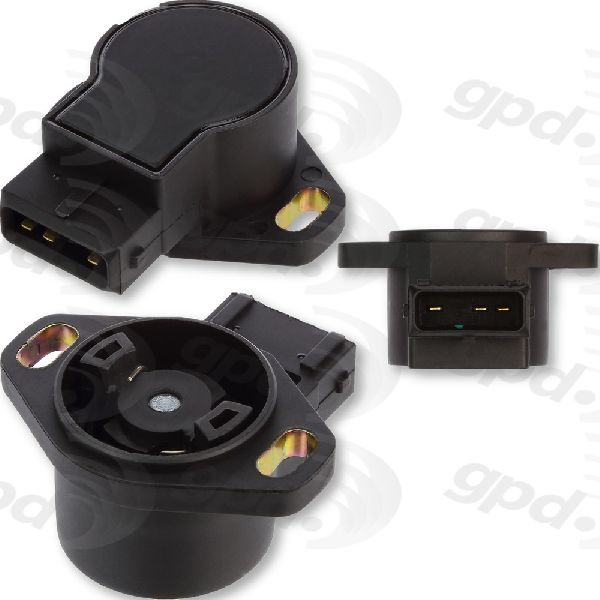
- Tier 2 - Economy: Brands like Global Parts and Replacement fall into the budget-friendly category. These can be a good choice if cost is your main concern, but their long-term reliability may not match the higher-tier brands.
- Tier 3 - Basic: Motorad is another available brand, typically positioned as a standard replacement part.
A Note on 4G63T vs. 420A Engines
The 1995-1999 (2G) Eclipse came with two main engines: the turbocharged Mitsubishi 4G63T and the non-turbo Chrysler 420A. These engines use different throttle position sensors that are not interchangeable. The 4G63T sensor has a 4-wire plug that includes an idle switch, while the 420A sensor uses a 3-wire plug. Always verify your engine type before ordering to ensure you get the correct part.
Cost of Replacing Your Throttle Position Sensor
The cost to replace a TPS on a 1990-2000 Eclipse is very reasonable, especially if you do the work yourself. The part itself is affordable, and the job doesn't require many tools.
| Part/Service | Estimated Cost |
|---|---|
| New Aftermarket TPS | $20 - $170 |
| New OEM Mitsubishi TPS | $220 - $320+ |
| Shop Labor | $50 - $100 |
| Total Professional Replacement | $70 - $270 (Aftermarket) / $270 - $420+ (OEM) |
Frequently Asked Questions
Do I need to calibrate the new TPS?
Yes, for these Eclipse models, proper adjustment is critical. After installing the new sensor, it must be rotated to the correct position before tightening the bolts. The procedure involves using a feeler gauge and a multimeter to set the idle switch or baseline voltage correctly. Failing to do this can result in idle and drivability problems even with a new part.
Are there any recalls for the Eclipse TPS?
A search of the National Highway Traffic Safety Administration (NHTSA) database shows no specific recalls for the throttle position sensor on 1990-2000 Mitsubishi Eclipse models.
Can I replace the TPS myself?
Yes, this is a very DIY-friendly job. The TPS is located on the side of the throttle body and is typically held on by two small bolts. The main challenge is the calibration step, which requires a multimeter and some patience to get right.
What's the difference between a 1G and 2G TPS?
The sensors themselves can differ between model years and engine types. First-generation (1G) and second-generation (2G) models may use different sensors, and as mentioned, the 4G63T and 420A engines in the 2G Eclipse use different parts. It is crucial to order the specific part for your vehicle's year and engine to ensure correct fitment and function.
Technical Specifications
OEM Part Numbers: MD614488 MD614697 MD614772
Typically a 3-wire (420A) or 4-wire (4G63T) potentiometer-type sensor mounted to the throttle body. Operates on a 5-volt reference signal from the ECU. Requires calibration upon installation to ensure correct idle and wide-open-throttle voltage readings.
We Have This Part in Stock
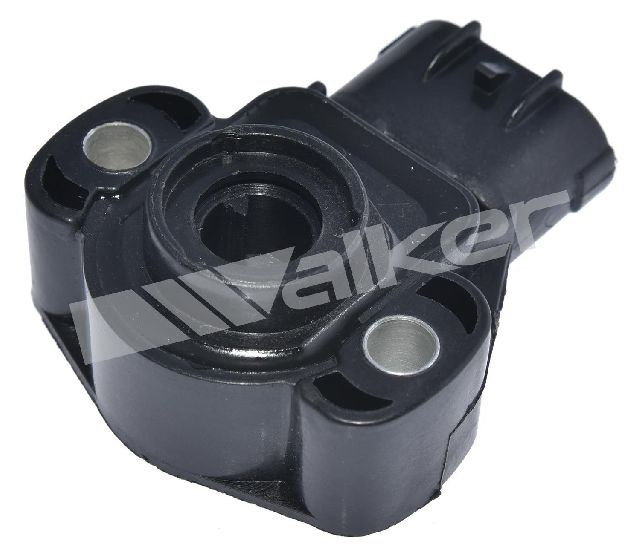

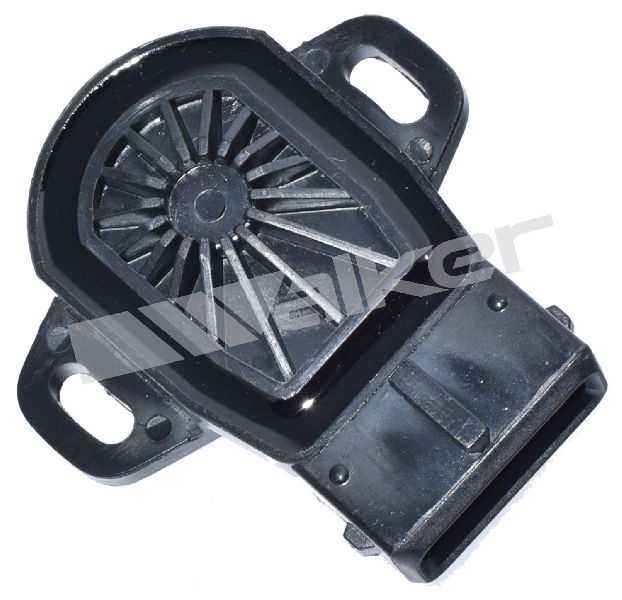
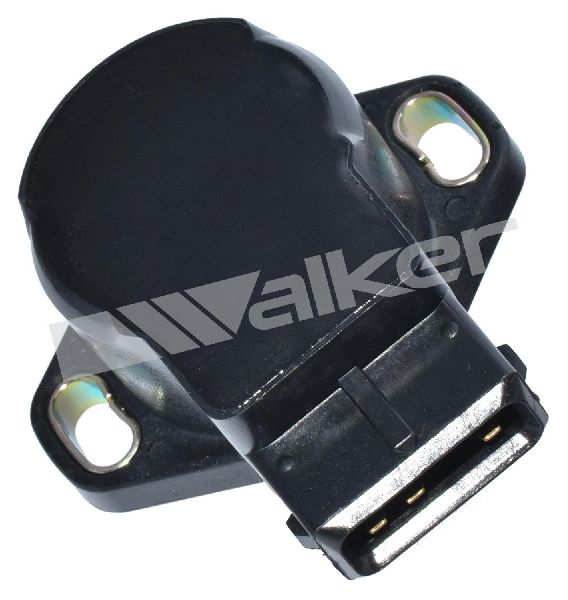
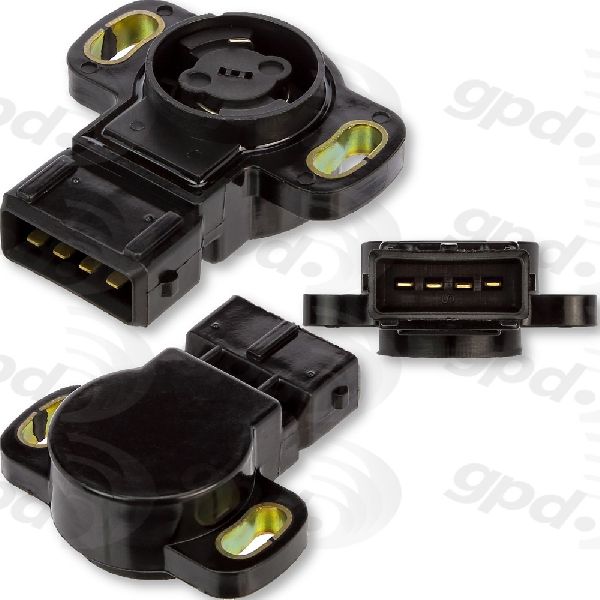

The information in this article is provided for general reference and educational purposes only. Vehicle specifications, procedures, and part compatibility can vary by production date, trim level, and region. Always consult your vehicle's factory service manual and verify part numbers before purchasing or performing repairs. Safety-critical components such as airbags, seat belts, and braking systems should be installed by a qualified professional.
- Mitsubishi Eclipse:
- 🛍️ Shop This Part
- Is Your Eclipse's Throttle Position Sensor Failing?
- Common Symptoms of a Bad TPS on a 1990-2000 Eclipse:
- Choosing the Right Aftermarket TPS
- Aftermarket Brand Tiers for Your Eclipse
- A Note on 4G63T vs. 420A Engines
- Cost of Replacing Your Throttle Position Sensor
- Frequently Asked Questions
- 🎟️ Get 5% Off