

Plymouth Voyager Engine Camshaft Position Sensor Guide (1990-2000)
Fix stalling and starting problems in your Voyager by understanding and replacing the camshaft position sensor.
- A failing camshaft sensor is a very common cause of stalling, no-start conditions, and a P0340 code on 1990-2000 Voyagers.
- The location varies by engine: it's a separate sensor on 3.3L/3.8L engines but often inside the distributor on 3.0L engines.
- DIY replacement is easy for most owners with basic tools, especially on the 3.3L/3.8L engines.
- For best results, choose a quality aftermarket brand like Delphi, NGK, or Standard Ignition over the cheapest options.
Is Your Plymouth Voyager Stalling or Hard to Start?
If your 1990-2000 Plymouth Voyager is suddenly difficult to start, stalls unexpectedly, or idles roughly, a failing camshaft position sensor is a very common reason. This small sensor plays a big part in how your engine runs. When it goes bad, it can't send the right information to your van's computer, leading to frustrating and sometimes dangerous driving problems. Understanding the symptoms and how to choose the right replacement part is key to getting your Voyager back on the road reliably.
Symptoms of a Failing Camshaft Position Sensor
When this sensor starts to fail, your van will usually let you know. Here are the most common signs:
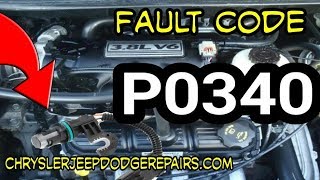
- Check Engine Light: This is often the first sign. A code reader will usually show code P0340, which points directly to a problem in the camshaft sensor's circuit.
- Engine Won't Start: The engine may crank over and over but never start. This happens because the computer doesn't know when to fire the spark plugs.
- Hard Starting: Your Voyager might take a lot longer to start than usual, cranking for several seconds before the engine finally catches.
- Engine Stalling: The engine can shut off without warning while you are driving, especially when slowing down. This is a serious safety risk.
- Rough Idle and Poor Acceleration: The engine may shake, run unevenly at a stop, or feel sluggish when you press the gas pedal.
Important Note for 3.0L vs. 3.3L/3.8L Engines
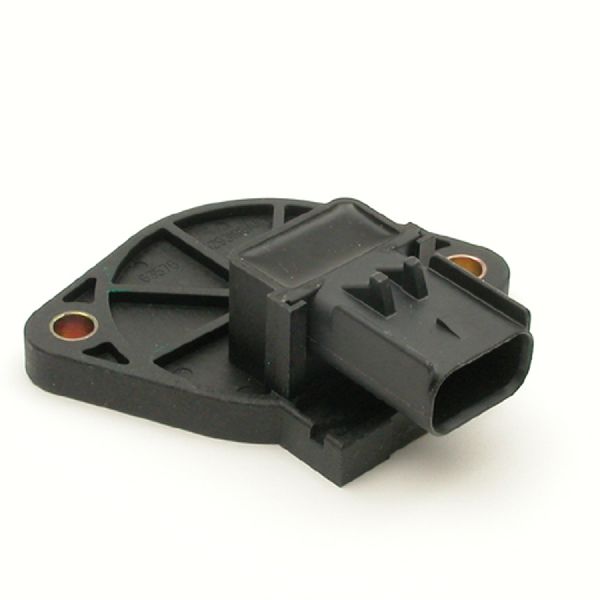
The location and type of sensor can differ based on your engine. On many earlier models with the 3.0L V6, the sensor is a pickup coil located inside the distributor. For the 3.3L and 3.8L V6 engines, it is typically a separate sensor mounted on the front of the engine near the timing chain cover. Always verify the correct part for your specific engine before ordering.
Choosing the Right Aftermarket Sensor
For an older vehicle like the 1990-2000 Voyager, you don't need to pay high dealer prices for a Mopar part. Quality aftermarket brands offer excellent reliability. However, with critical engine sensors, it's best to avoid the cheapest options, which are known to fail quickly. We can group the available brands into tiers:
- Tier 1: OEM-Quality Aftermarket (Recommended): Brands like Delphi, NGK, and Hitachi often supply the original parts to automakers. They provide the best fit and longest life outside of a genuine Mopar box.
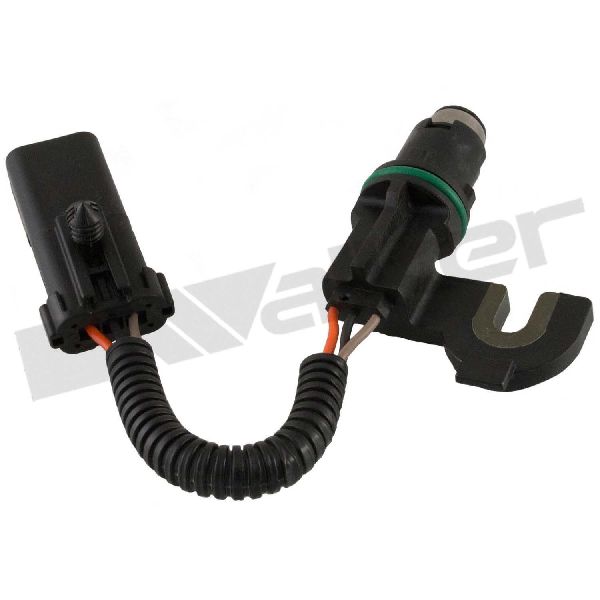
- Tier 2: Reputable Aftermarket Brands: Standard Ignition (SMP), Beck Arnley, and Walker Products are trusted names in the industry. They offer a great balance of quality, reliability, and price, and are a solid choice for this repair.
- Tier 3: Budget-Friendly Options: Brands like Dorman and other value-priced sensors can be a gamble. While Dorman makes some innovative repair solutions, their sensor quality can be inconsistent. These are best used if you're on a tight budget and the sensor is easy to access for a potential future replacement.
| Part Type | Part Cost | Shop Labor Cost | Total Estimated Cost |
|---|---|---|---|
| New Aftermarket | $18.92 - $144.71 | $75 - $150 | $93.92 - $294.71 |
| New OEM (Mopar) | $80 - $200+ (est.) | $75 - $150 | $155 - $350+ (est.) |
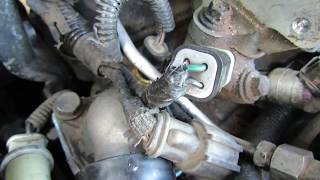
Pro Tip: Before you replace the sensor, take a moment to inspect the wiring and connector. A loose, corroded, or oil-soaked connector can cause the same P0340 code and symptoms. Cleaning the connection or repairing a damaged wire might fix your problem for free.
Frequently Asked Questions (FAQ)
Can I replace the camshaft position sensor myself?
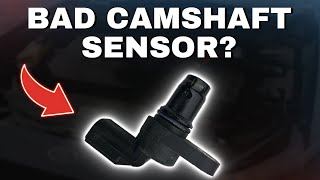
Yes, for most owners this is a very DIY-friendly repair. On the 3.3L and 3.8L engines, the sensor is usually held by a single bolt 🎬 See this 3.3L camshaft sensor replacement walkthrough on the front of the engine. On 3.0L engines, it may be inside the distributor, which is a more involved job. Basic hand tools (a socket set) are typically all that's needed. The job should take less than an hour.
Where is the camshaft position sensor located on my Voyager?
On 3.3L and 3.8L V6 engines, it's typically located on the front timing chain cover, near the top and to one side. You may need to remove the ignition coil pack for better access. On the 3.0L V6, it is often part of the distributor assembly. Always confirm the location for your specific year and engine.
Are there any recalls for the camshaft position sensor on the Plymouth Voyager?
No, there are no specific recalls for the camshaft position sensor on the 1990-2000 Plymouth Voyager according to NHTSA records. While other recalls exist for these vans, none target this specific part.
What's the difference between a camshaft and a crankshaft sensor?
They perform similar jobs but monitor different shafts. The camshaft sensor tracks the valve timing, while the crankshaft sensor tracks the piston position. The computer uses both signals to run the engine. A failure in either one can cause similar symptoms like stalling or a no-start condition.
Helpful Videos
Technical Specifications
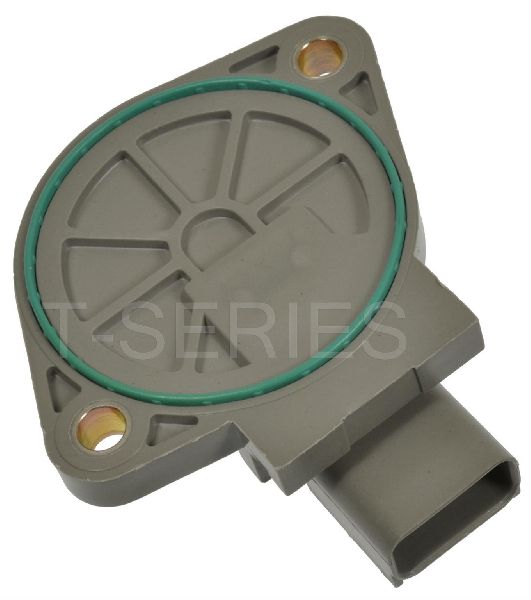
OEM Part Numbers: 4882251AB 4686353
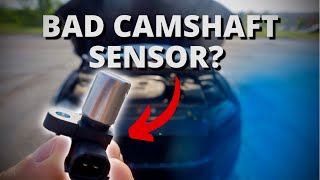
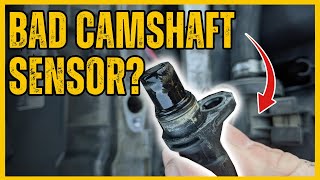
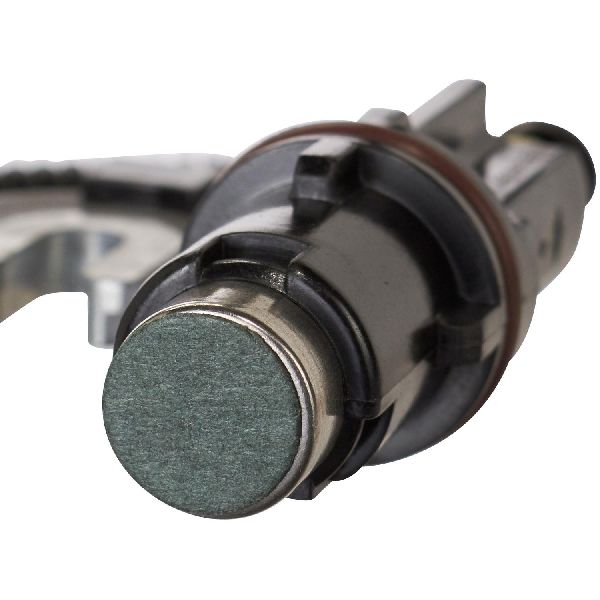
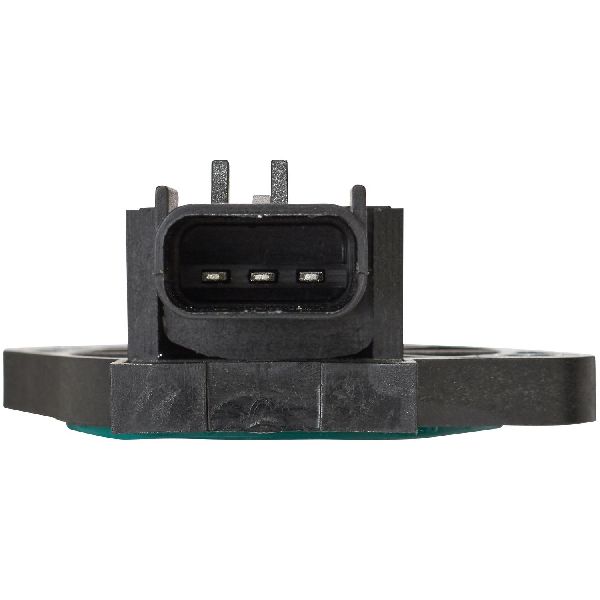
The sensor for the 3.3L/3.8L engines is typically a Hall-effect sensor held by a single 10mm bolt, with a 3-pin electrical connector. Some new sensors come with a paper spacer on the tip which should NOT be removed before installation.
We Have This Part in Stock


The information in this article is provided for general reference and educational purposes only. Vehicle specifications, procedures, and part compatibility can vary by production date, trim level, and region. Always consult your vehicle's factory service manual and verify part numbers before purchasing or performing repairs. Safety-critical components such as airbags, seat belts, and braking systems should be installed by a qualified professional.
- Plymouth Voyager: