

Subaru Legacy Radiator Coolant Hose Guide for 1990-2000 Models
Prevent overheating in your first or second-generation Legacy by understanding when and how to replace your radiator hoses.
- Inspect radiator hoses at every oil change for cracks, swelling, or soft spots.
- For this generation of Legacy, proactively replace hoses every 5 years or if their age is unknown.
- High-quality aftermarket brands like Gates or Dayco are reliable and cost-effective alternatives to OEM.
- Properly bleeding all air from the cooling system after replacement is critical to prevent overheating and engine damage.
Signs of a Failing Radiator Hose
A failed radiator hose can quickly lead to major engine problems. Watch for these warning signs to catch a problem before it leaves you stranded.
- Coolant Leaks: This is the most obvious symptom. You may find puddles of green, blue, or pink fluid under the front of your car. You might also smell a sweet odor after driving.
- Visible Damage: Inspect the hoses regularly. Look for cracks, splits, or bulging areas, which indicate the hose is weak and could burst. Hoses that feel spongy, soft, or excessively hard and brittle need immediate replacement.
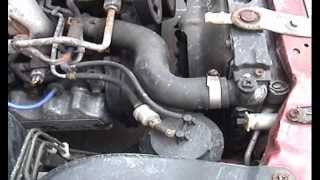
- Engine Overheating: If your temperature gauge climbs into the red, a failing hose could be the cause. 🎬 Watch: How to diagnose a Subaru that overheats while driving. A leak can lower the coolant level, or a collapsed hose can block flow entirely.
- Collapsed Hose: A hose that is sucked flat after the engine has cooled down often points to a faulty radiator cap not allowing coolant to return from the overflow tank, but it also reveals the stress the hoses are under.
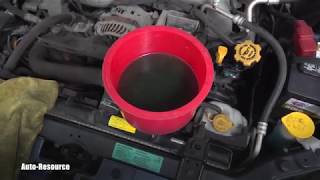
The boxer engine design in your Legacy is prone to trapping air in the cooling system after it has been drained. Failure to properly "burp" or bleed the air out after replacing hoses will cause air pockets, leading to overheating and potential head gasket failure. This is the most critical step of the replacement process. Many mechanics recommend jacking up the front of the car and using a spill-free funnel on the radiator to help purge all the air. 🎬 See how to properly bleed a Subaru cooling system.
Choosing the Right Aftermarket Hose
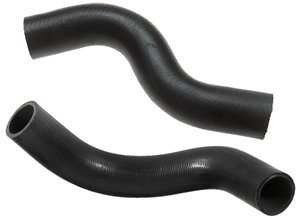
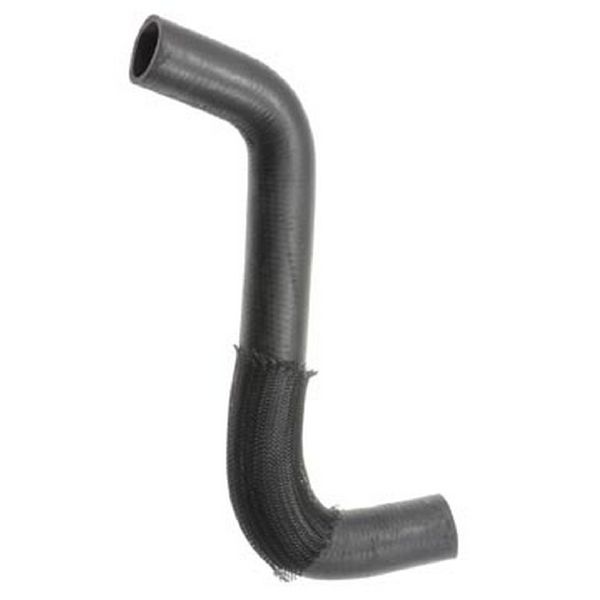
For a vehicle of this age, high-quality aftermarket hoses offer a great balance of performance and value. While OEM hoses provide a guaranteed perfect fit, reputable aftermarket brands are designed to meet or exceed original specifications.
- OEM (Original Equipment Manufacturer): Made by Subaru's supplier, these hoses guarantee a perfect fit and are made from high-quality EPDM rubber. They are a reliable choice but often cost more than aftermarket options.
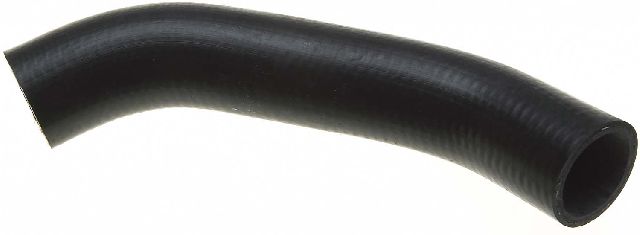
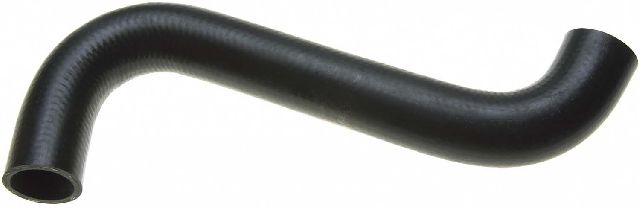
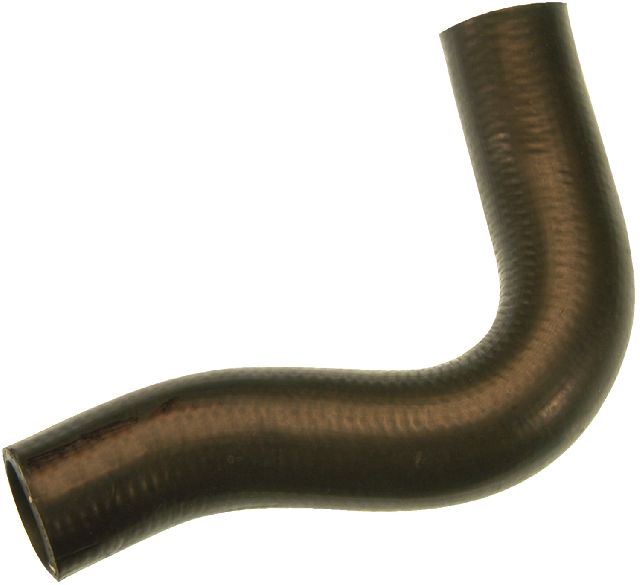
- Premium Aftermarket (Gates, Dayco, Continental): These brands are well-respected in the industry. They produce model-specific, pre-molded hoses that are designed to fit just like the original. Forum discussions show that many Subaru owners use these brands with good results. While minor fitment differences can occasionally occur with any aftermarket part, these brands are generally considered reliable and are often made of the same high-quality EPDM rubber as OEM.
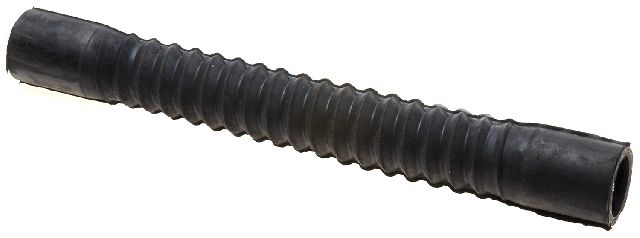
- Avoid Universal Hoses: Do not use "flex" or universal-fit hoses. They are not molded to the correct shape and can kink, restricting coolant flow and leading to engine damage.
Radiator Hose Replacement Cost (1990-2000 Subaru Legacy)
| Part Type | Estimated Cost |
|---|---|
| New OEM Hoses (Set of 2) | $35 - $70 |
| New Aftermarket Hoses (Set of 2) | $22.16 - $32.64 |
| Shop Labor | $125 - $250 |
| Total Estimated Cost (Aftermarket Parts + Labor) | $147 - $283 |
Cost estimates are for parts and labor and can vary by location and vehicle condition.
Frequently Asked Questions
How often should I replace my radiator hoses?
As a general rule, radiator hoses should be inspected at every oil change and replaced as a preventative measure every 4-5 years or around 60,000-90,000 miles, even if they show no visible signs of failure. For a car from 1990-2000, if you don't know their age, it's wise to replace them.
Is replacing radiator hoses a good DIY job?
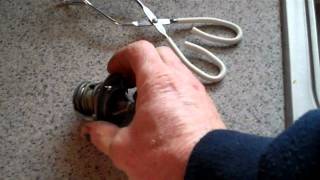
Yes, for someone with basic mechanical skills and tools, this is a very manageable job. 🎬 Watch this step-by-step DIY guide for replacing Legacy cooling hoses. The most important part is taking the time to properly bleed the cooling system to remove all air pockets after you are done.
What kind of coolant should I use for my 1990-2000 Legacy?
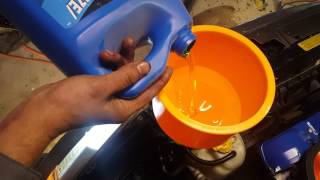
You should use a standard green, ethylene glycol-based coolant. Always mix it 50/50 with distilled water. Using distilled water is important to prevent mineral deposits and corrosion inside your cooling system.
Why is bleeding the air out so important on a Subaru?
The horizontally-opposed "boxer" engine design can easily trap air in high spots within the cooling passages. An air bubble can get stuck and block the flow of coolant, acting like a clog. This will cause the engine to overheat even if the coolant level appears full, which can quickly lead to expensive head gasket damage.
Helpful Videos

Technical Specifications
OEM Part Numbers: 45167AA020 (Upper) 45161AE010 (Lower)
Fitment can vary between 1st Gen (1990-1994) and 2nd Gen (1995-2000) models, as well as between engine sizes (2.2L vs 2.5L). Always verify the part number for your specific vehicle. Hoses are typically made from EPDM (Ethylene Propylene Diene Monomer) rubber for heat and chemical resistance.
We Have This Part in Stock

The information in this article is provided for general reference and educational purposes only. Vehicle specifications, procedures, and part compatibility can vary by production date, trim level, and region. Always consult your vehicle's factory service manual and verify part numbers before purchasing or performing repairs. Safety-critical components such as airbags, seat belts, and braking systems should be installed by a qualified professional.
- Subaru Legacy: