

Guide to the 1990-2000 Toyota Celica Starter Motor
If your Celica won't start, the starter motor is a likely suspect; here's what you need to know to replace it.
- A single, loud click when turning the key is a classic symptom of a failed starter on a Celica.
- Before replacing the starter, always confirm your battery is fully charged and the terminals are clean.
- The starter is located on the front of the engine and is accessible from underneath the car; replacement is a feasible DIY job.
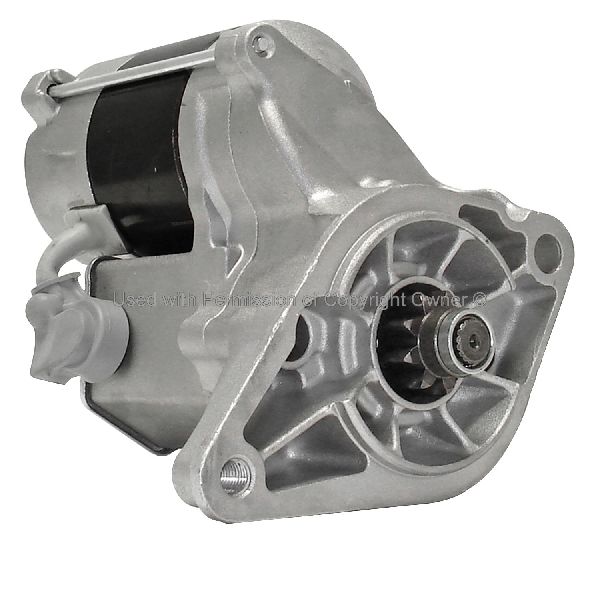
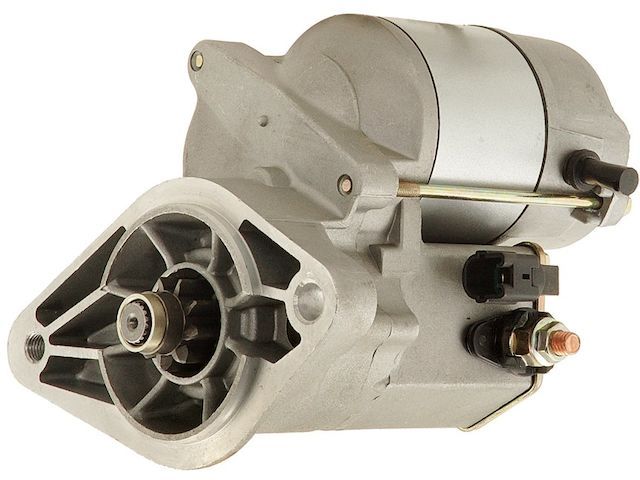
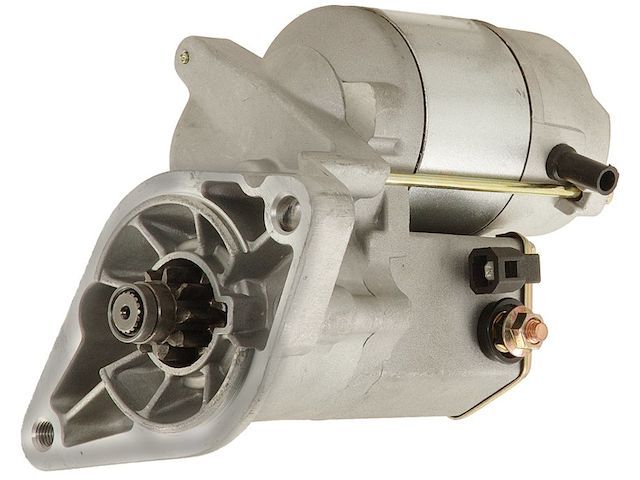
- New aftermarket starters from brands like ACDelco offer a reliable and affordable repair for this generation of Celica.
Is Your Celica's Starter Failing?
A dead starter can leave you stranded. For the 1990-2000 Toyota Celica, the signs of a failing starter are usually straightforward. Don't ignore them, as they rarely get better on their own. An intermittent problem will eventually become a complete failure to start.
Diagnosing the Problem: Starter, Battery, or Something Else?
Before you replace the starter, it's important to make sure it's the actual cause of your no-start problem. The symptoms of a bad starter can be very similar to a weak battery or corroded cables.
- Single, Loud Click: If you turn the key and hear one solid click but the engine doesn't crank, it's a classic sign of a bad starter solenoid or motor. The battery has enough power to engage the solenoid, but the motor itself isn't turning.
- No Sound at All: If your lights and radio work but you hear nothing when turning the key, the problem could be the starter, the starter relay, or the ignition switch.
- Rapid Clicking: A fast clicking or chattering sound usually points to a weak or dead battery that doesn't have enough power to turn the starter over.
- Grinding Noise: A grinding sound when you try to start the car, or just after the engine has started, can mean the starter gear is worn or not disengaging properly from the flywheel.
- Intermittent Starting: The car starts fine one day but not the next. This can be caused by worn-out electrical contacts inside the starter solenoid, a common issue on older Toyotas.
Pro Tip: If your Celica won't start, try turning on the headlights. If they are bright, your battery is likely okay, pointing more towards the starter. If they are dim or don't turn on, your battery is the first thing to check.
Known Issues, Recalls, and Bulletins
For the 1990-2000 Toyota Celica, there are no specific recalls or widespread Technical Service Bulletins (TSBs) from Toyota directly related to starter motor failure. Most issues are due to the age and wear of the components. However, some owners report that issues with the starter relay or corroded wiring can mimic a failed starter. A TSB is a notice from the manufacturer to dealers about common problems and recommended repairs, but it is not a recall.
Choosing a New Aftermarket Starter
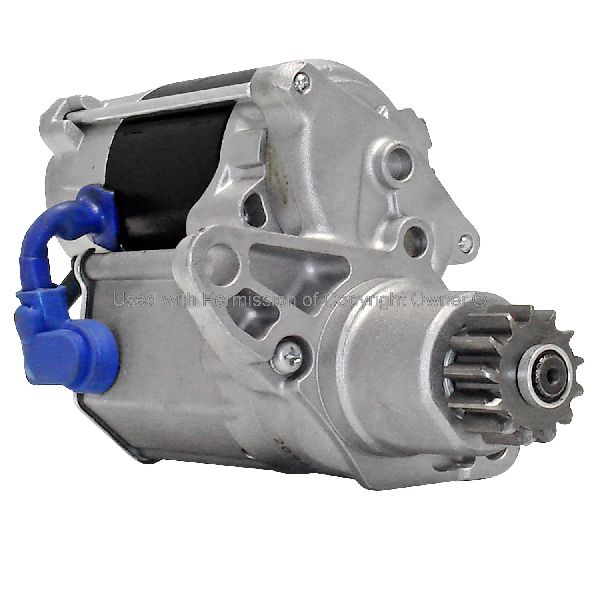
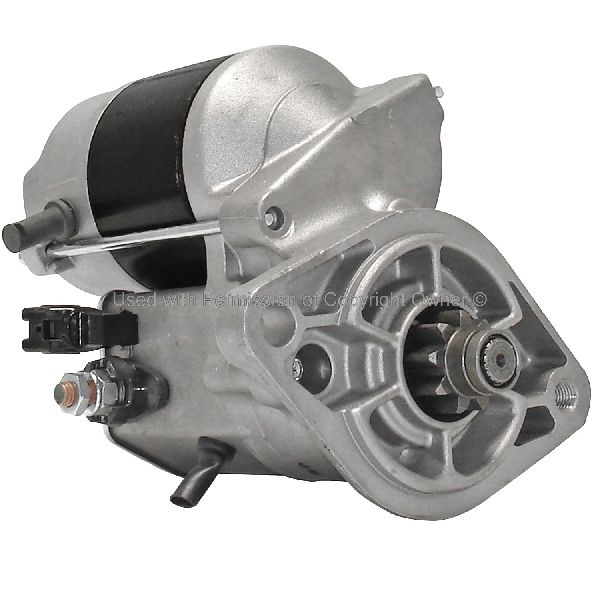
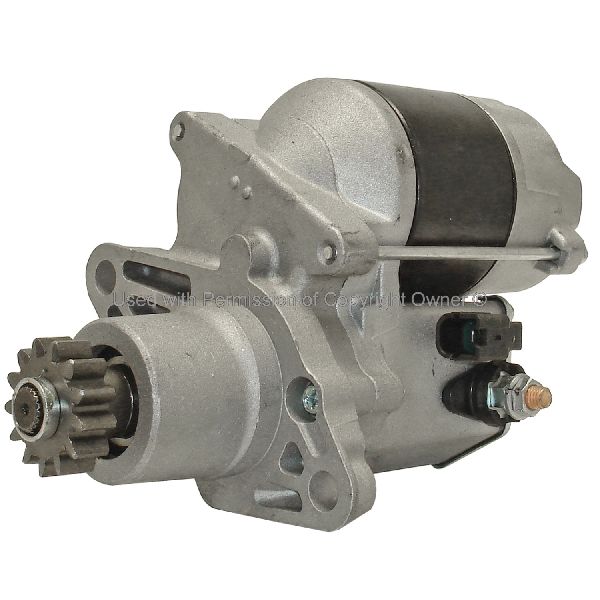
For a vehicle of this age, a new aftermarket starter is a cost-effective and reliable choice. OEM (Original Equipment Manufacturer) parts are often expensive or no longer available new. Aftermarket brands like ACDelco and MPA provide quality replacements that meet or exceed original specifications.
- ACDelco: A well-known brand that produces new parts, not remanufactured ones. They are manufactured to ISO quality standards and are computer tested for reliability. Many owners find them to be a quality, affordable alternative to OEM.
- MPA (Motor Parts of America): Another major supplier of aftermarket starters. While specific reviews for Celicas are sparse, they are a large player in the aftermarket industry.
When choosing, a new unit is often preferred over a remanufactured one to ensure all components are fresh and have not been previously worn.
| Brand Tier | Estimated Price Range |
|---|---|
| New Aftermarket (ACDelco, MPA) | $92.88 - $183.02 |
FAQ for Celica Starter Replacement
Where is the starter located on a 1990-2000 Celica?
The starter motor is located on the front side of the engine, mounted to the transmission bell housing. You will typically need to access it from underneath the vehicle. On some models, you may need to remove the air cleaner housing to get better access from the top.
Is replacing the starter a difficult DIY job?
For a home mechanic with basic tools, this is a manageable job. It typically involves disconnecting the battery, raising the front of the car safely, unplugging two electrical connectors, and removing two mounting bolts. Having a friend to help hold the new starter in place can make installation easier. The main difficulty is often tight space.
Can I repair my old starter instead of replacing it?
Sometimes, yes. A very common failure point on these Denso-style starters is the copper electrical contacts inside the solenoid. These can be replaced for a very low cost if you are comfortable disassembling the starter. However, given the affordable price of a complete new aftermarket unit, most owners choose a full replacement for peace of mind.
What tools do I need to replace the starter?
You will need a basic metric socket set (typically 12mm and 14mm sockets), wrenches, a floor jack, and jack stands for safety. Penetrating oil can be helpful for any rusty bolts.
Helpful Videos
Technical Specifications
OEM Part Numbers: 28100-02080 28100-74140 28100-74260 28100-16230
12 Volt, Clockwise Rotation. Gear reduction type.
We Have This Part in Stock

The information in this article is provided for general reference and educational purposes only. Vehicle specifications, procedures, and part compatibility can vary by production date, trim level, and region. Always consult your vehicle's factory service manual and verify part numbers before purchasing or performing repairs. Safety-critical components such as airbags, seat belts, and braking systems should be installed by a qualified professional.
- Toyota Celica: