

Chevrolet Lumina Engine Coolant Temperature Sensor Guide (1990-2001)
Fix your Lumina's check engine light, poor fuel economy, and rough idle by choosing the right Engine Coolant Temperature Sensor.
- A bad ECT sensor is a common cause of a check engine light, poor fuel economy, and rough running on a 1990-2001 Lumina.
- The replacement is simple, affordable, and can be done by most DIYers in under an hour.
- Verify if you are replacing the two-wire ECT sensor for the computer or the single-wire sender for the dash gauge.
- For best results, choose a quality aftermarket brand like ACDelco or Delphi to ensure proper signaling to the engine computer.
Is Your Lumina Acting Up? It Could Be the ECT Sensor.
If your 1990-2001 Chevrolet Lumina is experiencing a check engine light, running rough, or getting bad gas mileage, a faulty Engine Coolant Temperature (ECT) sensor is a common and inexpensive part to investigate. This sensor's signal affects many systems, and a bad reading can cause a variety of noticeable problems. Because this is a simple and affordable repair, it's often a good first step when troubleshooting these types of issues.
Symptoms of a Failing ECT Sensor in a Chevrolet Lumina
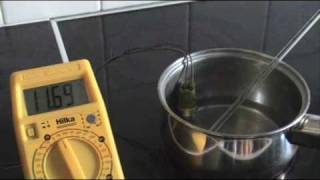
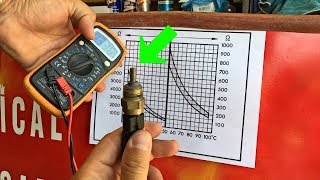
- Check Engine Light: This is the most common sign. Your scanner might show codes like P0117 (Circuit Low) or P0118 (Circuit High). 🎬 Learn how to test and clear these specific trouble codes.
- Poor Fuel Economy: If the sensor wrongly tells the computer the engine is cold, the computer will enrich the fuel mixture, wasting gas.
- Black Smoke from Exhaust: A very rich fuel mixture can result in black, sooty smoke coming from your tailpipe.
- Engine Overheating: If the sensor fails to report that the engine is hot, the cooling fans may not turn on when needed, leading to overheating.
- Rough Idle or Stalling: The wrong temperature reading can cause the computer to set an incorrect idle speed, making the engine run poorly.
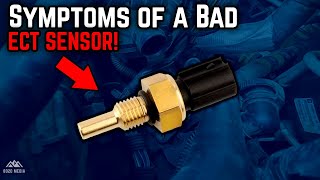
- Hard Starting: An incorrect fuel mixture can make the engine difficult to start, especially when the engine is cold. 🎬 See a visual breakdown of these common failing sensor symptoms.
Choosing the Right Aftermarket Sensor
For a vehicle like the 1990-2001 Lumina, aftermarket parts offer excellent value. However, quality can vary. Here’s a breakdown of the brands available to help you choose.
Brand Quality Tiers
| Tier | Brands | Description |
|---|---|---|
| OEM & Premium Aftermarket | ACDelco, Delphi | ACDelco is the original GM parts brand, offering a direct-fit replacement with expected factory performance. Delphi is also a major original equipment supplier with a strong reputation for quality electronics. Choosing one of these is the safest bet for reliability. |
| Reputable Aftermarket | Standard Ignition (SMP), NGK, Holstein | These brands are well-regarded in the aftermarket industry. They produce reliable sensors that meet or exceed original specifications and are a solid choice for a balance of price and quality. |
| Value Options | Beck Arnley, Facet, Four Seasons, Walker Products, True Tech | These brands provide a budget-friendly solution. While they are designed to function correctly, they may not have the same long-term durability or precise calibration as the higher-tier brands. They can be a good option for a less critical application or a tighter budget. |
One Sensor for the Computer, Another for the Gauge?
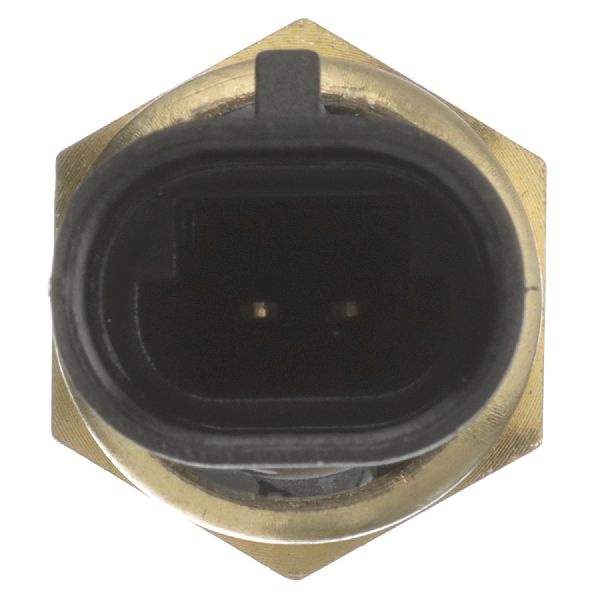
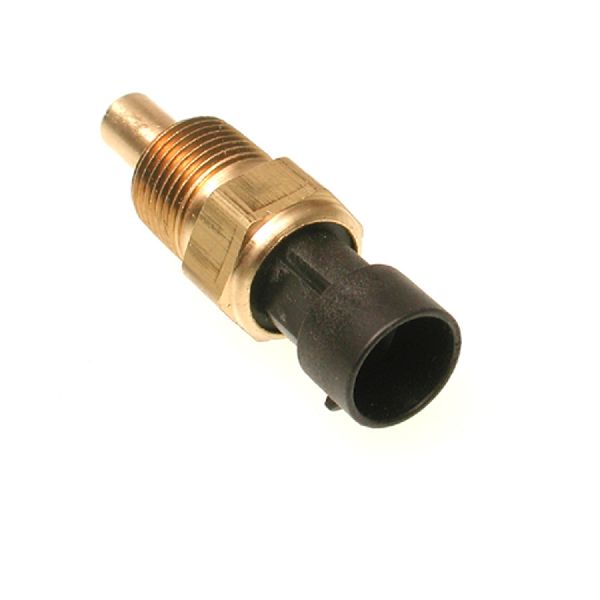
Some GM vehicles of this era have two separate temperature sensors. One is a two-wire sensor (the ECT) that sends information to the engine computer. The other is a single-wire sensor (a sender) that operates the temperature gauge on your dashboard. Make sure you are replacing the correct sensor for the problem you're having. A check engine light is caused by the ECT sensor, while an inoperative gauge is caused by the sender.
Frequently Asked Questions
Where is the ECT sensor located on a 1990-2001 Chevrolet Lumina?
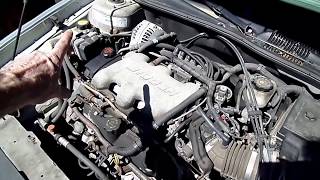
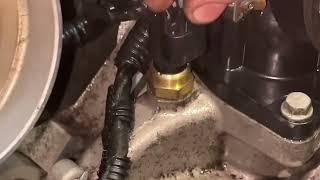
On most Luminas, especially those with the common 3.1L V6 engine, the ECT sensor is located on the intake manifold, near the thermostat housing. It will have a two-wire electrical connector. It's typically easy to access from the top of the engine.
Can I replace the ECT sensor myself?
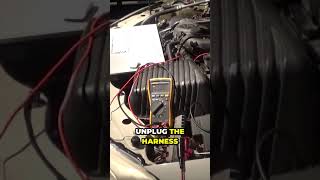
Yes, this is a very DIY-friendly job for most home mechanics. The sensor is usually easy to reach and requires basic tools. The main steps are to partially drain the coolant, unplug the old sensor, unscrew it, and install the new one. The entire job can often be done in under an hour.
🎬 Watch this step-by-step replacement guide for the GM 3.1L engine.What happens if I don't replace a bad ECT sensor?
Ignoring a bad ECT sensor is not recommended. You will continue to experience poor fuel economy and performance. More critically, if the sensor fails to trigger the cooling fans, you risk severe engine damage from overheating. Given the low cost of the part, it's a repair that should be done promptly.
Are there any recalls for the Lumina ECT sensor?
No, there are no specific recalls from the NHTSA for the engine coolant temperature sensor on the 1990-2001 Chevrolet Lumina. General issues for this vehicle are more related to other components.
Helpful Videos


Technical Specifications
OEM Part Numbers: 19236568 25037333
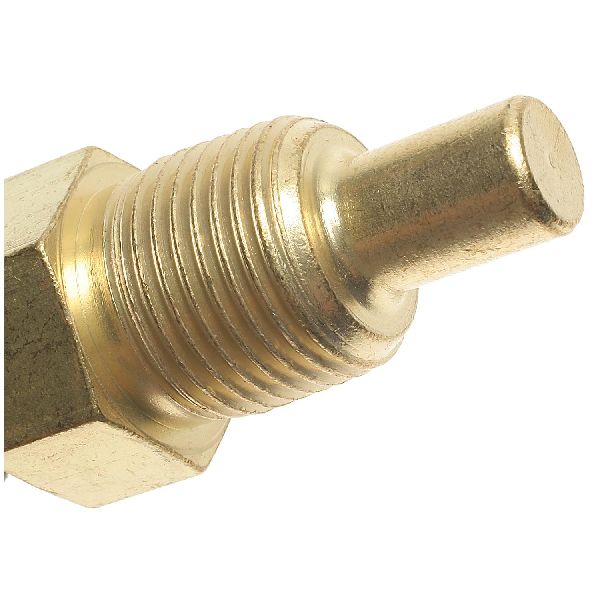
Typically features a brass body with a 2-pin oval connector. Common thread sizes include M12x1.5.
We Have This Part in Stock



The information in this article is provided for general reference and educational purposes only. Vehicle specifications, procedures, and part compatibility can vary by production date, trim level, and region. Always consult your vehicle's factory service manual and verify part numbers before purchasing or performing repairs. Safety-critical components such as airbags, seat belts, and braking systems should be installed by a qualified professional.
- Chevrolet Lumina: