

Acura Integra Radiator: A Guide for the 1990-2002 Generations
Keep your Integra's engine cool and prevent overheating with the right replacement radiator.
- The most common failure is cracks in the original plastic end tanks due to age.
- For most owners, a quality OEM-style replacement from a brand like Denso is an excellent choice.
- Performance brands like Koyorad, CSF, and Mishimoto offer improved cooling but may require slim fans for proper fitment.
- Always verify if a radiator is compatible with your transmission type (manual vs. automatic).
Is Your Integra's Radiator Failing?
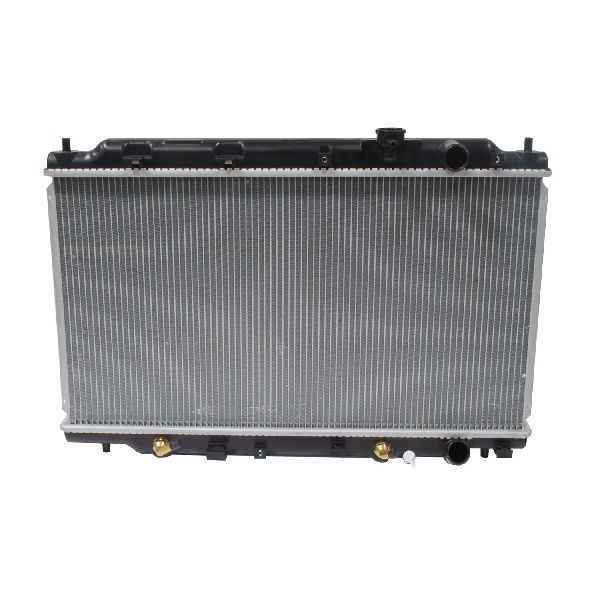
After decades of heating up and cooling down, the original radiator in a 1990-2002 Acura Integra is a common failure point. The most frequent issue is the development of cracks in the plastic end tanks where they are crimped to the aluminum center section, or core. This allows coolant to leak out, leading to overheating. Look for puddles of green, pink, or yellow fluid under the front of your car, a temperature gauge that reads higher than normal, or visible white crusty residue on the radiator itself.
Choosing the Right Aftermarket Radiator
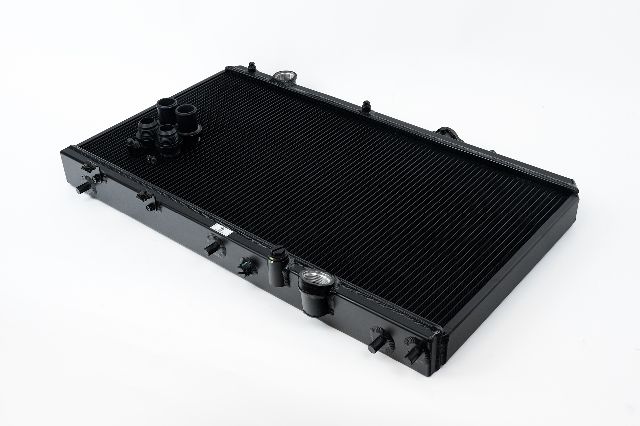
When shopping for a new radiator, you have two main choices: an OEM-style replacement or a full-aluminum performance radiator. For a stock daily driver, a quality OEM-style replacement is more than enough. If your Integra is modified for more power or sees track use, a performance radiator offers better cooling and durability.
Brand Quality Tiers
Not all aftermarket brands are created equal. Here’s how the available brands generally stack up based on owner experiences and reputation:
- OEM-Quality & Premium Aftermarket: These brands are known for excellent fit and reliability, often meeting or exceeding original factory specs. Denso was an original equipment manufacturer for Acura. Koyorad and CSF are highly respected premium brands with options for both stock replacement and performance.
- Denso
- Koyorad
- CSF
- Nissens
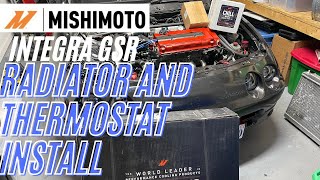
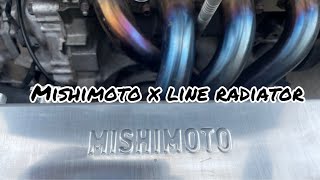
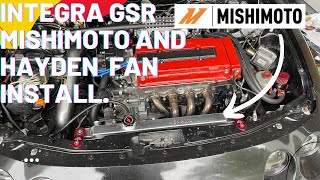
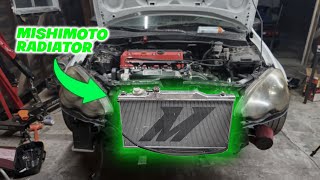
- Performance-Focused: These brands specialize in all-aluminum radiators designed for high-performance and racing applications. They offer superior cooling but may require modifications, like slim fans, to fit. Mishimoto has mixed reviews regarding leaks, 🎬 Watch a detailed installation guide for Mishimoto performance radiators. but offers a lifetime warranty.
- Mishimoto
- Skunk2 Racing
- Standard Replacement / Economy: These brands offer affordable, functional replacements suitable for budget-conscious repairs. Quality and longevity can be inconsistent compared to premium brands.
- Spectra
- APDI
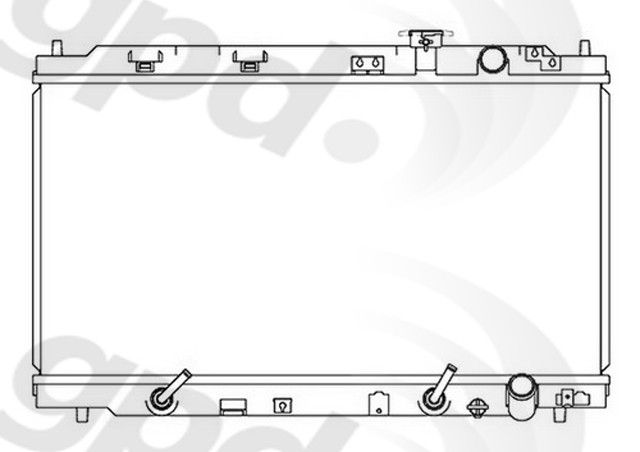
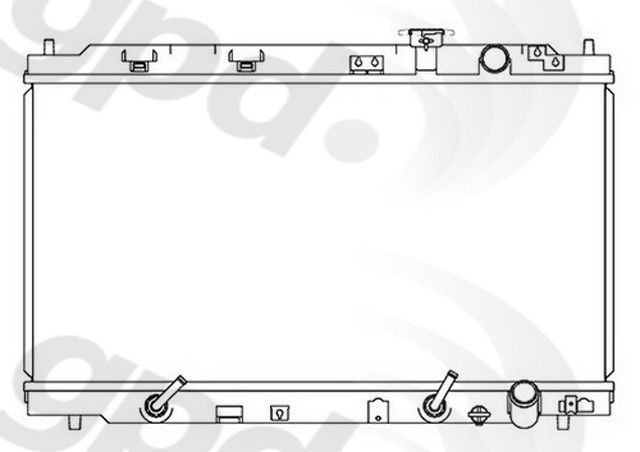
- Global Parts
- One Stop Solutions
- Onix
Cost of Replacing an Acura Integra Radiator
| Part Type | Estimated Cost |
|---|---|
| New Aftermarket Radiator | $47.99 - $465.00 |
| Shop Labor | $150 - $250 |
| Total Estimated Cost | $197.99 - $715.00 |
Cost estimates are for parts and labor and can vary by location and vehicle condition. The wide part price range reflects the difference between standard and high-performance all-aluminum models.
Frequently Asked Questions (FAQ)
Do I need a different radiator for an automatic transmission?
Yes. Radiators for automatic Integras have a built-in cooler for the transmission fluid. Many aftermarket radiators are universal and include this cooler; if you have a manual transmission, you simply leave the cooler ports unconnected. However, many all-aluminum performance radiators are made for manual transmissions only. If you have an automatic and want to use one of these, you must install a separate, external transmission cooler.
Will my stock fans fit on an aftermarket radiator?
For most OEM-style replacements like Denso, your stock fans and shroud will bolt on directly. For thicker, all-aluminum performance radiators like Mishimoto or Skunk2, you may run into clearance issues, especially with aftermarket exhaust headers. This might require you to use slimmer aftermarket fans. Some performance brands like Koyorad are known for providing mounting points for the factory fans.
Are there any recalls on the 1990-2002 Integra radiator?
No, there are no specific recalls or Technical Service Bulletins (TSBs) from Acura for radiator failure on this generation of Integra. The common problems are caused by the age and normal wear of the original parts.
How difficult is it to replace the radiator myself?
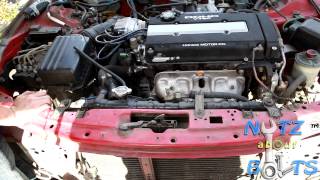
Replacing the radiator on a 1990-2002 Integra is a straightforward job that many owners can do at home with basic tools. The process involves draining the coolant, removing the hoses and fans, swapping the radiator, and refilling the system. 🎬 Watch this step-by-step guide to replacing your Integra's radiator. The most critical step is to properly bleed all the air from the cooling system afterward to prevent overheating.
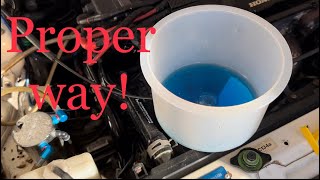
🎬 See how to properly bleed air from your cooling system.Helpful Videos


Technical Specifications
OEM Part Numbers: 19010-P72-003 19010-P72-515 19010-P72-9030 19010-P72-A03 19010-PR3-033
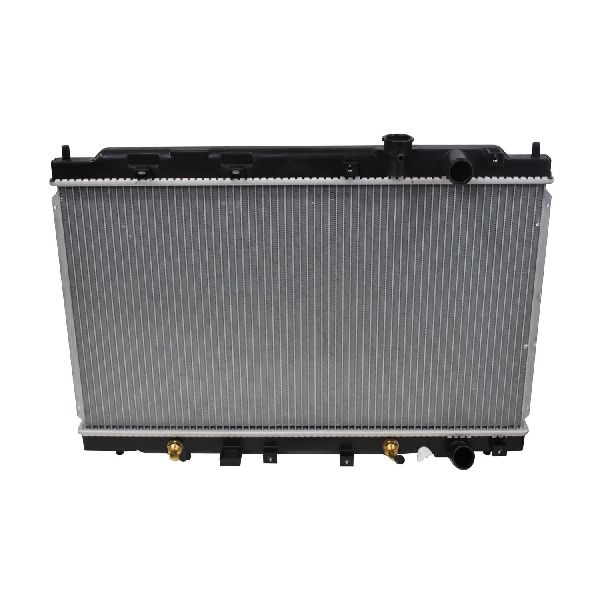
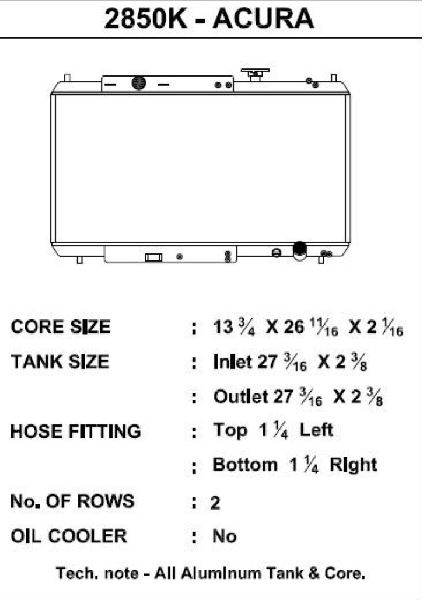
Core Material: Aluminum, Tank Material: Plastic (OEM-style) or Aluminum (Performance). Radiators for automatic transmission models include an integrated transmission oil cooler.
We Have This Part in Stock

The information in this article is provided for general reference and educational purposes only. Vehicle specifications, procedures, and part compatibility can vary by production date, trim level, and region. Always consult your vehicle's factory service manual and verify part numbers before purchasing or performing repairs. Safety-critical components such as airbags, seat belts, and braking systems should be installed by a qualified professional.
- Acura Integra: