

Ford Ranger Starter Motor: A Guide for 1990-2002 Models
Don't get stranded by a bad starter; here's what you need to know to get your Ranger cranking again.
- A clicking sound or slow crank are the most common signs of a failing starter on a Ranger.
- Always check the battery and its connections first; problems there can mimic starter failure.
- For reliability, choose a new or remanufactured starter from a known brand like Motorcraft or ACDelco.
- Replacing the starter is a feasible DIY job for most owners, typically requiring 1-2 hours.
Is Your Ranger's Starter Failing?

A starter motor usually gives a few warnings before it completely fails. If your Ford Ranger is showing any of these signs, it's time to pay attention before you get stuck in a parking lot.
Common Failure Symptoms
- Single, Loud Click: You turn the key, and all you hear is one loud "click" from the engine bay, but the engine doesn't turn over. This often points to a bad starter solenoid, which is part of the starter assembly.
- Rapid Clicking Noise: A series of fast clicks when trying to start can sometimes be a weak battery, but if you know the battery is good, it often means the starter isn't getting enough power to turn the engine.
- Slow, Labored Cranking: If the engine turns over much slower than usual, like it's struggling, the starter motor could be wearing out and drawing too much power.
- Grinding or Whirring Noise: A harsh grinding sound during or after starting can mean the starter's gear is not meshing correctly with the engine's flywheel or is failing to disengage. This can cause serious damage if ignored.
- Intermittent Starting: The truck starts fine one day but refuses to crank the next. This is a classic sign of a starter on its last legs. Tapping the starter with a hammer can sometimes get it to work one last time, confirming the starter is the issue.
- No Sound at All: If your dash lights come on but there's no click and no crank, the starter could be completely dead.
Choosing the Right Aftermarket Starter

When replacing the starter on your 1990-2002 Ranger, you have a few options. While you can go to a dealer for a new OEM part, the aftermarket offers quality parts that can save you money. It's important to know that not all aftermarket brands are created equal.
Aftermarket Brand Tiers for Ford Ranger
| Brand | Tier & Quality Assessment |
|---|---|
| Motorcraft | OEM (Original Equipment Manufacturer): This is Ford's own brand. A Motorcraft starter, even a remanufactured one, is generally considered a reliable, direct-fit replacement that meets original factory specifications. You can't go wrong with Motorcraft, but it's often the most expensive option. |
| ACDelco | Premium Aftermarket: While often associated with GM, ACDelco produces high-quality parts for many vehicles, including the Ford Ranger. Owners generally report good experiences with their "Gold" series parts, which are built to OE standards. A solid choice if you're looking for reliability comparable to OEM without the highest price tag. |
| Powermaster | High-Performance / Heavy-Duty: Powermaster specializes in high-torque and performance starters. For a stock or lightly modified Ranger, this might be overkill, but they are known for powerful, reliable cranking, especially in cold weather or with high-compression engines. They are a premium option and priced accordingly. |
| MPA (Motorcar Parts of America) | Standard Aftermarket / Remanufacturer: MPA is a large manufacturer that produces new and remanufactured starters, often under the "Quality-Built" brand name. These are widely available at parts stores and offer a good balance of value and performance for a daily-driven truck. They are a common, budget-friendly choice that gets the job done. |
A Note on "Remanufactured" vs. "New"
Don't be afraid of a quality remanufactured starter from a reputable brand like Motorcraft or ACDelco. These units have their internal wear components (like brushes, bushings, and solenoids) replaced with new parts and are tested to meet original specifications. However, some owners prefer a brand-new aftermarket part to avoid any potential issues with a reused housing, and forum users often express caution about cheap, unbranded remanufactured parts from chain stores.
Known Issues, Recalls, and Service Bulletins

For the 1990-2002 model years, there are no specific recalls or widespread Technical Service Bulletins (TSBs) directly related to starter motor failure. Failures on these trucks are typically due to age, mileage, and wear. However, related issues can sometimes mimic starter problems:
- Corroded Battery Terminals/Cables: A common issue on older trucks. Poor connections can prevent the starter from getting the power it needs, causing clicking or slow cranking. Always check and clean your battery connections first.
- Fender-Mounted Solenoid/Relay: On some earlier models, Ford used a solenoid on the fender in addition to the one on the starter itself. If you hear a click from the fender but not the starter, this relay could be the problem.
Frequently Asked Questions (FAQ)
Is replacing a Ranger starter a DIY job?
Yes, for most home mechanics with a decent set of tools, this is a manageable job. 🎬 Watch this step-by-step guide to replacing your Ranger's starter motor. The starter is typically held on by two or three bolts and is accessible from underneath the truck. On 4x4 models, the front differential can make access a little tighter. The most important step is to disconnect the negative battery terminal before you begin.
How long does it take to replace a Ford Ranger starter?
For someone with experience, it can take as little as 30-45 minutes. For a first-timer, plan on 1 to 2 hours to safely lift the vehicle, remove the old starter, and install the new one.
Do I need a special starter for my engine (2.3L, 3.0L, 4.0L)?
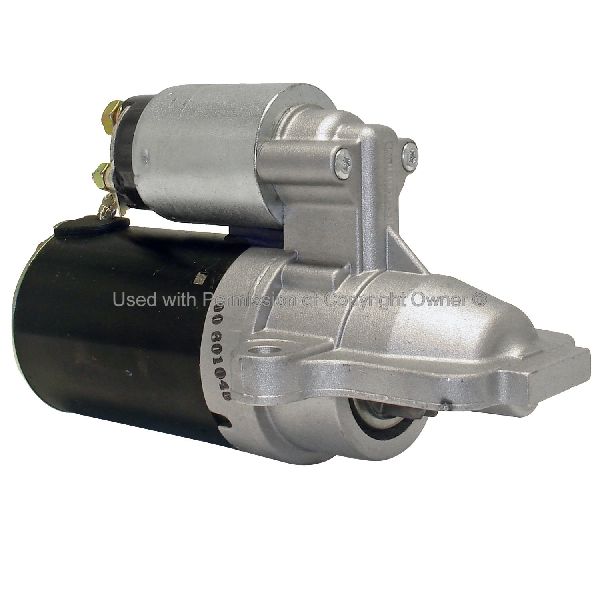
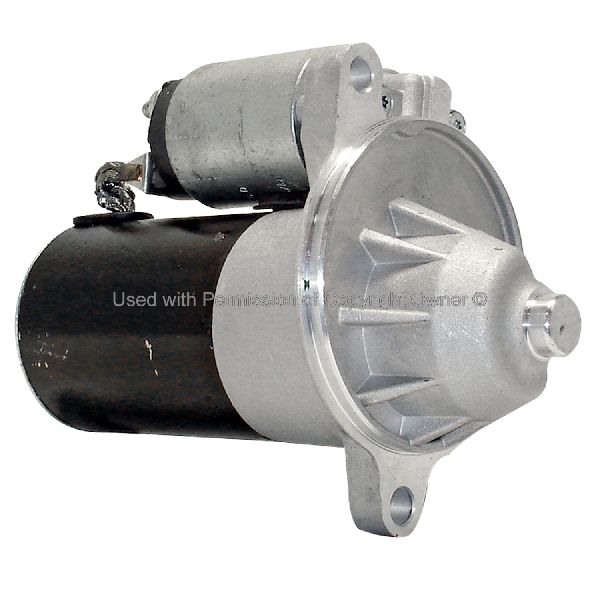
Yes, it is very important to get the correct starter for your specific engine, year, and transmission type (manual or automatic). While they may look similar, the mounting points or gear housing can be different. Always use a vehicle lookup tool when buying to ensure a perfect fit.
🎬 See how to swap the engine starter on 1997-2004 models.What's the first thing I should check if my truck won't start?
Before blaming the starter, always check the battery. Make sure it's charged and that the cable connections are clean and tight. Many starter problems are actually battery problems in disguise. If the battery is over three years old, have it tested at an auto parts store.
Helpful Videos
Technical Specifications
OEM Part Numbers: F0TZ-11002-BRM
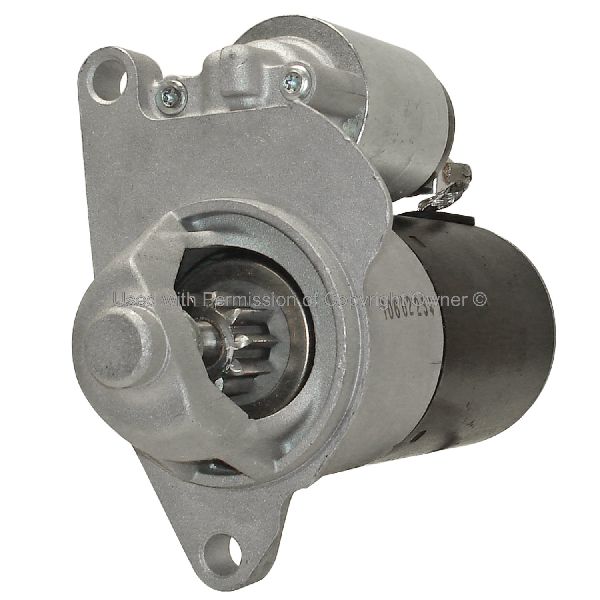
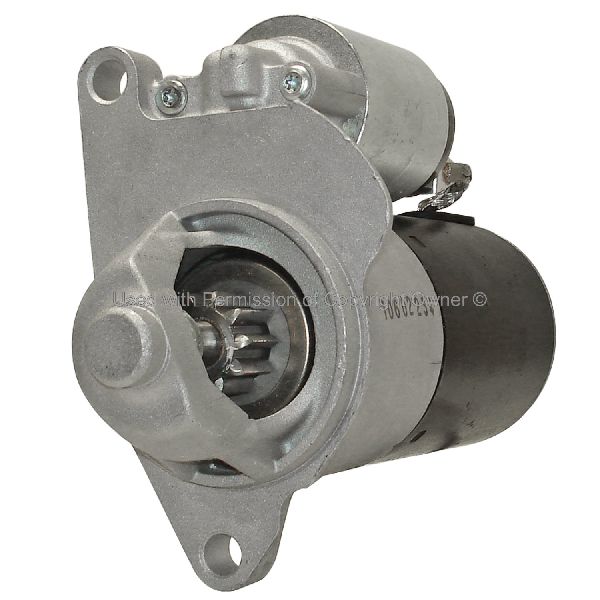
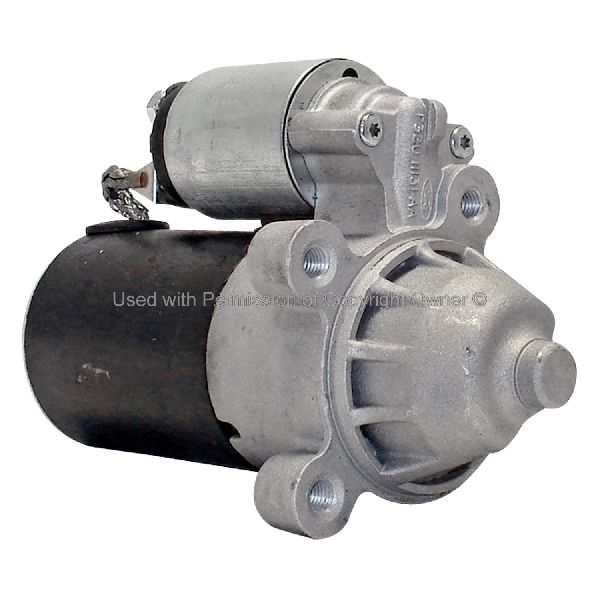
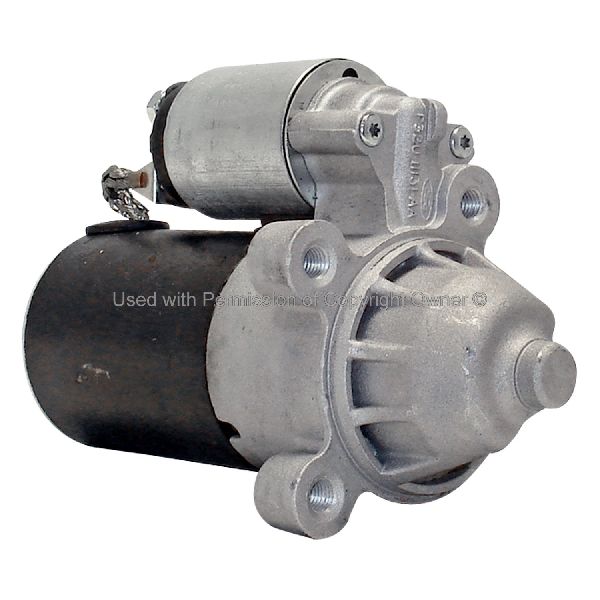
Varies by engine and model year. Most are 12-volt, direct-drive units with a top-mounted solenoid. It is critical to match the part to the vehicle's specific engine (2.3L, 2.5L, 3.0L, 4.0L), transmission, and drivetrain (2WD/4WD).
We Have This Part in Stock

The information in this article is provided for general reference and educational purposes only. Vehicle specifications, procedures, and part compatibility can vary by production date, trim level, and region. Always consult your vehicle's factory service manual and verify part numbers before purchasing or performing repairs. Safety-critical components such as airbags, seat belts, and braking systems should be installed by a qualified professional.
- Ford Ranger:
- 🎬 Helpful Videos
- 🛍️ Shop This Part
- Is Your Ranger's Starter Failing?
- Common Failure Symptoms
- Choosing the Right Aftermarket Starter
- Aftermarket Brand Tiers for Ford Ranger
- A Note on "Remanufactured" vs. "New"
- Known Issues, Recalls, and Service Bulletins
- Frequently Asked Questions (FAQ)
- 🎟️ Get 5% Off