

Jeep Cherokee XJ Disc Brake Caliper Guide (1990-2002)
Everything a Cherokee owner needs to know about replacing failing or sticking front brake calipers.
- Sticking calipers are a very common problem on 1990-2002 Cherokees; symptoms include pulling, burning smells, and uneven pad wear.
- Always replace calipers in pairs to maintain balanced braking.
- When replacing calipers, inspect the flexible brake hoses and steering knuckle for related issues like internal collapse or worn pad guides.
- New aftermarket calipers are a readily available and reliable choice; consider brands like Powerstop for upgrades or Crown/Raybestos for quality stock replacements.
Is Your Cherokee's Caliper Failing?
A bad brake caliper isn't just an inconvenience; it's a serious safety issue. The most common failure on an older Jeep Cherokee is a sticking or seized caliper. This happens when the caliper piston gets stuck due to corrosion or debris, or the slide pins freeze up. When it sticks, it can either fail to apply pressure or, more dangerously, fail to release pressure on the rotor.
Common Failure Symptoms
- Vehicle Pulling: Your Jeep pulls to one side while driving or braking. A caliper that's stuck closed will make it pull toward that side.
- Burning Smell: A strong, hot, metallic smell from one of the front wheels after driving is a classic sign of a dragging brake.
- Smoke from Wheel Well: In severe cases, the constant friction can heat the brake components enough to cause smoke.
- Uneven Brake Pad Wear: When you inspect your brakes, if the pad on one side is significantly more worn than the other, the caliper is likely the culprit.
- Brake Fluid Leak: Puddles of yellowish, oily fluid near your front wheel indicate a failed caliper seal. This is a critical failure.
A Note on Sticking Brakes
While a seized caliper is a very common problem, other issues can cause similar symptoms on an XJ. A collapsed flexible rubber brake hose can act like a one-way valve, trapping pressure and causing the caliper to stick. Also, over time, grooves can wear into the steering knuckle where the brake pads slide. These grooves can cause the pads to hang up, mimicking a stuck caliper. Always inspect the hoses and knuckles during a caliper replacement.
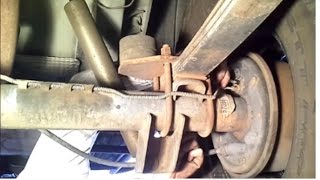
🎬 Watch this guide on diagnosing and replacing stuck calipers and hoses.Choosing the Right Aftermarket Caliper
For a 1990-2002 Cherokee, buying a new aftermarket caliper is often a better choice than trying to find a new OEM part, which can be difficult and expensive. Aftermarket brands offer good quality, often with improvements over the original design.
Brand & Quality Tiers
Not all aftermarket brands are the same. Here’s a breakdown of the brands available for your XJ:
- Performance Upgrade (Powerstop): Powerstop is known for performance-oriented brake components. Their calipers often come powder-coated (usually red) for corrosion resistance and a custom look. They are considered a high-quality option and are often sold in kits with pads and rotors.
- Jeep Specialists (Crown, Omix-Ada): Crown Automotive and Omix-Ada specialize in Jeep replacement parts. They aim for OEM-style fit and function. Forum discussions suggest Crown often has a slight edge in fit and quality over Omix-Ada, but both are considered reliable choices for a stock replacement.
- Reputable Aftermarket (Raybestos, ACDelco, Dynamic Friction): These are well-known brands in the auto parts industry. They provide reliable, standard replacement calipers that meet or exceed original specifications. You can generally trust these brands for a quality repair without the higher cost of performance or specialist parts. 🎬 See a step-by-step walkthrough of the front caliper replacement process.
- Budget-Focused (Cardone, BBB Industries): Cardone is one of the largest remanufacturers, but they also offer new product lines. While their parts are budget-friendly, quality can sometimes be inconsistent according to user feedback. They represent a viable option if cost is the primary concern.
Phenolic vs. Steel Pistons
When shopping, you'll see options for calipers with phenolic (a type of composite plastic) or steel pistons. Original calipers on many Cherokees used phenolic pistons. Phenolic pistons don't rust and transfer less heat to the brake fluid. Steel pistons are stronger and better at dissipating heat away from the pad to reduce fade, but they can corrode if brake fluid isn't changed regularly. For most daily driving and light off-road use, either is fine, but many owners prefer to upgrade to steel for durability.
Aftermarket Caliper Cost for 1990-2002 Jeep Cherokee
| Part Type | Typical Price Range (per caliper) | Notes |
|---|---|---|
| New Aftermarket | $32 - $110 | Price varies by brand, piston material, and whether hardware is included. |
| Remanufactured Aftermarket | $25 - $70 + Core Charge | A common, cost-effective option. Quality can vary. |
| New OEM (Mopar) | $150+ (if available) | Often discontinued or very difficult to find for this age of vehicle. |
Frequently Asked Questions
Should I replace my brake calipers in pairs?
Yes, always. Brakes are a safety system that relies on balance. Replacing only one caliper can cause the vehicle to pull to one side during braking because the new caliper will function more efficiently than the old one on the other side. It's also likely that if one caliper has failed due to age, the other is not far behind.
Do new calipers come with mounting brackets or hardware?
It depends on the brand and the specific part number. Many new calipers come with new slide pins, boots, and banjo bolts. However, the main mounting bracket (the part that bolts to the knuckle) is almost always reused. Always check the product description to see what's included.
What is a 'core charge?'
A core charge is a deposit you pay when buying a remanufactured part. You get this deposit back when you return your old, rebuildable caliper. This practice doesn't typically apply to new aftermarket parts, but it's very common with remanufactured calipers from brands like Cardone or Raybestos.
Do I need to bleed the brakes after replacing a caliper?
Absolutely. When you disconnect the brake hose from the caliper, air enters the hydraulic system. Air in the lines will cause a spongy or soft brake pedal and severely reduce braking power. You must bleed the brake system to remove all air after the new caliper is installed.
🎬 Learn how to properly bleed your brakes after installing new calipers.Helpful Videos
Technical Specifications
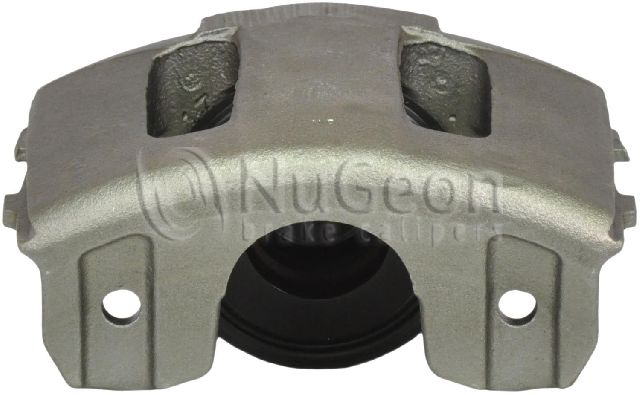
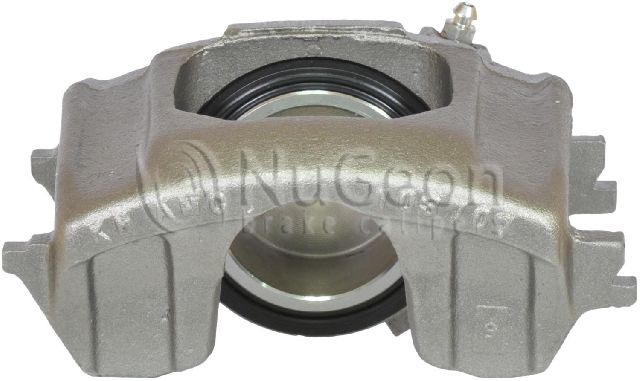
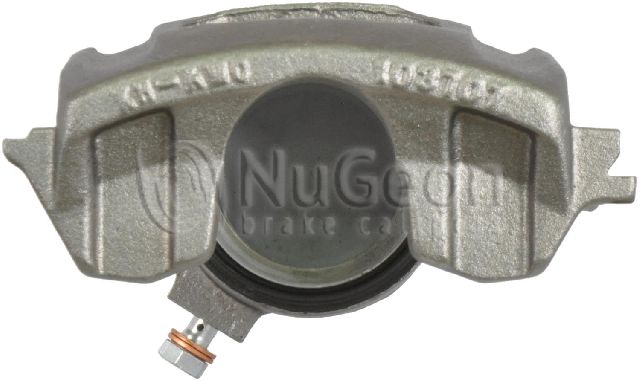
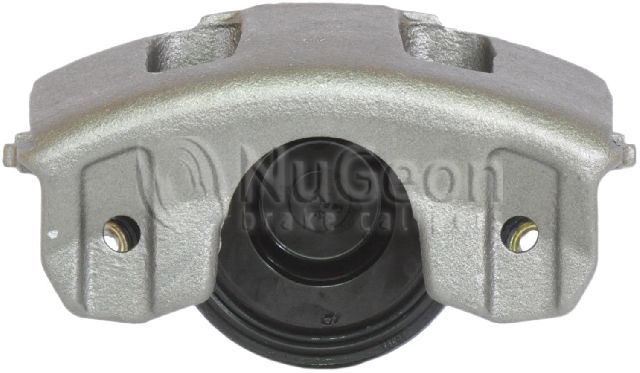
Brake Caliper Type: Single Piston Floating Caliper. Piston Material Options: Phenolic (OEM style) or Steel (Aftermarket option).
We Have This Part in Stock

The information in this article is provided for general reference and educational purposes only. Vehicle specifications, procedures, and part compatibility can vary by production date, trim level, and region. Always consult your vehicle's factory service manual and verify part numbers before purchasing or performing repairs. Safety-critical components such as airbags, seat belts, and braking systems should be installed by a qualified professional.
- Jeep Cherokee:
- 🎬 Helpful Videos
- 🛍️ Shop This Part
- Is Your Cherokee's Caliper Failing?
- Common Failure Symptoms
- A Note on Sticking Brakes
- Choosing the Right Aftermarket Caliper
- Brand & Quality Tiers
- Phenolic vs. Steel Pistons
- Aftermarket Caliper Cost for 1990-2002 Jeep Cherokee
- Frequently Asked Questions
- 🎟️ Get 5% Off