

Choosing Front Disc Brake Pads for Your 1990-2002 Jeep Cherokee XJ
Improve your XJ's stopping power and reduce noise by selecting the right brake pads for how you drive.
- Choose pads based on your driving style: semi-metallic for heavy use and towing, ceramic for quiet daily driving.
- For best results, always replace brake rotors at the same time as the pads.
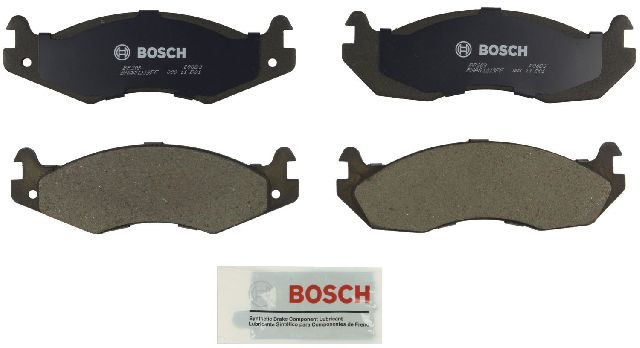
- Owners often recommend brands like PowerStop, Wagner, Raybestos, and Bosch for a good balance of quality and value.
- During installation, check for and clean any grooves on the steering knuckle where the pads slide to prevent uneven wear.
Signs of Worn Brake Pads
Your Jeep will give you clear signs when the brake pads are getting low. Ignoring them can lead to more expensive repairs, like needing new rotors or calipers. Look out for these symptoms:
- Squealing or Screeching Noises: Most brake pads have a small metal tab called a wear indicator. When the pad wears down, this tab scrapes against the rotor, making a high-pitched noise when you brake.
- Grinding Sounds: If you hear a deep, metallic grinding, it means the pad material is completely gone. This is a serious issue, as it's now metal-on-metal contact, which quickly destroys your rotors.
- Longer Stopping Distances: If you notice your Cherokee takes longer to stop than it used to, your pads may be too thin to create effective friction.
- Vibrating Brake Pedal: A pulsing or vibrating feeling in the brake pedal can be a sign of worn-out pads or warped rotors.
Choosing the Right Aftermarket Brake Pads for Your XJ
The original brakes on the Cherokee XJ are known to be adequate at best, so aftermarket pads can offer a noticeable improvement. The best choice depends entirely on how you use your Jeep. Pads are generally made from semi-metallic or ceramic compounds.
Brake Pad Tiers for Jeep Cherokee XJ
| Tier | Common Brands | Best For | Pros | Cons |
|---|---|---|---|---|
| Daily Driver / Economy | Wagner, Raybestos, Centric, Pronto, Dynamic Friction | Stock Cherokees used for regular commuting. | Affordable, meet or exceed OEM specs, widely available. | Basic performance, may create more dust than premium options. |
| Premium / OEM-Style | Bosch QuietCast, Akebono, Brembo, PowerStop | Owners wanting quiet, low-dust performance for daily driving. | Very quiet operation, low brake dust to keep wheels clean, smooth stopping. | Higher initial cost, may not be ideal for heavy towing or aggressive off-roading. |
| Performance / Heavy-Duty | Hawk, EBC Brakes (Greenstuff, Yellowstuff), PowerStop Z36 Truck & Tow | Lifted Jeeps with large tires, towing, or aggressive off-road use. | Significantly improved stopping power, better heat resistance, great bite. | Can be noisy, produce more dust, and may wear rotors faster. |
| Jeep-Specific | Crown Automotive, Omix-Ada | Owners looking for direct, stock-style replacement parts. | Parts designed specifically for Jeeps, wide availability of components. | Quality can be inconsistent; generally considered OEM-quality or slightly below. |
A Note on Known Issues
Some owners report that grooves can wear into the steering knuckle where the brake pads slide. If these grooves are present, new pads can hang up, causing uneven wear or noise. It's good practice to clean and lubricate these contact points with high-temperature brake grease during installation.
🎬 Watch a quick walkthrough of the brake pad replacement process.Frequently Asked Questions (FAQ)
What's the difference between ceramic and semi-metallic pads for my Cherokee?
Ceramic pads are quiet, produce very little dust, and are gentle on your brake rotors. They are great for daily driving. Semi-metallic pads offer better performance in heavy-duty situations like towing or off-roading, as they handle heat better and provide a stronger "bite". However, they can be noisier and create more dust. For a stock or lightly modified XJ, many owners find semi-metallic pads to be a good all-around choice.
Do I need to replace my rotors when I replace my pads?
It is highly recommended. While you can sometimes reuse rotors if they are in excellent condition (not warped and within thickness specifications), installing new pads on a worn or uneven rotor surface can cause noise, vibration, and reduced pad life. Since rotors for the XJ are relatively inexpensive, replacing them with the pads is a cost-effective way to ensure a perfect brake job.
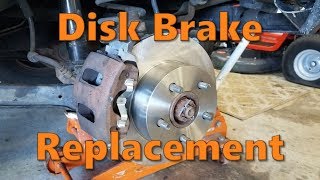
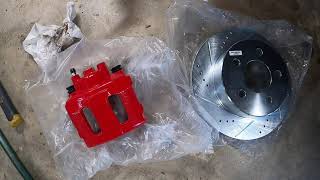
🎬 See a detailed installation of new front pads and rotors.How difficult is it to replace the front brake pads on a 1990-2002 Cherokee?
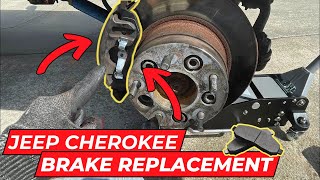
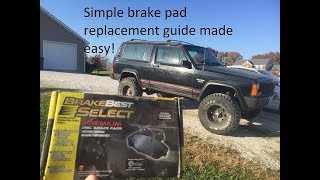
Replacing the front brake pads and rotors is a straightforward job for a DIY mechanic with basic tools. The process involves jacking up the vehicle, removing the wheel, unbolting the caliper, compressing the caliper piston, and swapping the old pads and rotor for the new ones. The entire job can typically be done in 1-2 hours.
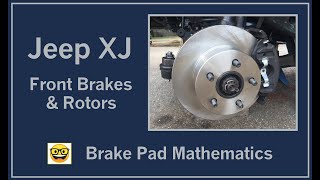
🎬 Watch this step-by-step guide to replacing your XJ front brakes.Were there any recalls for the 1990-2002 Cherokee brakes?
Yes, there was a recall for 1990-1991 Jeep Cherokees equipped with ABS. The issue involved a high-pressure hose that could leak, leading to a loss of brake assist. However, this recall did not involve the brake pads themselves. No other major brake pad recalls were found for the 1990-2002 model years.
Helpful Videos
Technical Specifications
OEM Part Numbers: 5252882
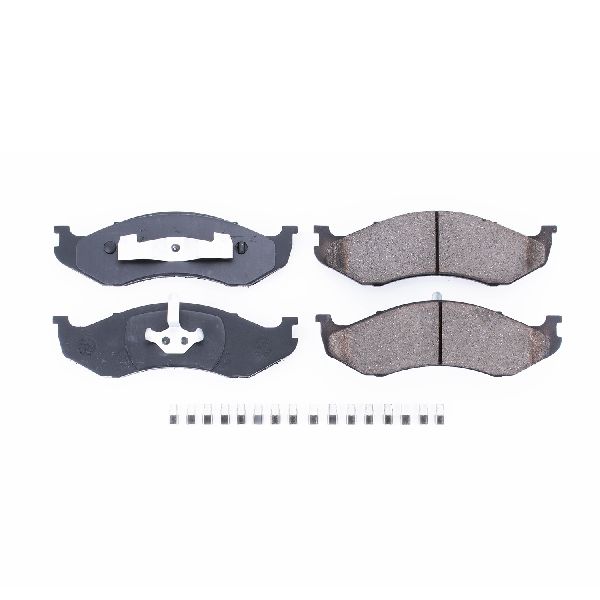
The key specification when choosing a brake pad set is the friction material compound. The two primary types available are semi-metallic and ceramic. The choice between them depends on the vehicle's intended use—daily driving, towing, or off-roading.
We Have This Part in Stock
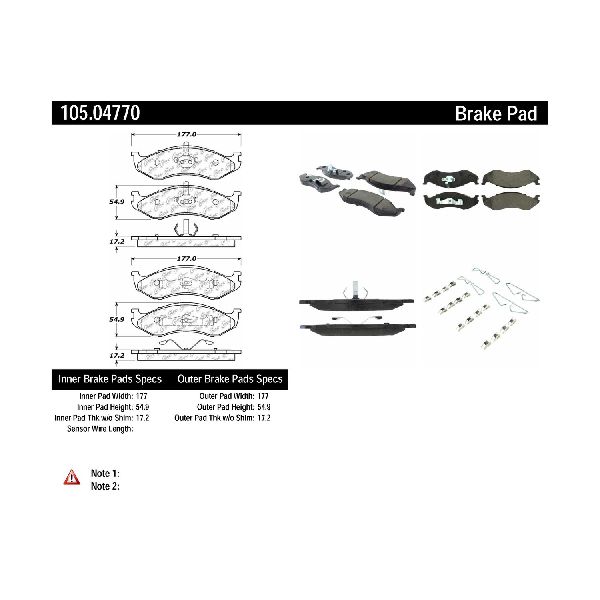
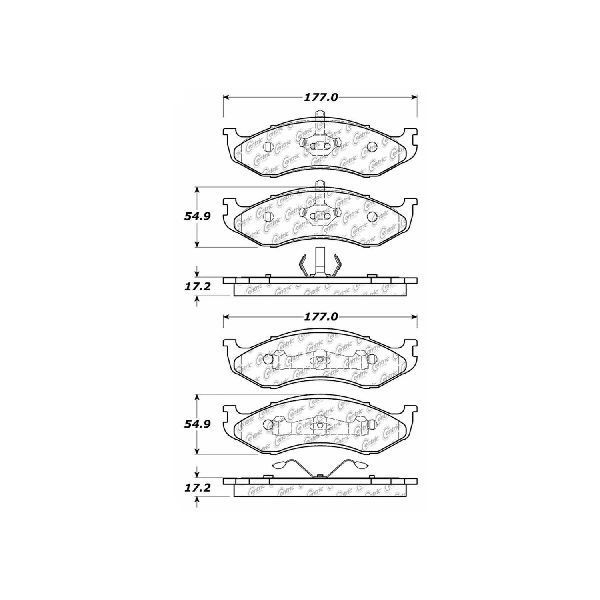
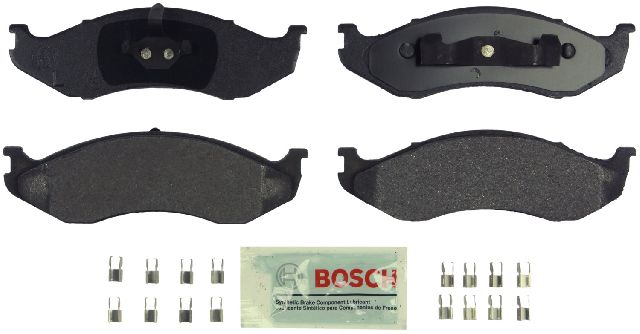
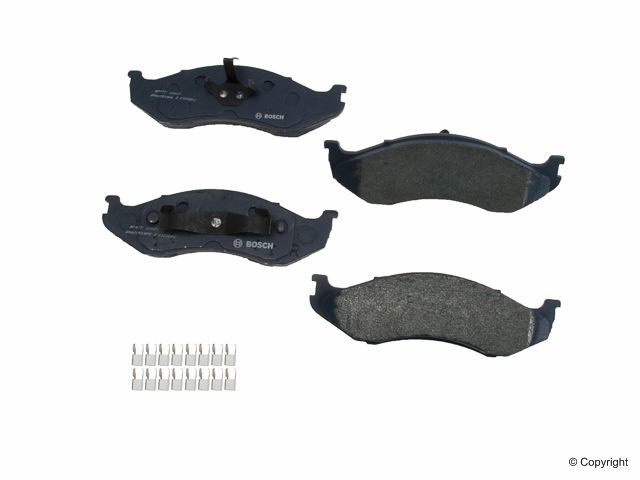

The information in this article is provided for general reference and educational purposes only. Vehicle specifications, procedures, and part compatibility can vary by production date, trim level, and region. Always consult your vehicle's factory service manual and verify part numbers before purchasing or performing repairs. Safety-critical components such as airbags, seat belts, and braking systems should be installed by a qualified professional.
- Jeep Cherokee: