

Mercury Cougar Accessory Drive Belt: A Replacement Guide for 1990-2002 Models
Understanding the accessory drive belt in your 1990-2002 Cougar is key to preventing breakdowns and costly repairs.
- Identify your Cougar generation (1990-97 RWD vs. 1999-02 FWD) to get the correct belt.
- Squealing noises are the first and most common warning sign of a failing belt; do not ignore them.
- A broken belt will disable your car. If it drives the water pump, it can cause rapid overheating and engine damage.
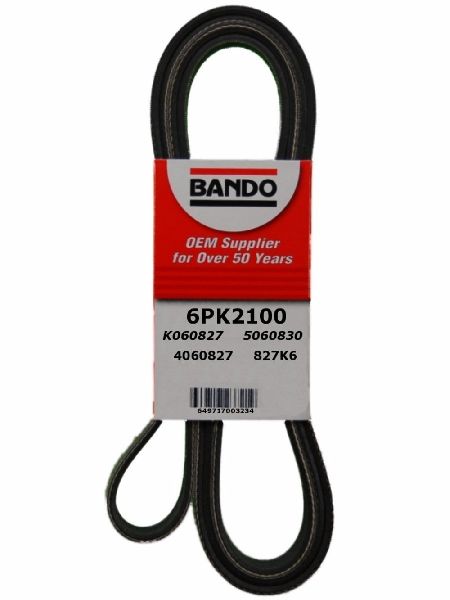
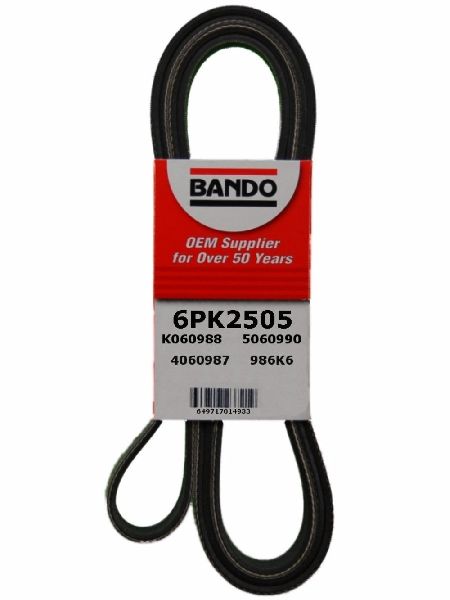
- Aftermarket brands like Bando, Mitsuboshi, and ACDelco are reliable, high-quality choices for this part.
Understanding Your Cougar's Two Generations
The 1990-2002 Mercury Cougar spans two very different vehicle platforms, which affects part selection. It's crucial to know which Cougar you own:
- Eighth Generation (1990-1997): These are rear-wheel-drive (RWD) coupes, often with 3.8L V6 or 4.6L V8 engines. The accessory belt system is distinct for this platform.
- Ninth Generation (1999-2002): These are front-wheel-drive (FWD) sport compacts, typically with a 2.0L I4 or 2.5L V6 engine. They use a different belt and routing. Note: There was no 1998 model year.
Always confirm your vehicle's year and engine to ensure you purchase the correct belt.
Symptoms of a Failing Accessory Drive Belt
A failing belt will almost always give warning signs before it breaks completely. Ignoring these can leave you stranded.
- Squealing or Chirping Noises: This is the most common symptom. A high-pitched squeal, especially on startup or during sharp turns, indicates the belt is slipping.
- Visible Wear: Inspect the belt for cracks, fraying, missing chunks, or a glazed, shiny appearance on the surface. If cracks are visible every few centimeters, the belt has reached the end of its life.
- Accessory Issues: Dimming headlights, a battery warning light, difficulty steering, or poor air conditioning performance can all be caused by a slipping or damaged belt.
- Engine Overheating: If your temperature gauge suddenly climbs, it could be because a failed belt has stopped turning the water pump.
Choosing the Right Aftermarket Belt
For a vehicle like the 1990-2002 Cougar, high-quality aftermarket belts offer excellent performance, often meeting or exceeding original equipment (OE) standards. OEM-branded parts are often manufactured by the same companies that produce top-tier aftermarket belts.
Here's a look at the available brands:
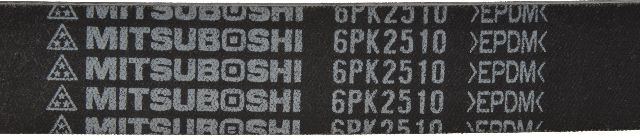
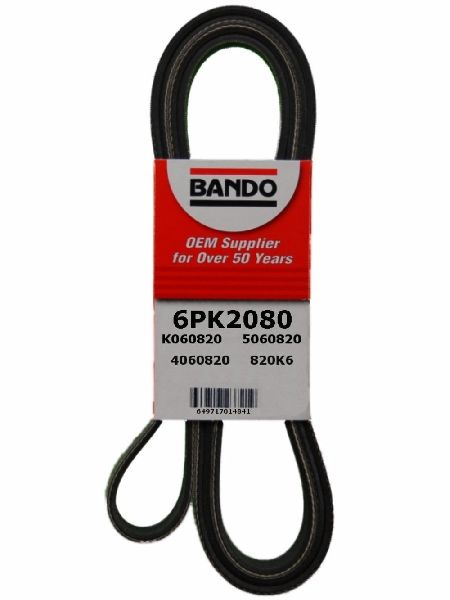
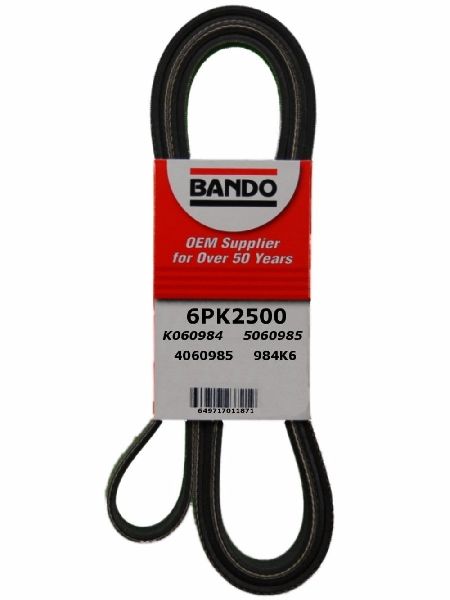
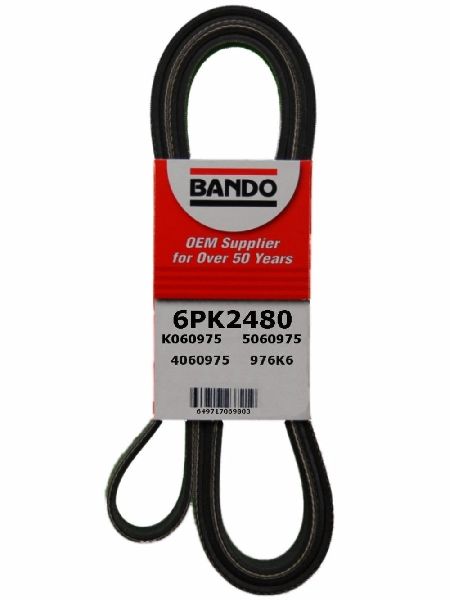
- Bando & Mitsuboshi: Both are highly respected Japanese manufacturers that are often the original equipment supplier for many automakers. They are known for their durability and precise fit. Choosing either Bando or Mitsuboshi is a solid choice for reliability.
- ACDelco: A well-known brand that offers several tiers of quality. Their professional-grade belts are made from durable EPDM rubber to resist heat and cracking, making them a reliable option. ACDelco is a trusted name in the aftermarket and a good choice for your Cougar.
Known Issues, Recalls, and TSBs
Searches for recalls and Technical Service Bulletins (TSBs) for the 1990-2002 Mercury Cougar did not reveal any specific issues directly related to the accessory drive belt itself. However, a recall was issued for some 1990 models with 3.8L engines where the battery-to-starter cable was too long and could contact the engine damper pulley, potentially wearing through and causing a short. While not a belt issue, it involves a component in the same area. No widespread, belt-specific factory defects have been officially documented for this vehicle range.
Estimated Replacement Costs
The cost to replace an accessory drive belt can vary based on your vehicle's engine and your location. The part itself is affordable, with labor making up a significant portion of the cost if you have a mechanic perform the work.
| Item | Estimated Cost |
|---|---|
| New Aftermarket Accessory Drive Belt | $34.24 - $82.74 |
| Shop Labor | $67 - $98 |
| Total Professional Replacement | $112 - $155+ |
Frequently Asked Questions (FAQ)
Can I drive my Cougar with a bad accessory belt?
It is not recommended. If the belt is only squealing, you might be able to drive a short distance, but a complete failure will disable your car and could lead to engine damage from overheating. It's best to replace it as soon as you notice symptoms.
How often should the accessory drive belt be replaced?
There is no universal interval, but a general guideline is to inspect the belt at every oil change and plan for replacement every 50,000 miles or so, or whenever it shows signs of wear like cracking or fraying.
Is replacing the accessory belt a DIY job?
For many home mechanics, yes. The key is having the correct belt routing diagram for your specific engine and a tool to release the tension on the belt tensioner (often a 3/8" breaker bar or ratchet). Access can be tight, but it is a manageable job for those with basic tools.
What's the difference between a serpentine belt and a timing belt?
The serpentine (or accessory drive) belt runs on the outside of the engine to power accessories. A timing belt or chain is located inside the engine and synchronizes the crankshaft and camshafts. Timing belt failure causes catastrophic engine damage, while a serpentine belt failure will disable the car but won't destroy the engine if you stop immediately.
Technical Specifications
OEM Part Numbers: F1SZ8620B F2UZ8620J F4SZ8620B F4SZ8620D F5SZ8620DA
Varies by engine. Belts are multi-rib (serpentine) design made of EPDM rubber. Length and number of ribs are specific to the engine and accessory configuration (with/without A/C, etc.).
We Have This Part in Stock

The information in this article is provided for general reference and educational purposes only. Vehicle specifications, procedures, and part compatibility can vary by production date, trim level, and region. Always consult your vehicle's factory service manual and verify part numbers before purchasing or performing repairs. Safety-critical components such as airbags, seat belts, and braking systems should be installed by a qualified professional.
- Mercury Cougar: