

Mercury Cougar Brake Master Cylinder Guide: 1990-2002 Replacement Insights
Everything a Cougar owner needs to know before replacing a failing brake master cylinder.
- You must correctly identify your Cougar generation: 1990-97 (RWD) or 1999-02 (FWD). The parts are not compatible.
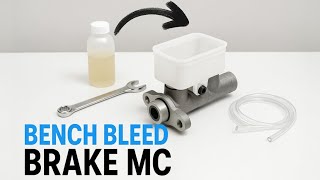
- Bench bleed the new master cylinder before installation. This step is critical for a successful repair and a firm brake pedal.
- Use a flare nut wrench to remove brake lines to avoid stripping the fittings.
- A spongy or sinking pedal is the most common symptom and means the master cylinder needs immediate attention.
A Tale of Two Cougars: 1990-1997 vs. 1999-2002
Before you buy, know your Cougar. The 1990-2002 model years cover two completely different cars. The parts are not interchangeable.
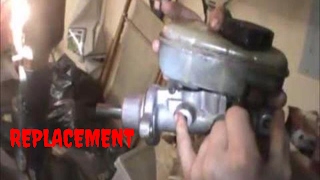
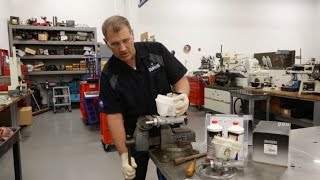
- 1990-1997 Cougar (MN12): This is a rear-wheel-drive (RWD) car, sharing its platform with the Ford Thunderbird. 🎬 Watch: Step-by-step master cylinder replacement for 1990-1997 models.
- 1999-2002 Cougar (New Edge): This is a front-wheel-drive (FWD) car based on the Ford Contour. There was no 1998 Cougar model year.
Always confirm your vehicle's exact year and whether it has an Anti-lock Braking System (ABS) before ordering.
Symptoms of a Failing Master Cylinder
A master cylinder rarely fails without warning. If you notice any of these signs, it's time to inspect your brake system immediately.
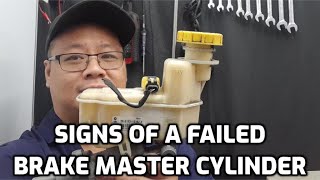
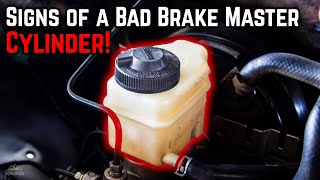
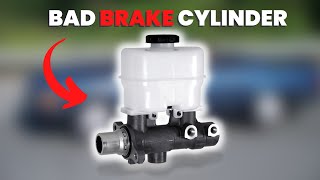
🎬 See a visual guide on identifying a failing master cylinder.- Spongy or Sinking Brake Pedal: This is the most common symptom. The pedal may feel soft, mushy, or sink slowly to the floor when you hold it down. This indicates internal seals have failed and can't hold hydraulic pressure.
- Contaminated Brake Fluid: New brake fluid is clear or light amber. If the fluid in your reservoir looks dark, murky, or has bits of debris in it, the seals inside the master cylinder may be breaking down.
- External Fluid Leaks: Check for brake fluid leaking from the rear of the master cylinder, where it mounts to the brake booster on the firewall.
- Brake Warning Light: A drop in fluid level caused by a leak can trigger the brake warning light on your dashboard.
- Car Pulls to One Side: If the cylinder fails to distribute pressure evenly, one or more brakes may not engage properly, causing the car to pull left or right when braking.
Choosing the Right Aftermarket Master Cylinder
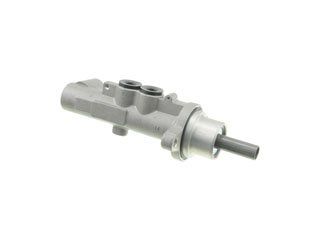
For a vehicle of this age, a new aftermarket master cylinder offers a great balance of quality and value. OEM Ford/Motorcraft parts are excellent but can be expensive and harder to find. Here’s a look at common aftermarket brands.
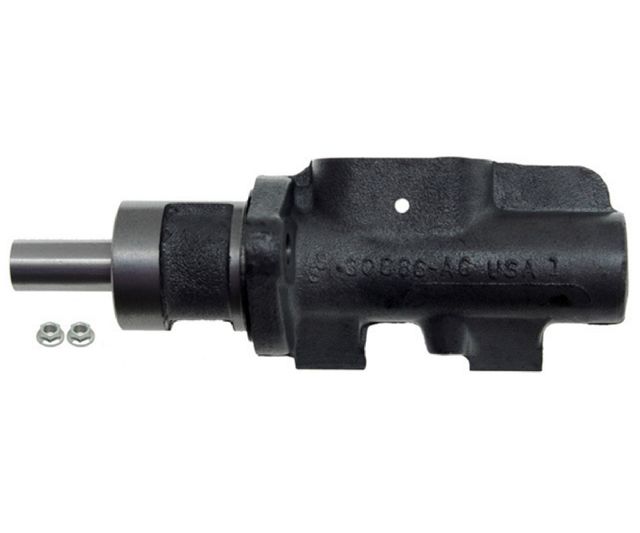
- Tier 1 (Excellent Choices): Brands like Raybestos and Dorman have a strong reputation. Raybestos is a long-standing name in brakes, known for quality manufacturing. Dorman is well-regarded for often improving upon the original factory design to fix known weaknesses.
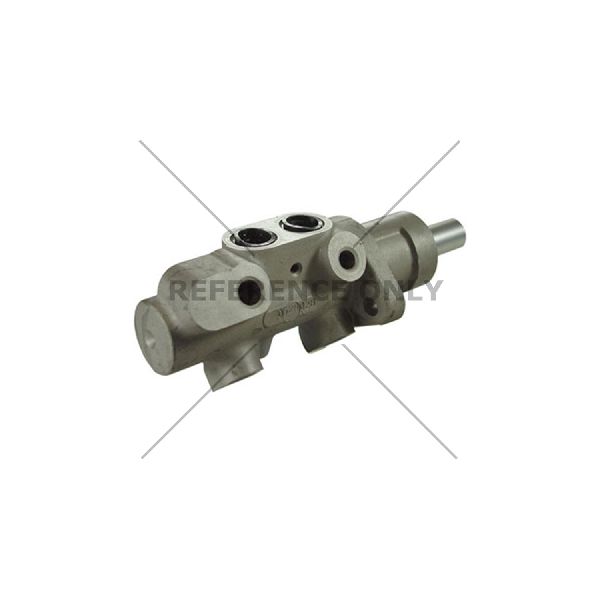
- Tier 2 (Good Choices): Centric is another major player in the brake market and generally considered a solid option. While some users on forums have had issues with other types of Centric cylinders, their brake components are widely used.
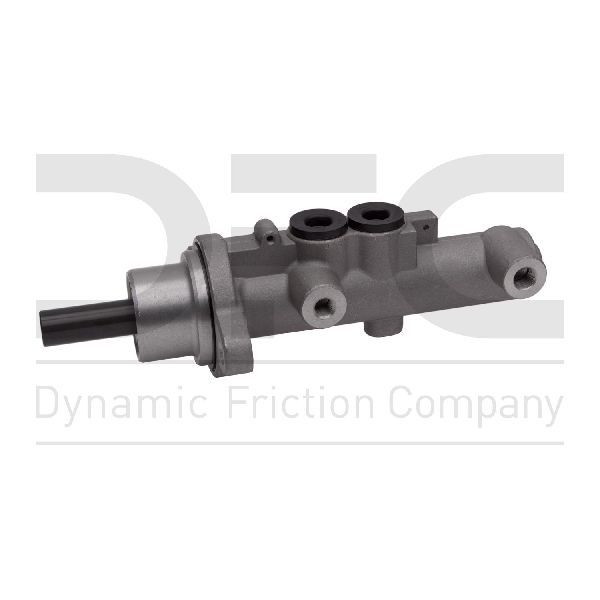
- Tier 3 (Value Choices): Brands like Cardone (specifically their new 'Cardone Select' line, not remanufactured) and Dynamic Friction offer a more budget-friendly price point. While often perfectly functional, some mechanics prefer to stick with brands from Tier 1 or 2 for such a critical safety component.
Pro Tip: Bench Bleed Your New Part!
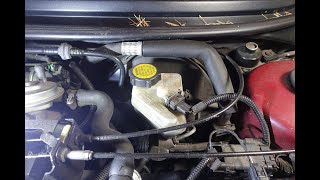
Before installing the new master cylinder, you MUST bench bleed it. This involves using a kit (often included with the new part) to fill the cylinder with fluid and purge all air out of it on your workbench. 🎬 Watch: How to properly bench bleed your new master cylinder. Skipping this step will introduce a large amount of air into your brake lines, making it extremely difficult to get a firm pedal later.
Known Issues for the 1990-2002 Mercury Cougar
While no recalls directly target the master cylinder for these years, a related issue was identified for the 1999-2002 models. NHTSA Recall 01V032000 notes that grease from the adjustable pedal assembly could contaminate the brake lamp switch, causing the brake lights to fail or stay on. This does not affect the master cylinder's function but is an important safety check for the brake system.
| Part / Service | Estimated Cost |
|---|---|
| New Aftermarket Master Cylinder | $42 - $215 |
| Shop Labor | $200 - $400 |
| Total Professional Replacement | $242 - $615 |
Frequently Asked Questions (FAQ)
Is the replacement different for models with ABS?
Yes. The master cylinder for a car with an Anti-lock Braking System (ABS) is often different from one without it. The number or location of brake line ports can vary. Ensure the part you order is specified for your vehicle's exact brake setup (with or without ABS).
Can I reuse my old brake fluid reservoir?
Many new aftermarket master cylinders come with a new reservoir. If yours does not, you can typically transfer the old one, but it must be thoroughly cleaned. Given the age of these vehicles and the low cost of a complete unit, it is highly recommended to use a new master cylinder that includes a new reservoir.
What tools do I need for this job?
You will need a standard socket set, wrenches, and a drain pan. The most important special tool is a set of flare nut wrenches (or line wrenches) for the brake line fittings. Using a standard open-end wrench can easily round off the soft metal of the fittings, creating a much bigger problem.
What kind of brake fluid should I use?
Always check your owner's manual or the cap on the master cylinder itself. Most Ford vehicles from this era use DOT 3 brake fluid. Always use new, unopened fluid, as brake fluid absorbs moisture from the air over time, which can cause corrosion and reduce performance.
Helpful Videos
Technical Specifications
OEM Part Numbers: F7RZ2140CA F7RZ2140DA
The most critical specification is matching the part to your vehicle's generation (1990-1997 RWD vs. 1999-2002 FWD) and confirming if your car is equipped with ABS. The 1999-2002 models have a 25mm bore.
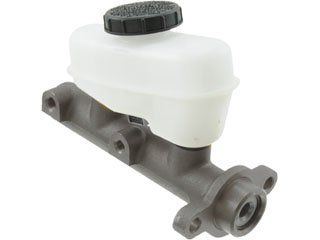
We Have This Part in Stock


The information in this article is provided for general reference and educational purposes only. Vehicle specifications, procedures, and part compatibility can vary by production date, trim level, and region. Always consult your vehicle's factory service manual and verify part numbers before purchasing or performing repairs. Safety-critical components such as airbags, seat belts, and braking systems should be installed by a qualified professional.
- Mercury Cougar: