

Your Guide to Replacing a 1990-2002 Mercury Cougar Catalytic Converter
Learn to spot the signs of a failing catalytic converter and choose the right aftermarket part for your Cougar.
- Identify your Cougar's generation (1990-97 vs. 1999-02) before buying, as the parts and complexity are very different.
- Always diagnose and fix the root cause of the failure (like misfires or bad O2 sensors) before installing a new converter.
- Choose a 'direct-fit' aftermarket part for easier, bolt-on installation without the need for welding.
- For long-term reliability, consider standard or premium brands like Walker or MagnaFlow over the cheapest available options.
Understanding Your Cougar's Catalytic Converter
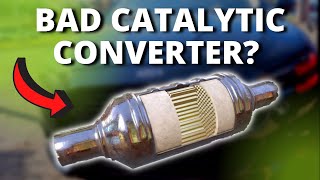
The catalytic converter is a key emissions component, but it doesn't last forever. When it fails, it can cause a range of problems from a simple Check Engine Light to serious performance issues. 🎬 Watch: Learn the common symptoms of a bad catalytic converter. For the 1990-2002 Mercury Cougar, it's important to know that you're dealing with two very different vehicle generations, which affects which parts you'll need.
Two Generations, Two Different Systems
It is crucial to identify your vehicle's generation before buying parts:
- 1990-1997 (MN12 Platform): These earlier Cougars with V6 and V8 engines have a more traditional exhaust setup. The catalytic converters are typically located under the vehicle and are simpler to access and replace.
- 1999-2002 (New Edge Platform): Based on the Ford Contour, these models (especially the 2.5L V6) have a more complex system. They often use multiple converters, including some integrated directly into the exhaust manifolds (known as manifold converters or pre-cats). These can be much more difficult and expensive to replace due to their location in the tight engine bay.
Don't Ignore the Root Cause
A catalytic converter usually fails because another problem exists. Common causes include engine misfires, a bad oxygen sensor, or engine oil/coolant leaking into the exhaust. If you don't fix the original problem, your new converter will fail quickly. Always diagnose and repair any related engine issues first.
Choosing the Right Aftermarket Converter
For a vehicle of this age, an aftermarket converter is the most practical and affordable choice. OEM parts, if available at all, would be extremely expensive. Aftermarket brands offer several tiers of quality and price.
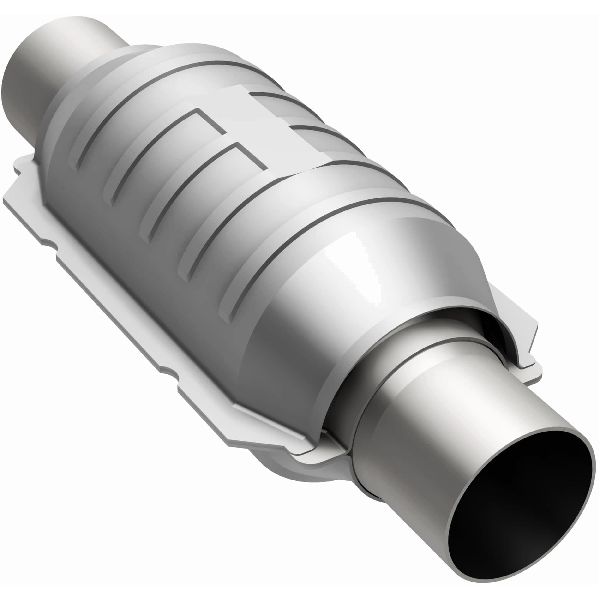
- Premium Brands (MagnaFlow): Known for high-quality stainless steel construction and good performance. They are often designed for better exhaust flow and longevity, making them a solid long-term investment.
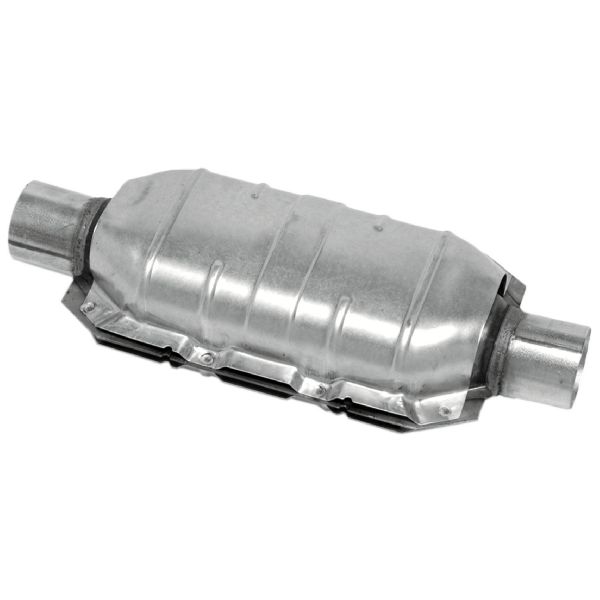
- Standard OEM-Style Brands (Walker): Walker is a widely recognized brand that provides reliable, direct-fit replacements that function like the original part. They offer a good balance of quality, fit, and price for a daily driver.
- Economy Brands (AP Exhaust, Eastern Catalytic): These brands offer the most budget-friendly options. While they can get your car back on the road, some users report shorter lifespans or potential fitment issues compared to premium brands. Always verify they meet your local emissions requirements.
Pro Tip: Choose a "Direct-Fit" converter over a "Universal" one. Direct-fit parts are designed to bolt right into your specific Cougar model without welding or cutting, making installation much easier.
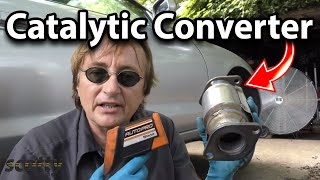
🎬 Watch this walkthrough on how to replace a catalytic converter.Cost of Replacement
The cost can vary significantly based on your Cougar's year and engine. The 1999-2002 V6 models are typically more expensive due to the complex parts and higher labor time.
| Item | Estimated Cost |
|---|---|
| New Aftermarket Part | $74 - $511 |
| Shop Labor | $100 - $450+ |
| Total Estimated Cost | $174 - $961+ |
Note: Labor costs are an estimate and can vary by location and the complexity of your specific vehicle's exhaust system. The 1999-2002 V6 models will be at the higher end of the labor cost range.
Frequently Asked Questions
What is a P0420 or P0430 code?
These are the most common trouble codes for a failing catalytic converter. P0420 refers to "Catalyst System Efficiency Below Threshold (Bank 1)" and P0430 is for Bank 2 (on V-style engines). It means the oxygen sensors are detecting that the converter is no longer cleaning the exhaust gases effectively. While this often points to the converter, it can also be caused by faulty oxygen sensors or exhaust leaks, so a full diagnosis is important.
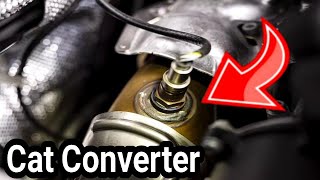
🎬 See how to properly diagnose P0420 and P0430 codes.Do I need to replace my oxygen sensors with the converter?
It is highly recommended. Oxygen sensors work with the converter and have a similar lifespan. A failing sensor can provide bad information to the car's computer, potentially damaging the new converter. Replacing them at the same time ensures the whole system works together correctly and can save you from doing the job twice.
Can I clean my catalytic converter?
In most cases, no. While some fuel additives claim to clean converters, they cannot repair a converter that is physically damaged, melted inside, or poisoned by oil or coolant. If the converter is simply clogged with carbon, a professional cleaning might offer a temporary solution, but replacement is the only permanent fix for a failed unit.
Is a universal converter a good idea for my Cougar?
A universal converter can save money on the part itself but will likely cost more in labor. Unlike a direct-fit model, a universal converter requires cutting and welding to fit it into your existing exhaust pipes. For most owners, especially DIYers, a direct-fit model is the better choice for a hassle-free installation.
Helpful Videos
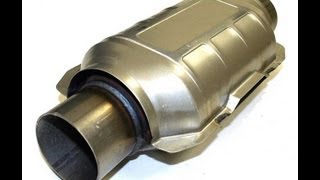
Technical Specifications
OEM Part Numbers: F4SZ-5F250-C
Varies by year and engine. Available as Direct-Fit or Universal. The 1990-1997 models use more traditional underbody converters, while 1999-2002 V6 models use a complex system with manifold converters. Material is typically stainless or aluminized steel.
We Have This Part in Stock
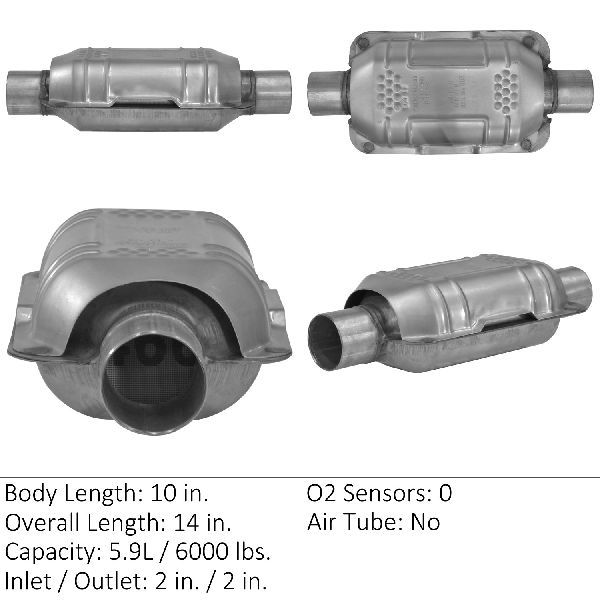
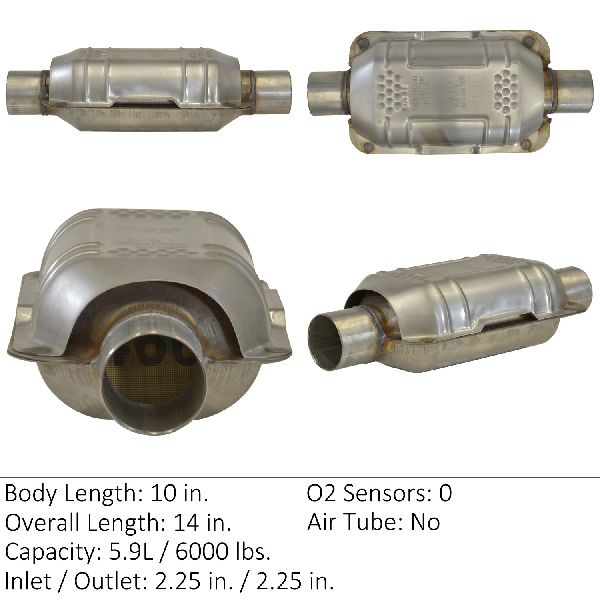
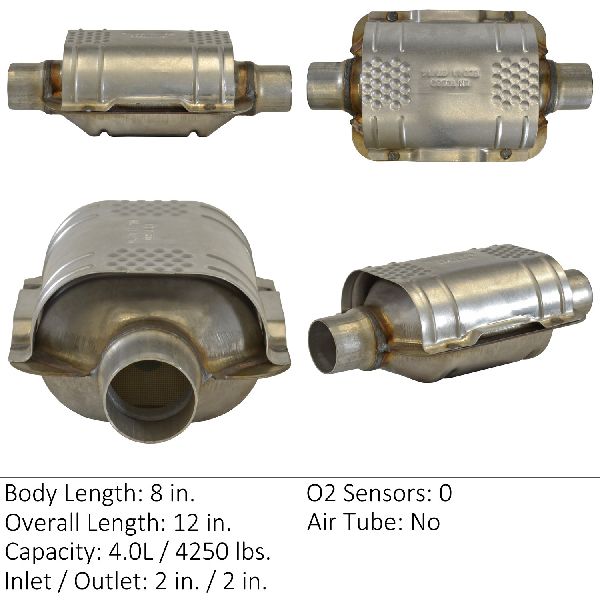
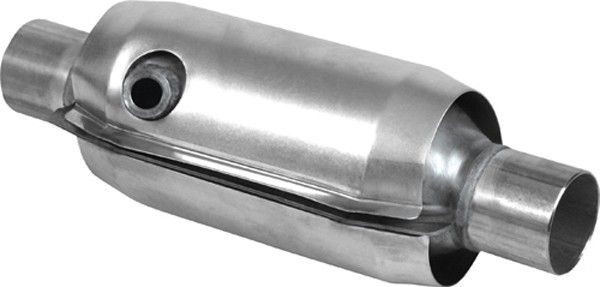

The information in this article is provided for general reference and educational purposes only. Vehicle specifications, procedures, and part compatibility can vary by production date, trim level, and region. Always consult your vehicle's factory service manual and verify part numbers before purchasing or performing repairs. Safety-critical components such as airbags, seat belts, and braking systems should be installed by a qualified professional.
- Mercury Cougar: