

Throttle Position Sensor (TPS) Guide for 1990-2002 Mercury Cougar
Solve erratic idling, poor acceleration, and shifting problems by understanding your Cougar's throttle position sensor.
- You must correctly identify your Cougar's generation (1990-1997 or 1999-2002) as the TPS parts are not interchangeable.
- A failing TPS can cause a variety of symptoms including poor acceleration, erratic idle, and incorrect automatic gear shifting.
- Replacement is a simple, DIY-friendly task that requires basic tools and less than an hour.
- Quality aftermarket brands like Delphi, NGK, and Standard Ignition offer a reliable and cost-effective alternative to the more expensive OEM Motorcraft part.
Understanding Your Cougar's TPS: Two Cars, Two Parts
The 1990-2002 Mercury Cougar spans two completely different vehicle generations, and it's critical to know which one you own. The parts are not interchangeable.
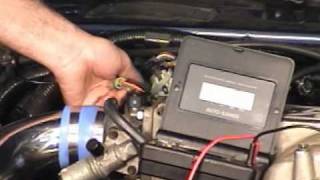
- 1990-1997 (7th Gen): These are rear-wheel-drive (RWD) cars built on the MN12 platform, often with a 3.8L V6 or 4.6L V8 engine. The TPS for these models is specific to this platform. 🎬 See the replacement and idle reset procedure for 7th Gen models.
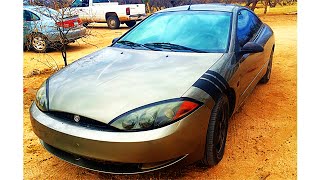
- 1999-2002 (8th Gen): These are front-wheel-drive (FWD) cars based on the Ford Contour, equipped with a 2.0L I4 or 2.5L V6 engine. Their TPS is a different part number and design.
Pro Tip: Always verify your Cougar's exact year and engine before ordering. A 1997 TPS will not fit a 1999 model, and vice-versa. Check the OEM part number on your old sensor if possible.
Common Symptoms of a Failing TPS
A bad throttle position sensor can cause a wide range of frustrating problems that might seem unrelated. Because the sensor's data is so important, a bad signal can make the car run poorly. Common signs include:
- Check Engine Light: Often, a failing TPS will trigger a Check Engine Light with codes like P0120, P0121, P0122, or P0123.
- Erratic Idle: The engine may idle too high, too low, or surge up and down.
- Poor Acceleration: You might experience hesitation, stumbling, or a total lack of power when you press the gas pedal.
- Automatic Transmission Problems: On automatic models, a bad TPS can cause harsh, delayed, or incorrect gear shifts.
- Stalling: The engine may stall unexpectedly when you come to a stop or let off the gas.
A forum user with a 2000 Cougar fixed a problem where the RPMs would get stuck high between shifts by replacing the TPS. This highlights how a faulty sensor can directly impact drivability.
Choosing the Right Aftermarket TPS
While Motorcraft is Ford's original equipment (OE) brand, many aftermarket options provide good quality for the price. For a vehicle of this age, a quality aftermarket part is often the most practical choice.
- Premium Aftermarket (Delphi, NGK, Standard Ignition 'T-Series'): Brands like Delphi and NGK are well-regarded OEM suppliers and offer excellent quality. Standard Motor Products' premium 'T-Series' line is also a strong choice. These parts often feature better materials and undergo more rigorous testing.
- Reputable Mid-Grade (Standard Ignition, Walker Products, Dorman): These brands offer a good balance of price and performance. They are a reliable choice for daily driving and a significant step up from the cheapest options.
- Economy (Replacement, True Tech, Global Parts): These are the most budget-friendly options. While they can get your car back on the road, their long-term durability and consistency may not match the premium brands.
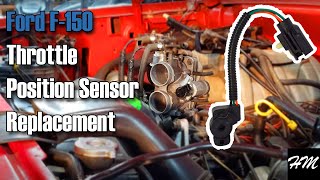
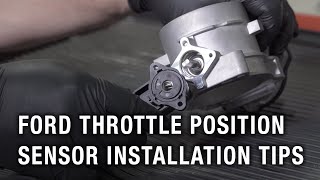
Forums often suggest using Motorcraft for critical sensors, but many owners have success with quality aftermarket alternatives, especially on older vehicles. The key is to avoid the absolute cheapest, no-name parts 🎬 Check out these essential Ford TPS installation tips before you start. if you want a lasting repair.
Cost to Replace a Mercury Cougar TPS
| Part/Service | Estimated Cost |
|---|---|
| New Aftermarket Part | $16 - $87 |
| New OEM (Motorcraft) Part | $60 - $120 |
| Shop Labor | $50 - $100 |
| Total DIY Cost | $16 - $87 |
| Total Shop Cost | $66 - $220 |
Frequently Asked Questions
Is this a difficult part to replace myself?
No, this is a very DIY-friendly job. The TPS is located on the side of the throttle body and is held on by two screws. The process involves disconnecting the battery, unplugging the electrical connector, removing the two screws, swapping the sensor, and reassembling. The entire job can usually be done in under 30 minutes with basic hand tools.
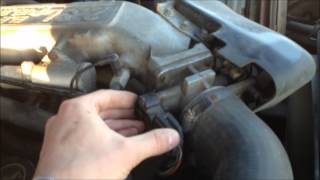
🎬 Watch: Step-by-step guide to replacing your Cougar's TPS.Do I need to calibrate or reset the new TPS?
For most 1990-2002 Cougars, there is no complex computer calibration needed. However, it's good practice to disconnect the battery's negative terminal for about 15 minutes during the replacement. This will reset the engine computer's learned values and allow it to adapt to the new sensor properly. Some older Ford models benefit from a specific voltage check with a multimeter, but for a standard replacement, a simple battery reset is usually sufficient.
Are there any recalls for the TPS on my Cougar?
There are no specific recalls for the throttle position sensor itself. However, for the 1999-2002 models, there was a program (04N02) related to the Fuel Delivery Module (FDM) that caused very similar symptoms like hesitation, surging, and stalling. If you've replaced your TPS and still have these issues, it's worth investigating if the fuel filter or fuel pump could be the cause.
Can I just clean my old TPS?
No, the TPS is a sealed electronic sensor. The part that fails is internal, usually a worn-out electrical contact. Cleaning the outside will not fix the problem. However, it is a good idea to clean your throttle body's bore and plate with a dedicated throttle body cleaner while you have access, as carbon buildup can cause its own set of idle and hesitation issues.
Helpful Videos
Technical Specifications
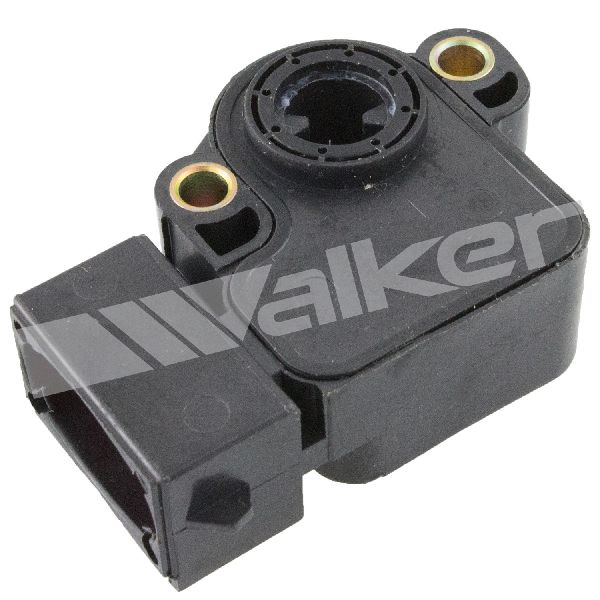
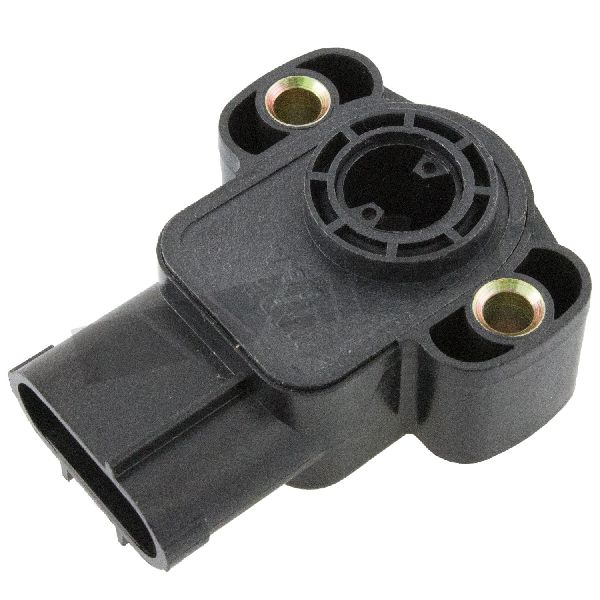
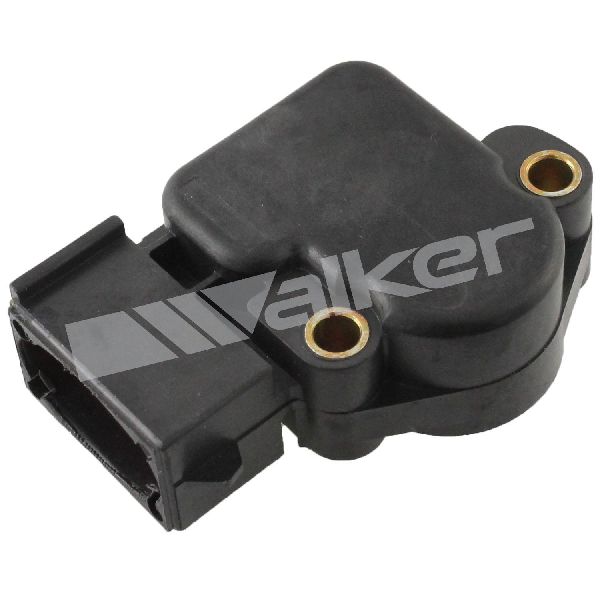
OEM Part Numbers: F4ZZ-9B989-A F5RZ-9B989-B F5RF-9B989-BA 1F2218851 DY-968
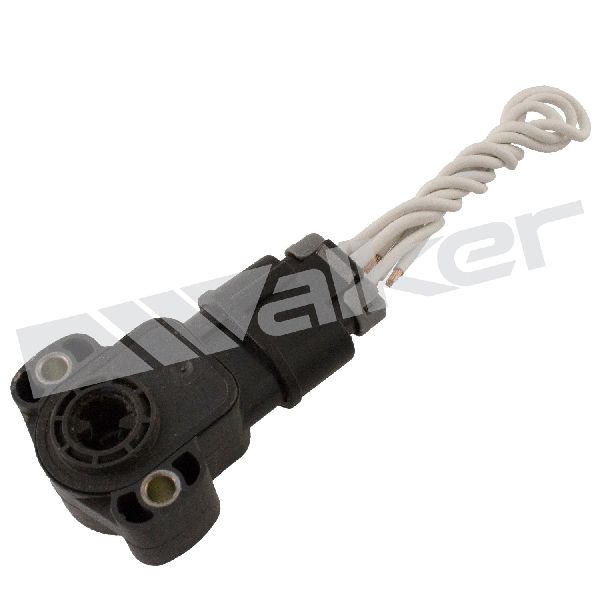
Typically a 3-pin sensor that acts as a potentiometer, sending a variable voltage signal to the engine computer based on throttle plate angle.
We Have This Part in Stock


The information in this article is provided for general reference and educational purposes only. Vehicle specifications, procedures, and part compatibility can vary by production date, trim level, and region. Always consult your vehicle's factory service manual and verify part numbers before purchasing or performing repairs. Safety-critical components such as airbags, seat belts, and braking systems should be installed by a qualified professional.
- Mercury Cougar: