

A Guide to Aftermarket Brake Pads for the 1990-2002 Mitsubishi Eclipse
Choosing the right brake pads for your Eclipse is crucial for safety and performance, whether you have a daily driver GS or a turbo GSX.
- You must verify your Eclipse's exact year, model (GS, GS-T, GSX), and caliper type (single vs. dual piston) before ordering pads.
- Choose a pad compound that matches your driving style: ceramic for quiet daily driving or semi-metallic for aggressive street performance.
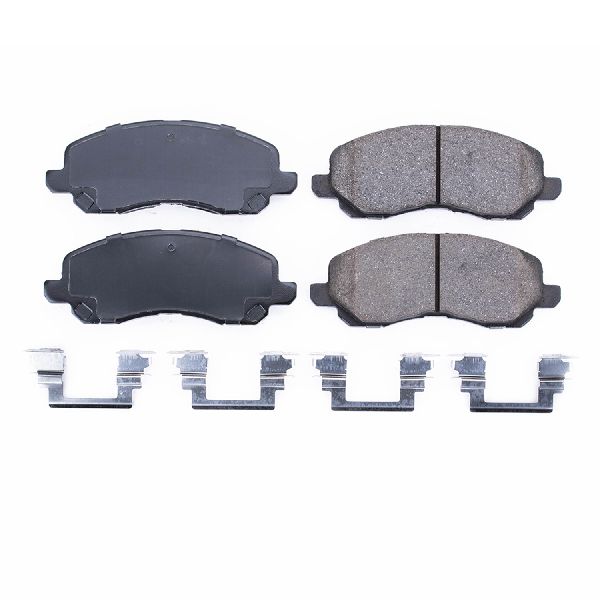
- For best results and noise prevention, always use the new hardware (clips/shims) included with your pads and lubricate caliper slide pins.
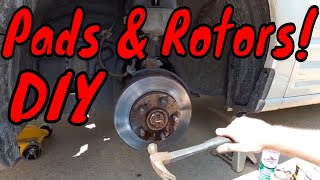
- Inspect your brake rotors for wear and warping; new pads on bad rotors is a waste of money and unsafe.
Signs of Worn Brake Pads
Your Eclipse will give you clear warnings when its brake pads are getting low. Ignoring them can lead to more expensive repairs.
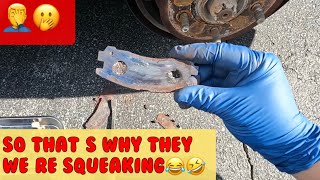
- Squealing or Screeching: Most brake pads have a small metal tab called a wear indicator. When the pad wears down, this tab scrapes against the rotor, making a high-pitched noise when you brake. This is the first warning sign.
- Grinding Noise: If you hear a deep, metallic grinding sound, it means the friction material is completely gone. The metal backing plate of the pad is now grinding against the rotor. This is a critical safety issue that can quickly destroy your rotors.
- Longer Stopping Distance: If you notice your car takes longer to stop than it used to, your pads may be worn out or contaminated.
- Spongy or Soft Brake Pedal: While this can also indicate a problem with your brake fluid or master cylinder, it can sometimes be related to extremely worn pads.
Generation and Model Differences Are Critical
The 1990-2002 year range covers three different generations of the Eclipse, and brake parts are not always interchangeable. You must order pads that are specific to your exact year and model.
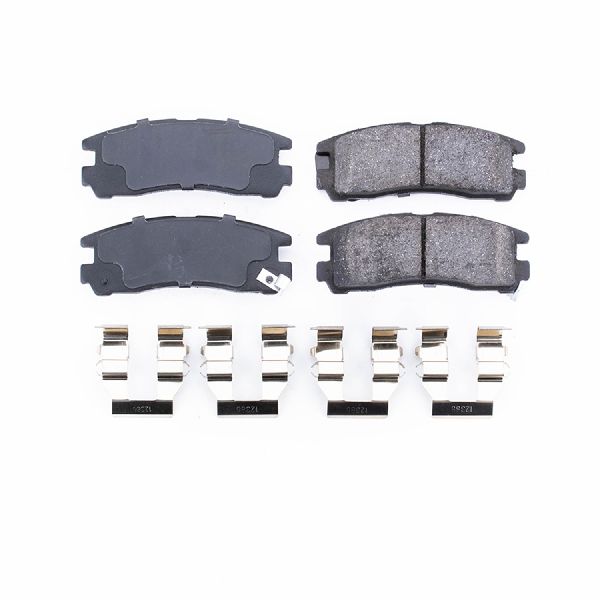
- 1G (1990-1994) vs. 2G (1995-1999): These models have different brake systems, especially the rear calipers. The 1G rear caliper has the parking brake mechanism built into it, while the 2G uses a separate drum inside the rotor for the parking brake.
- 2G vs. 3G (2000-2002): The front brake calipers and brackets are different between 2G and 3G models. 🎬 Watch this complete 3G Eclipse disc brake replacement walkthrough. However, the rear brakes are often the same.
- Turbo Models (GS-T, GSX): The all-wheel-drive (AWD) 2G GSX model came with larger, dual-piston front brake calipers 🎬 See how to perform a high-quality 2G brake upgrade. for better stopping power, while other models used smaller, single-piston calipers. These require different, larger brake pads. Always verify if you have single or dual-piston front calipers.
Pro Tip: Before ordering, double-check your vehicle's sub-model (RS, GS, GS-T, GSX) and, if possible, inspect your current calipers to confirm the type. Enthusiast forums like DSMtuners.com are a valuable resource for identifying your specific setup.
Choosing the Right Aftermarket Brake Pads
Aftermarket pads offer a wide range of options that can meet or exceed original equipment (OEM) quality. They generally fall into three categories based on driving needs.
| Brand Tier | Description & Common Brands |
|---|---|
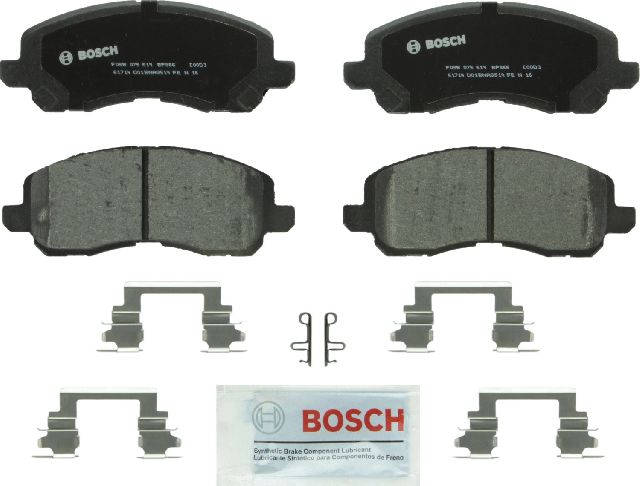
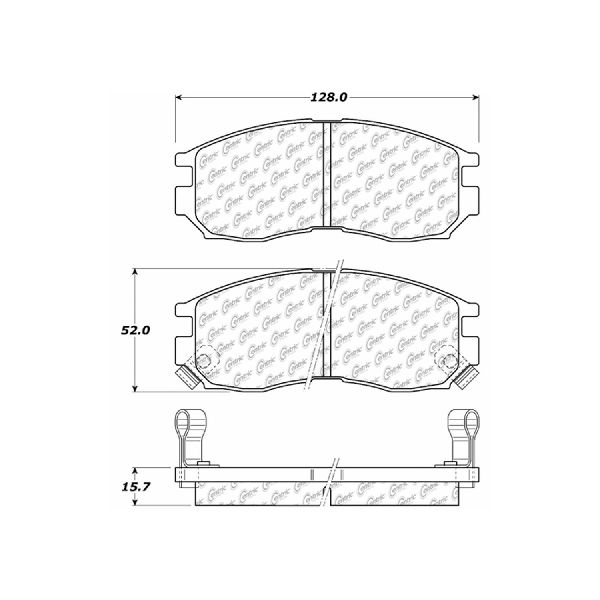
| Daily Driver / OEM-Quality | These pads are perfect for most Eclipse owners. They offer quiet operation, low dust, and reliable stopping power similar to the factory pads. Ceramic compounds are common in this tier. Look for brands like Akebono (often an OEM supplier for Japanese cars), Bosch QuietCast, Centric, and Wagner. |
| Street Performance | For spirited driving or owners of turbo models who want more bite and better fade resistance. These pads trade a little more dust or noise for increased performance. Popular choices include Powerstop Z23/Z26 kits, StopTech Street, and EBC Redstuff. |
| Economy / Value | These are the most affordable options, suitable for a car that is driven gently or if you're on a tight budget. They will stop the car safely but may not last as long or be as quiet as higher-tier pads. Brands include Pronto, Dynamic Friction, and Total Stopping Solutions. |
Known Issues, Recalls, and Service Bulletins
Searches of the National Highway Traffic Safety Administration (NHTSA) database show no specific recalls or technical service bulletins (TSBs) for the disc brake pads on 1990-2002 Mitsubishi Eclipse models. Recalls found were for later model years (2006-2009) and related to the ABS hydraulic unit, not the pads themselves. However, a common source of brake noise on many vehicles is old or improperly installed hardware (clips and shims). It is always recommended to use the new hardware that comes with a quality set of brake pads.
Frequently Asked Questions (FAQ)
What's the difference between ceramic and semi-metallic pads?
Ceramic pads are known for being very quiet and producing very little light-colored dust, making them great for daily driving. Semi-metallic pads contain metal fibers that help dissipate heat and provide a stronger bite, especially when cold. They are often preferred for performance driving but can be noisier and produce more dust than ceramics.
Do I need to replace my rotors at the same time?
Not always, but it's highly recommended to inspect them. If your rotors are below the minimum thickness (stamped on the rotor itself), have deep grooves, or are warped (causing a pulsation in the pedal when braking), they must be replaced. Installing new pads on bad rotors will cause noise, poor performance, and premature pad wear.
What is "bedding in" new brakes?
Bedding-in is a process of controlled stops to transfer an even layer of friction material from the new pads onto the rotors. This ensures smooth, quiet, and powerful braking. Most performance pad manufacturers provide specific instructions, but it typically involves a series of moderate stops from around 60 mph without coming to a complete stop, followed by a cool-down period.
Why are my new brakes making noise?
Noise from new brakes is often caused by not replacing the hardware (clips and shims), not cleaning and lubricating the caliper slide pins, or skipping the bed-in process. Performance pads can also be inherently noisier than OEM-style pads. Ensure all contact points were properly cleaned and greased.
Helpful Videos

Technical Specifications
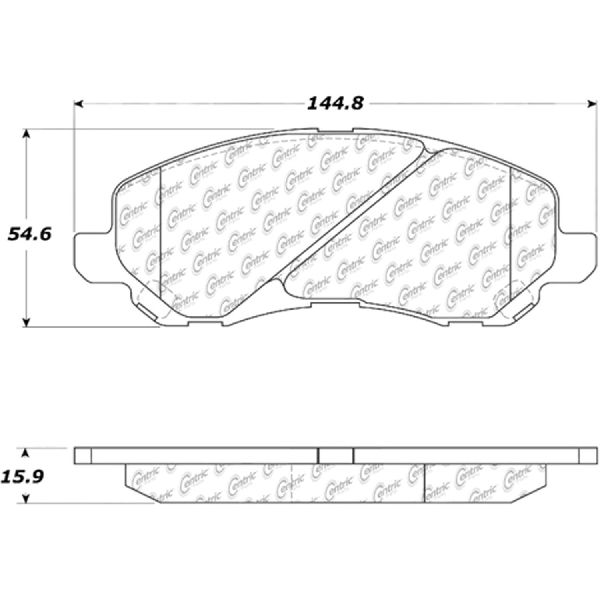
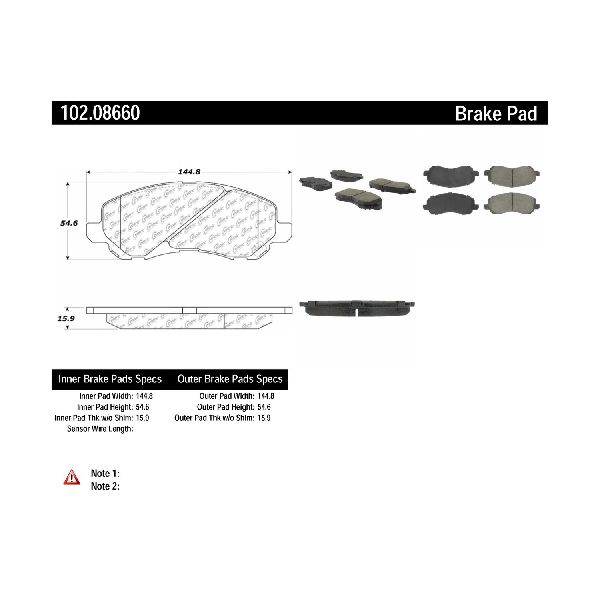
Brake Pad Material: Ceramic, Semi-Metallic, Organic. Caliper Configurations: Front calipers can be single-piston or dual-piston (primarily on 2G GSX models). Rear calipers vary between 1G and 2G/3G generations.
We Have This Part in Stock

The information in this article is provided for general reference and educational purposes only. Vehicle specifications, procedures, and part compatibility can vary by production date, trim level, and region. Always consult your vehicle's factory service manual and verify part numbers before purchasing or performing repairs. Safety-critical components such as airbags, seat belts, and braking systems should be installed by a qualified professional.
- Mitsubishi Eclipse: