

Honda Accord Engine Mount Guide: 1990-2003
Stop the shaking and vibration in your Accord by choosing the right replacement engine mount.
- For a smooth, factory-like ride, OEM (original Honda) mounts are widely considered the best but most expensive option.
- Budget aftermarket brands like Anchor and DEA are known for causing significant vibration and having a short lifespan.
- Performance polyurethane inserts (Energy Suspension, Prothane) will increase vibration (NVH) but are great for reducing engine movement in performance applications.
- Be aware that 1998-2003 models, especially V6s, may have a special, expensive vacuum-operated or hydraulic front mount that is difficult to replicate with aftermarket parts.
Is Your Accord Shaking? It Might Be Time for New Engine Mounts

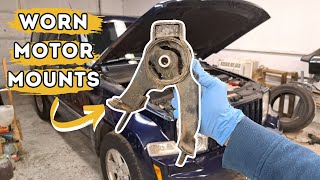
If your 1990-2003 Honda Accord has started vibrating excessively, especially when idling or when the air conditioning kicks on, you likely have a bad engine mount. These parts wear out over time, and the rubber breaks down or the fluid inside leaks out. This allows the engine to shake and move more than it should, creating clunking noises and a rough ride.
Known Issues for 6th Gen (1998-2002) & 2003 Accords
The 6th generation Accord, especially V6 models, and the 2003 model year are known for issues with their engine mounts. Many of these cars use a special vacuum-controlled or hydraulic front mount. These mounts are more complex and more expensive than traditional rubber mounts. When they fail, they can cause significant vibration. Aftermarket replacements for these specific mounts are often reported to cause more vibration than the original Honda parts.
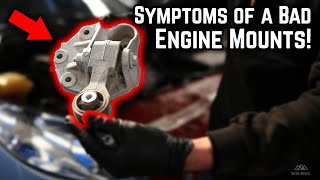
Symptoms of a Failing Engine Mount
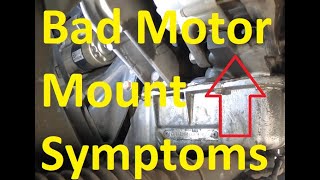
🎬 Watch: How to quickly locate and identify failing mounts.
- Increased Vibration: You'll feel a strong vibration in the steering wheel, floor, or seats, especially when the car is stopped in gear.
- Clunking or Thumping Noises: Loud clunks may occur when you accelerate, decelerate, or shift between Drive and Reverse. This is the sound of the engine moving and hitting other parts.
- Visible Engine Movement: If you have a friend safely watch the engine (with the hood open and parking brake on) while you shift from Drive to Reverse, you might see the engine rock or lurch excessively.
- Leaking Fluid: Some Honda mounts are filled with hydraulic fluid. If you see dark, oily fluid on or below a mount, it has failed.
Choosing the Right Aftermarket Mount: Brand Tiers

When it comes to engine mounts for this generation of Accord, there is a significant difference in quality between brands. The original Honda (OEM) mounts are widely considered the best for a smooth, vibration-free ride, but they are also the most expensive. Here’s how aftermarket options generally stack up based on owner experiences.
Tier 1: Performance (Polyurethane)
Brands: Energy Suspension, Prothane
These are not complete mounts, but stiff polyurethane inserts that you press into your existing mount brackets. They are designed for performance driving, not comfort.
Pros: Greatly reduces engine movement, improves throttle response, and eliminates wheel hop. Very durable.
Cons: Massively increases Noise, Vibration, and Harshness (NVH). Your car will vibrate noticeably more at idle and low speeds. Many find the added vibration too harsh for a daily driver.
Tier 2: OEM-Style Aftermarket
Brands: Beck Arnley, Corteco
These brands aim to replicate the original factory part's fit and function. Beck Arnley is often considered a higher-quality aftermarket option.
Pros: More affordable than OEM parts. Designed to absorb vibration for a comfortable ride.
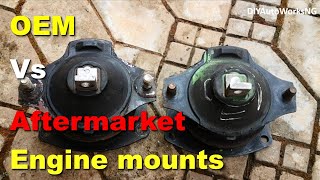
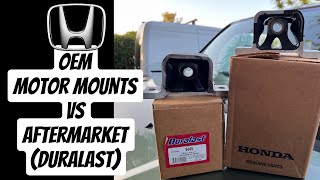
Cons: Quality can be inconsistent. Many owners report that even these better aftermarket brands can introduce more vibration 🎬 Watch: A side-by-side comparison of OEM vs. aftermarket mounts. than a new OEM part. For the complex vacuum or hydraulic mounts, the consensus is that OEM is still superior.
Tier 3: Budget Brands
Brands: Anchor, DEA, Westar
These are the most affordable options available.
Pros: Very low price.
Cons: These brands have a widespread reputation for poor quality, short lifespan, and causing severe vibrations—sometimes worse than the broken mount they are replacing. Many forum users strongly advise against using these brands if you care about ride quality.
A Mechanic's Advice
For an older car, it's tempting to save money with budget mounts. However, you will likely be disappointed with the vibration. If you plan to keep your Accord for a while and want it to ride smoothly, spending more on OEM or a high-quality OEM-style mount (especially for the front and rear positions) is often worth the investment. If you only need to get the car running for a short time, a budget mount might be a temporary solution.
Estimated Replacement Costs

Prices can vary based on your vehicle's specific engine (4-cylinder vs. V6) and the type of mount.
| Part Type | Estimated Cost |
|---|---|
| New OEM Mount | $150 - $300+ (per mount) |
| New Aftermarket Mount | $18 - $152 (per mount) |
| Shop Labor | $100 - $250 (per mount) |
Note: Labor costs vary by location and the specific mount being replaced. The rear mount is typically the most difficult and expensive to replace.
Frequently Asked Questions
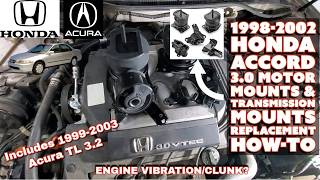
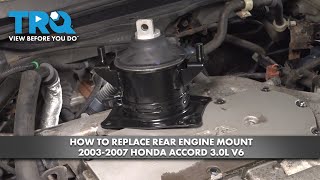
How many engine mounts does my 1990-2003 Accord have? 🎬 See this step-by-step replacement walkthrough for 1998-2003 Accords.
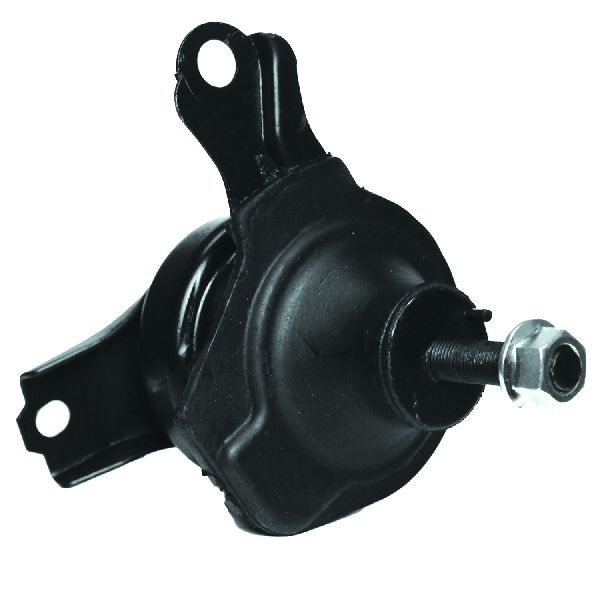
Most 4-cylinder and V6 Accords from this era have a total of four or five mounts that secure the engine and transmission. This includes front, rear, and side mounts.
Can I replace just one bad mount?
Yes, you can replace just the one that has failed. However, if one mount has worn out due to age and mileage, the others are likely not far behind. When one mount fails, it puts extra stress on the remaining mounts, which can cause them to fail sooner. Replacing them as a set is often a good long-term strategy.
What's the difference between rubber and polyurethane mounts?
Rubber mounts, used in factory and most aftermarket parts, are soft to absorb vibration and provide a comfortable ride. Polyurethane mounts (like Energy Suspension) are very stiff. They are for performance use to stop the engine from moving, but they transmit much more vibration into the car.
Why is one mount so much more expensive than the others?
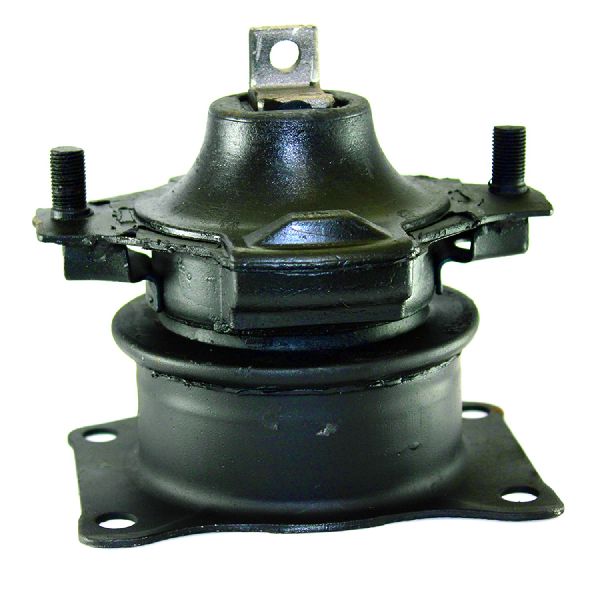
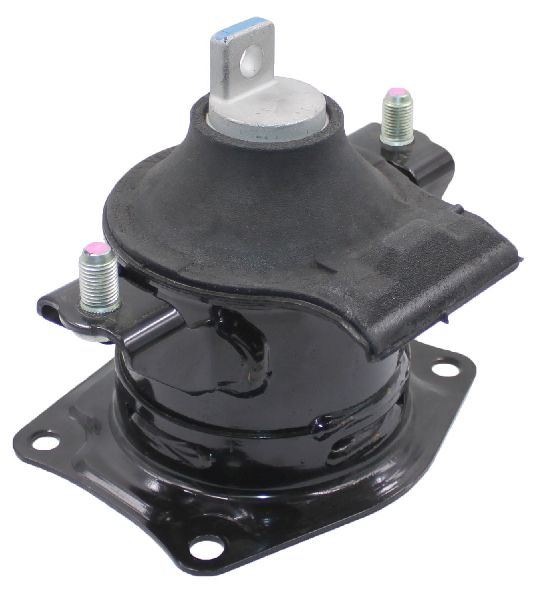
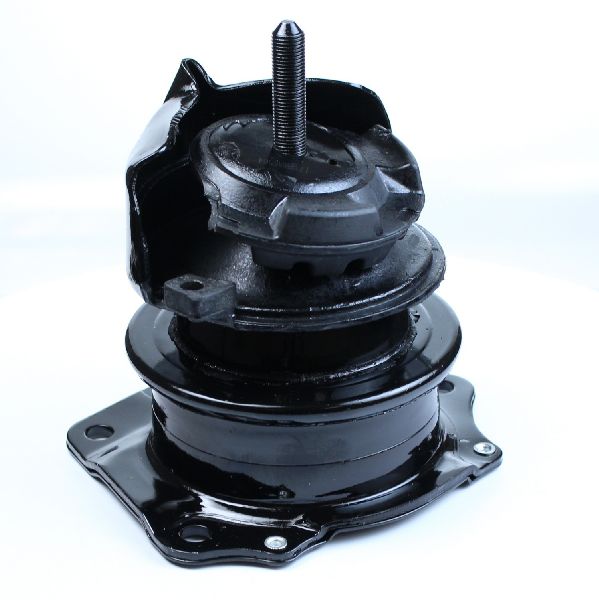
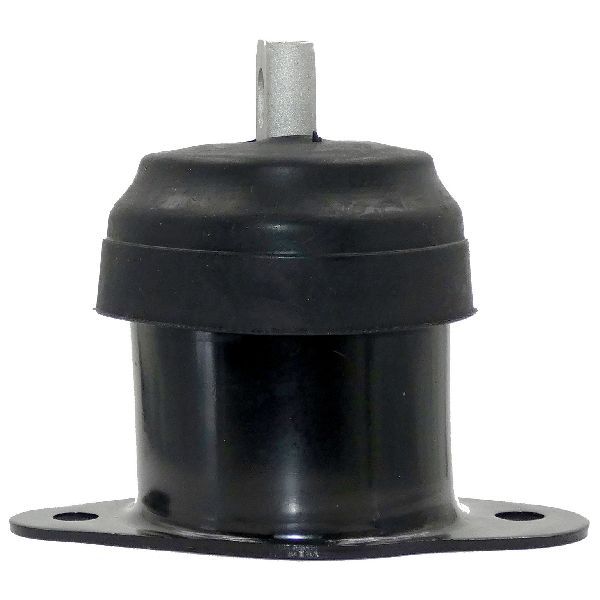
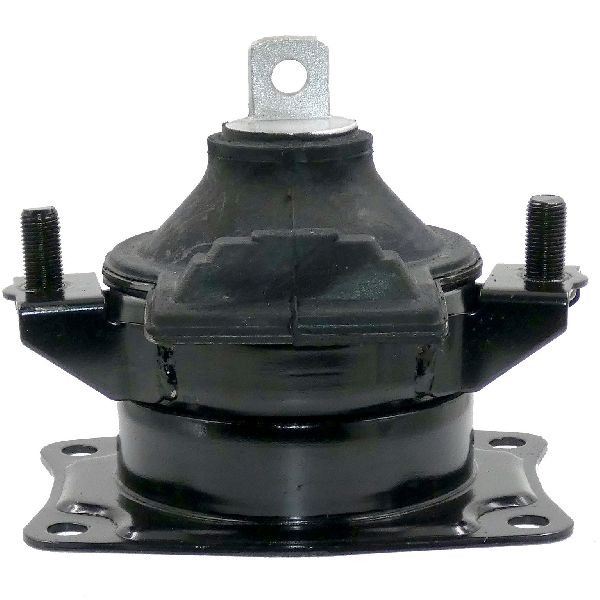
If you see one mount that is significantly more expensive, it is likely a hydraulic or vacuum-actuated mount. These are common on 1998-2003 Accords and contain fluid or a vacuum diaphragm to actively cancel out vibrations, making them more complex and costly to produce.
Helpful Videos
Technical Specifications
Mounts for this vehicle range include solid rubber, hydraulic (fluid-filled), and vacuum-assisted types. The specific type depends on the year, engine (F22, F23, J30), and transmission (automatic/manual) of your Accord.
We Have This Part in Stock

The information in this article is provided for general reference and educational purposes only. Vehicle specifications, procedures, and part compatibility can vary by production date, trim level, and region. Always consult your vehicle's factory service manual and verify part numbers before purchasing or performing repairs. Safety-critical components such as airbags, seat belts, and braking systems should be installed by a qualified professional.
- Honda Accord:
- 🎬 Helpful Videos
- 🛍️ Shop This Part
- Is Your Accord Shaking? It Might Be Time for New Engine Mounts
- Known Issues for 6th Gen (1998-2002) & 2003 Accords
- Symptoms of a Failing Engine Mount
- Choosing the Right Aftermarket Mount: Brand Tiers
- Tier 1: Performance (Polyurethane)
- Tier 2: OEM-Style Aftermarket
- Tier 3: Budget Brands
- A Mechanic's Advice
- Estimated Replacement Costs
- Frequently Asked Questions
- 🎟️ Get 5% Off