

A Guide to Replacing Rear Brake Drums on the 1990-2003 Mazda Protege
Keep your classic Protege stopping safely and smoothly by understanding your aftermarket brake drum options.
- Always replace brake drums, shoes, and hardware at the same time and in pairs for safety and performance.
- Standard aftermarket brands like Centric, Raybestos, and Bendix offer OEM-quality performance for a reasonable price.
- A stuck drum can often be removed using an 8mm bolt in the threaded hole on the drum face.
- A dragging or overheating new drum is often caused by a separate issue like a stuck wheel cylinder or parking brake cable, not the new drum.
Signs Your Protege's Brake Drums Need Replacing
An older car like the 1990-2003 Mazda Protege will eventually need its rear brake drums replaced. Because the rear brakes do less of the work than the front, they wear out more slowly, but they are still critical for safe stopping. Watch for these signs:
- Scraping or Grinding Noises: A loud metallic scraping sound when you brake is a serious warning. It often means the brake shoes have worn down completely and metal is grinding against the drum, damaging it.
- Vibrating Brake Pedal: If the brake drum is warped or has hard spots, you might feel a pulsing or vibration in the brake pedal when you slow down.
- Reduced Stopping Power: If your car takes longer to stop than it used to, your rear drums may be too worn to provide enough friction.
- Handbrake Issues: A loose or ineffective parking brake can be a sign that the self-adjusters in the drum system aren't working or the drums are worn beyond their limit.
Safety First: Don't Ignore Brake Problems
Brake issues are a critical safety concern. A grinding noise or a soft brake pedal means you should have your brakes inspected immediately. Continuing to drive could lead to brake failure.
Choosing the Right Aftermarket Brake Drum
For a vehicle like the Protege, aftermarket parts are plentiful and often provide the best value. Original Equipment (OEM) drums may be hard to find or expensive. Aftermarket brands offer a range of quality and price points to fit your needs.
| Brand Tier | Brands | Best For |
|---|---|---|
| Economy | Pronto, some Dynamic Friction lines | Drivers on a tight budget who need a functional, basic replacement. These are no-frills parts that meet minimum standards. |
| Standard / OEM-Equivalent | Centric, Raybestos, Bendix | Most owners. These brands are well-regarded for providing quality and durability similar to the original factory parts, often at a much better price. Many professionals use these brands for daily repairs. |
| Performance / Coated | Powerstop, coated versions from Centric/Raybestos | Owners who want added corrosion resistance or are replacing brakes as part of a kit. Coated drums have a protective layer that helps prevent rust, which is great for wet climates. |
Pro Tip: Replace in Pairs
Always replace brake drums in pairs (both rear wheels at the same time). This ensures even braking performance and prevents the car from pulling to one side. It's also the perfect time to replace your brake shoes and hardware.
🎬 Watch this complete walkthrough for replacing Protege drums and shoes.Known Issues, Recalls, and Bulletins
While there are no specific recalls for the brake drums themselves on the 1990-2003 Mazda Protege, there was a recall for the 2000-2001 models concerning rear brake hoses. Damaged hoses could leak fluid and reduce brake performance. There are no widespread Technical Service Bulletins (TSBs) related to drum failure for this vehicle range, which suggests the original design is reliable. Most issues today are due to normal wear and age.
Frequently Asked Questions (FAQ)
Is it hard to replace the brake drums on a Mazda Protege?
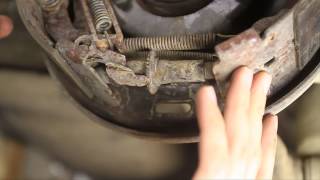
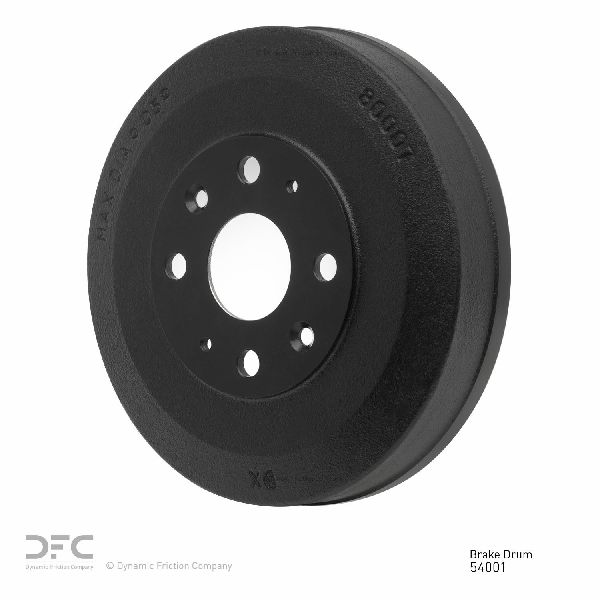
Replacing the drums is a manageable DIY project for someone with basic mechanic's tools. The main challenge can be removing the old drum if it's rusted on. Some Protege drums have threaded holes where you can insert an 8mm bolt to help push the drum off. You will also need to retract the brake shoes. Remember to use jack stands for safety.
🎬 See a step-by-step example of a 2001 Protege brake replacement.Do I need to replace my brake shoes and hardware with the drums?
Yes, it is highly recommended. New drums need a fresh, smooth surface to press against. Putting old, worn shoes on a new drum will reduce its lifespan and performance. A hardware kit is inexpensive and replaces the springs and clips that can get weak and rusty over time.
What are the most common problems when replacing Protege brake drums?
The most common issue is the old drum being seized to the hub due to rust. A large hammer may be needed to break it free. Another problem can be a dragging feeling or overheating after installation, which often points to a stuck parking brake cable or a faulty wheel cylinder, not the drum itself.
How do I adjust the new brakes?
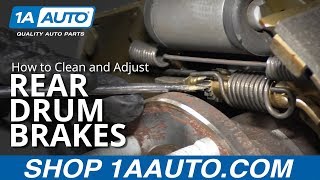
The rear drum brakes on the Protege are self-adjusting. After installation, you can typically adjust them by repeatedly applying the foot brake and engaging the parking brake lever multiple times. This allows the internal mechanism to set the correct shoe-to-drum clearance.
🎬 Learn how to manually adjust your drum brakes for better performance.Helpful Videos
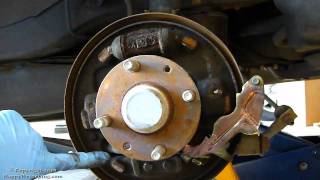
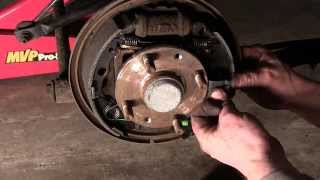
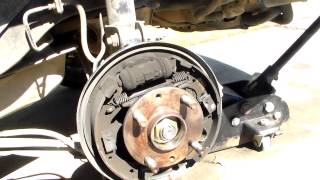
Technical Specifications
OEM Part Numbers: F2CZ1126A B59626251B BWYB-26-38Z
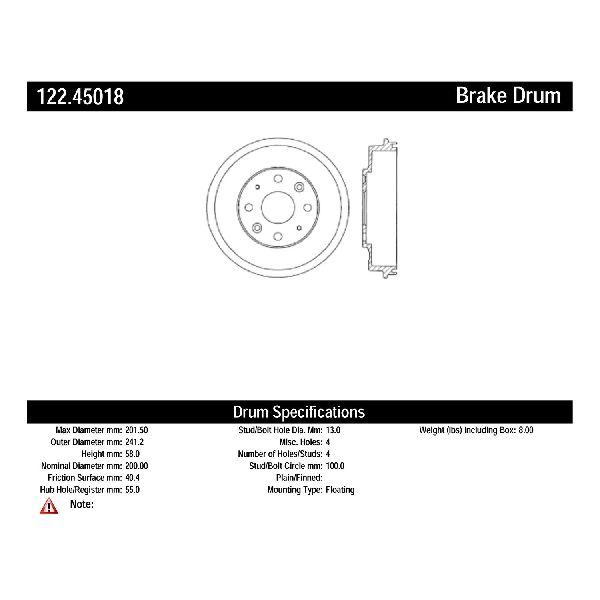
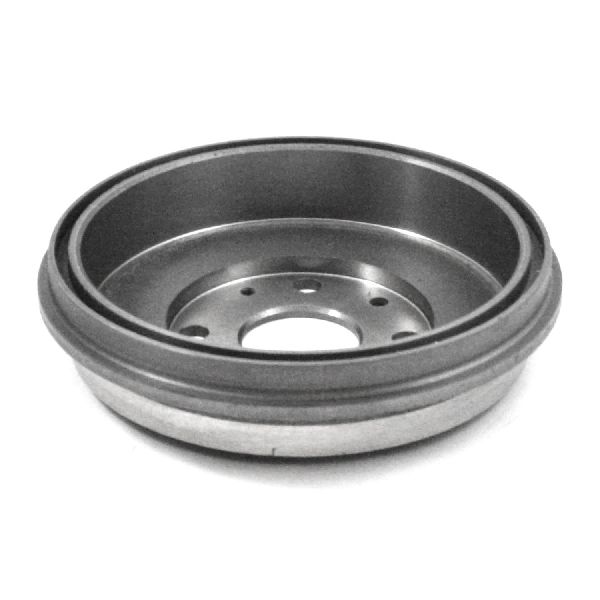
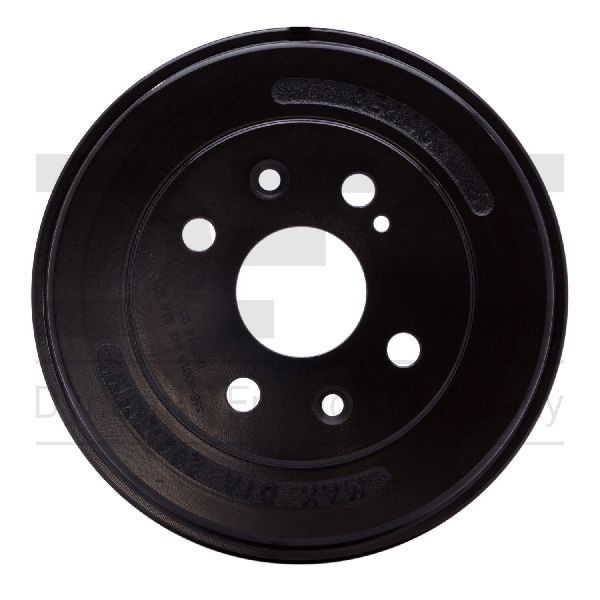
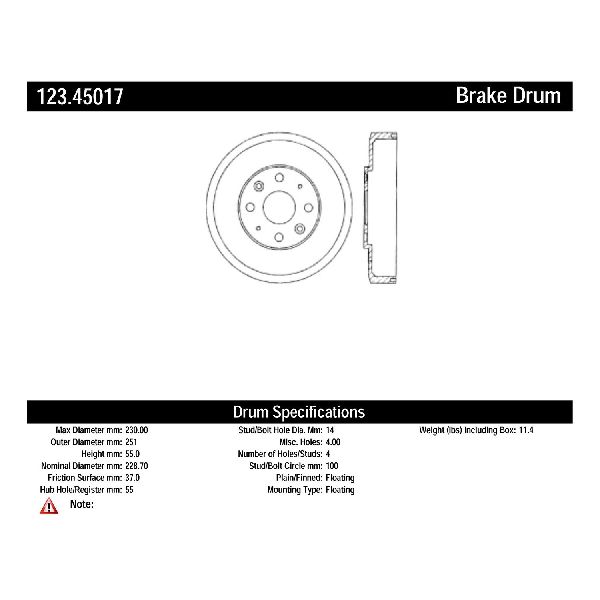
Most 1990-2003 Mazda Protege models with rear drum brakes use a 4-lug drum with an approximate inside diameter of 200mm (7.87 inches). Always verify fitment for your specific year and trim level as variations may exist.
We Have This Part in Stock

The information in this article is provided for general reference and educational purposes only. Vehicle specifications, procedures, and part compatibility can vary by production date, trim level, and region. Always consult your vehicle's factory service manual and verify part numbers before purchasing or performing repairs. Safety-critical components such as airbags, seat belts, and braking systems should be installed by a qualified professional.
- Mazda Protege: