

A Mechanic's Guide to 1990-2004 Subaru Legacy Brake Rotors
Stop brake pulsation and noise by selecting the best replacement rotors for your Legacy.
- For this generation of Legacy, quality aftermarket rotors from brands like Advics, Centric, and Brembo often meet or exceed original factory quality.
- Always replace brake pads and rotors together to ensure proper performance and longevity.
- A common issue with these cars is brake pulsation, which can often be prevented by using quality components and correctly torquing the wheel lug nuts.
- For most drivers, a premium blank-face (plain) rotor offers the best balance of performance, quiet operation, and value.
Signs Your Legacy's Rotors Need Replacing
When your brake rotors are worn, your car will give you clear warning signs. Ignoring them can lead to longer stopping distances and unsafe driving conditions. Look out for these common symptoms:
- Vibration or Pulsation: If you feel a pulsing in the brake pedal or a shaking in the steering wheel when you brake, your rotors may be "warped." This is often caused by uneven wear or pad material buildup on the rotor's surface.
- Grinding or Squealing Noises: A loud grinding or scraping sound usually means the brake pads are completely worn away and metal is grinding against the rotor. Squealing can also indicate worn or glazed rotors.
- Visible Grooves or Damage: A visual inspection can reveal a lot. If you see deep grooves, scoring, or significant rust on the rotor surface, it's time for a replacement.
- Increased Stopping Distance: If your Legacy is taking longer to stop than it used to, your rotors may be too thin to provide enough friction.
Known Issue: Rotor Warping
Owners of this generation of Subaru Legacy have reported a tendency for the rotors to warp, leading to brake pulsation. This is often not a true warping of the metal but rather an uneven deposit of brake pad material on the rotor face, which causes a variation in thickness. Using quality aftermarket rotors and pads, and ensuring your lug nuts are tightened to the correct torque specification, can help prevent this issue.
Choosing the Right Aftermarket Rotors for Your Legacy
For a vehicle from this era, aftermarket rotors often provide quality that is equal to or better than the original factory parts. Many brands offer different tiers of quality, from budget-friendly options to high-performance upgrades. Here’s how to choose:
Tier 1: Daily Driver / Economy
These brands offer a reliable, budget-friendly solution for everyday driving. They meet or exceed basic factory specifications and are a great choice for owners who just need to get back on the road safely.
- Centric (Standard/C-Tek): A popular choice offering good value.
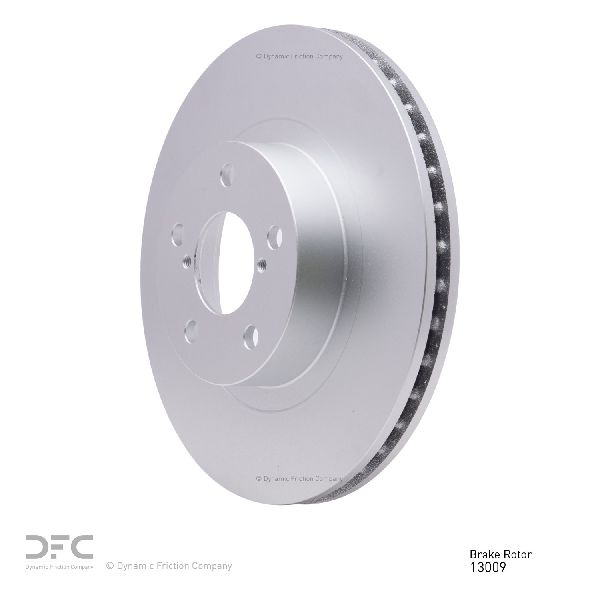
- Dynamic Friction (DFC): Known for OE-quality performance at an affordable price.
- Pronto / Perfect Stop: Solid, no-frills replacement options.
- Raybestos (Service Grade): A basic replacement line from a well-known brand.
Tier 2: Premium / OEM-Equivalent
If you want longevity and smooth, quiet performance similar to the original parts, these brands are an excellent choice. Many feature corrosion-resistant coatings on the hub and edges.
- Advics: Advics is a high-quality supplier and is often the Original Equipment Manufacturer (OEM) for Subaru brakes, making their aftermarket parts a trusted choice.
- Centric (Premium): These rotors often feature a black E-coating for rust protection and are a favorite among Subaru owners for their quality and durability.
- Bosch: A global leader in automotive parts, Bosch rotors are known for their quality and reliability.
- Raybestos (Element3): This premium line often includes a corrosion-resistant coating and is well-regarded.
- Brembo (Blank): While famous for performance brakes, Brembo's standard replacement rotors are an excellent, high-quality OEM-equivalent option.
Tier 3: Performance / Enthusiast Upgrade
For drivers seeking improved braking performance, better cooling, and a more aggressive look, these brands offer slotted, drilled, or high-carbon rotors. These are ideal for spirited driving or those who simply want a braking upgrade.
- StopTech / Powerstop: Very popular for their affordable drilled and slotted rotor kits, which include matching pads. They offer a noticeable performance boost for daily driving.
- EBC Brakes: A UK-based company offering high-quality slotted or dimpled rotors designed for performance applications.
- Hawk Performance: Often paired with their performance brake pads, Hawk rotors are designed for drivers who demand more from their braking system.
Pro Tip: Plain vs. Drilled & Slotted Rotors
For most 1990-2004 Legacy owners, a quality plain (or "blank") rotor from a premium brand like Advics or Centric is the best choice for reliability and quiet operation. Drilled and slotted rotors can offer better cooling and wet-weather performance but are generally not necessary for daily driving and can sometimes create more noise.
Frequently Asked Questions
Do I have to replace my brake pads when I replace my rotors?
Yes. It is highly recommended to replace your brake pads and rotors at the same time. Installing new rotors with old, unevenly worn pads will cause noise, reduce performance, and wear out your new rotors much faster.
What does "bedding in" new brakes mean?
Bedding-in is the process of breaking in your new pads and rotors. It involves a series of controlled stops to transfer an even layer of friction material from the pads to the rotors. This process helps prevent brake pulsation and ensures optimal performance. Always follow the manufacturer's specific bedding-in procedure.
Are there any recalls for my Legacy's brakes?
While there were no specific recalls for the disc brake rotors on the 1990-2004 Subaru Legacy, there was a significant recall for brake line corrosion on 2005-2009 models in states that use road salt. There were also numerous unrelated recalls for airbags on some of these model years. It is always best to check your specific vehicle's VIN on the NHTSA website for any open recalls.
How difficult is it to replace the rotors myself?
Replacing brake rotors is a common DIY job for those with the right tools and some mechanical experience. It involves jacking up the car, removing the wheel, brake caliper, and caliper bracket. If you are not comfortable performing this work, a qualified mechanic can do the job in about 1-2 hours.
Technical Specifications
OEM Part Numbers: 26300AE071 26700AE04C 26310AC041 26700AE03A
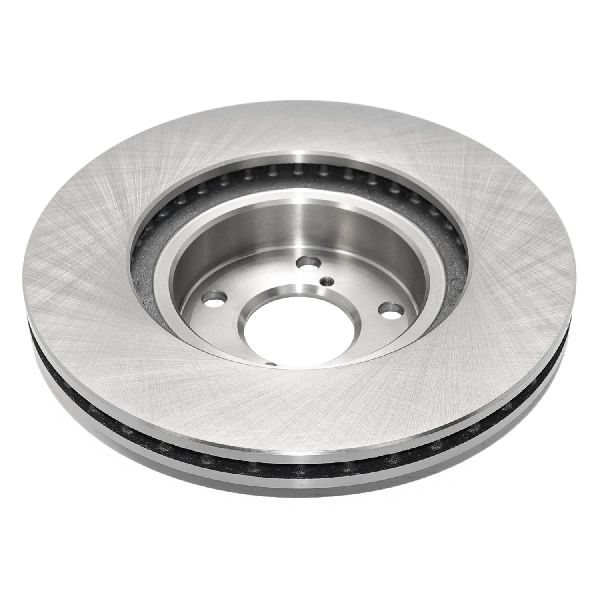
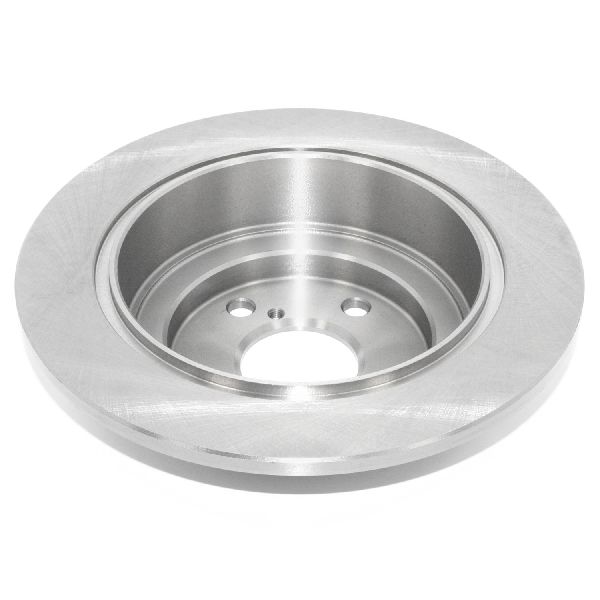
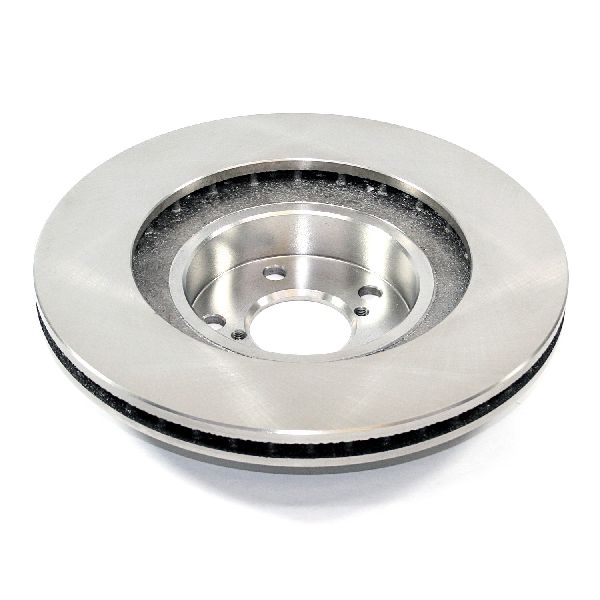
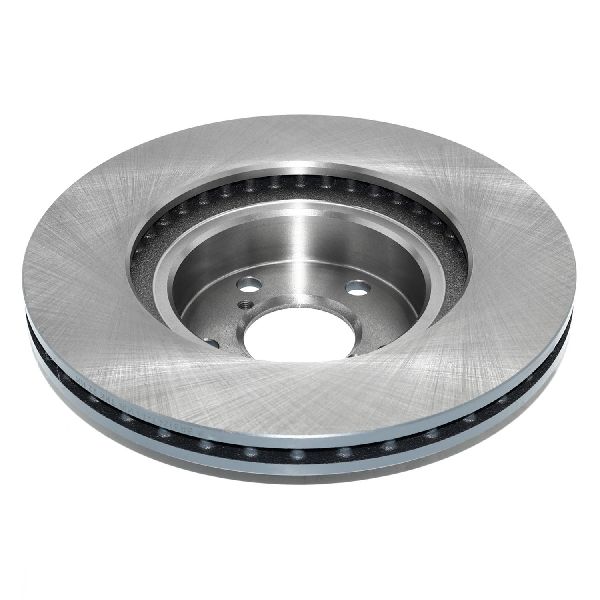
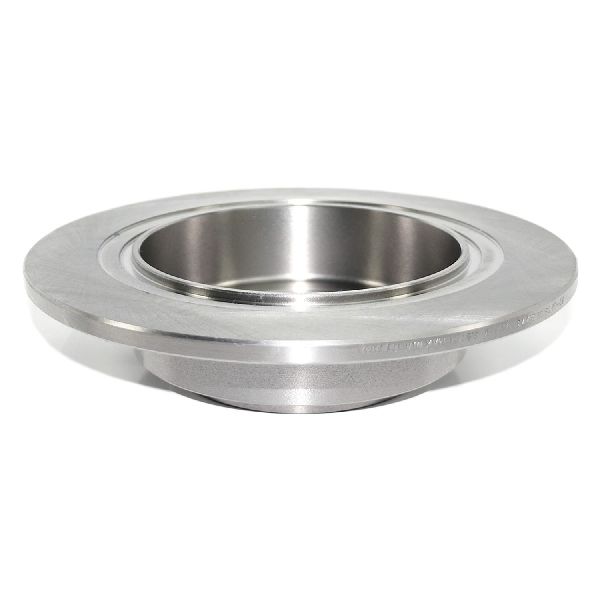
Brake rotor sizes vary by model year and trim level (e.g., L, GT, Outback). Front rotors are typically vented, while rear rotors can be solid or vented depending on the model. It is critical to verify the correct size for your specific vehicle before ordering.
We Have This Part in Stock

The information in this article is provided for general reference and educational purposes only. Vehicle specifications, procedures, and part compatibility can vary by production date, trim level, and region. Always consult your vehicle's factory service manual and verify part numbers before purchasing or performing repairs. Safety-critical components such as airbags, seat belts, and braking systems should be installed by a qualified professional.
- Subaru Legacy:
- 🛍️ Shop This Part
- Signs Your Legacy's Rotors Need Replacing
- Known Issue: Rotor Warping
- Choosing the Right Aftermarket Rotors for Your Legacy
- Tier 1: Daily Driver / Economy
- Tier 2: Premium / OEM-Equivalent
- Tier 3: Performance / Enthusiast Upgrade
- Pro Tip: Plain vs. Drilled & Slotted Rotors
- Frequently Asked Questions
- 🎟️ Get 5% Off