

Subaru Legacy Engine Coolant Bypass Hose Guide for 1990-2004 Models
Address small coolant leaks from the bypass hose before they lead to serious engine overheating in your Legacy.
- A leaking bypass hose is the most common failure; look for puddles, a sweet smell, or a dropping coolant level.
- Do not drive if the engine is overheating, as this can cause catastrophic engine damage.
- High-quality aftermarket brands like Gates or Dayco are reliable and cost-effective choices for this repair.
- Always replace old spring clamps with new screw-type clamps and properly bleed the cooling system after the repair to remove trapped air.
Symptoms of a Failing Bypass Hose
A bad coolant bypass hose will almost always result in a coolant leak. Because these hoses are made of rubber, they crack, swell, and get brittle over time. Here are the signs to watch for:
- Coolant Puddles: You may see small drips or puddles of green or blue coolant under your car, especially towards the front of the engine.
- Sweet Smell: A distinct, sweet smell from the engine bay after driving is a classic sign of an antifreeze leak.
- Low Coolant Level: You might find yourself needing to add coolant to the overflow tank more often than usual. A slow leak may not leave a puddle but will cause the level to drop over time.
- Engine Overheating: If the leak is bad enough, the loss of coolant will cause your engine's temperature gauge to climb into the red. This is a serious condition that can lead to major engine damage like a blown head gasket.
- Visible Hose Damage: Look at the hose itself. If you see cracks, bulging, or if it feels mushy or rock-hard, it needs to be replaced immediately.
Do Not Ignore Leaks
Even a small coolant leak can quickly turn into a burst hose, causing rapid coolant loss and severe engine overheating. Address any signs of a leak as soon as possible to avoid being stranded and facing expensive repairs.
Choosing the Right Aftermarket Bypass Hose
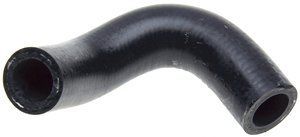
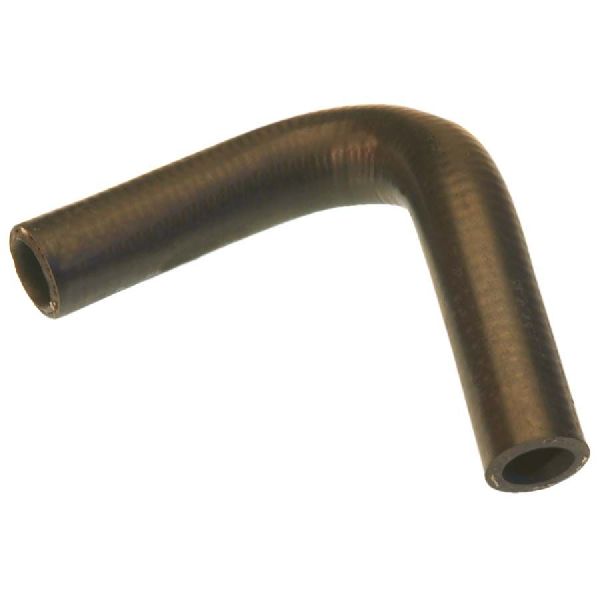
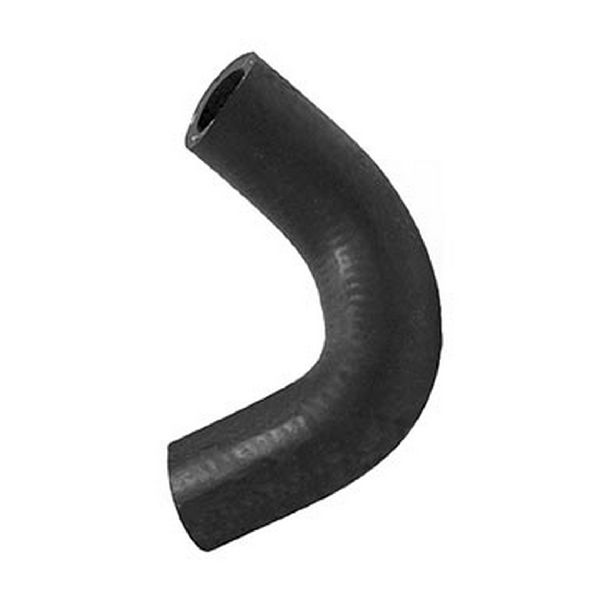
For a 1990-2004 Subaru Legacy, the original OEM hose is no longer a necessity. High-quality aftermarket brands offer excellent performance and value. The most important factor for a molded hose is that its shape matches the original part perfectly to prevent kinks that block coolant flow.
Brand Quality Tiers:
- Tier 1 (OEM Equivalents): Brands like Gates and Dayco are well-respected manufacturers of belts and hoses. Gates is an OEM supplier for many car companies and is a trusted choice in forums for its quality and durability. Dayco is also a solid option, with some users noting their hoses can be slightly thicker. You can be confident using either of these brands.
- Tier 2 (Standard Aftermarket): ACDelco is a reputable brand, though more commonly associated with GM vehicles. Since Gates sometimes manufactures parts for ACDelco, their quality is generally reliable.
Pro Tip: When you replace any coolant hose, it's a good idea to replace the spring-style clamps with new, worm-gear (screw-type) clamps. This ensures a tight, reliable seal on the new hose.
Cost to Replace a Subaru Legacy Coolant Bypass Hose
The cost is broken down into the part itself and the labor to install it. The location of the hose on your specific engine (e.g., easily accessible vs. under the intake manifold) is the biggest factor in labor cost.
| Item | Estimated Cost |
|---|---|
| New Aftermarket Part | $11.61 - $26.83 |
| Shop Labor | $90 - $350 |
| Total Estimated Cost | $102 - $377 |
Cost estimates are for the part and professional installation and can vary by location and the specific hose that needs replacement.
Frequently Asked Questions
Where is the engine coolant bypass hose located?
The location can vary slightly depending on your Legacy's specific engine. Generally, it is a short hose near the front of the engine, connecting the water pump housing to the thermostat housing or a metal coolant pipe. On some models, a similar hose is located under the intake manifold, which is much harder to access.
Can I replace the bypass hose myself?
If the hose is easily accessible, a DIY replacement is very feasible for someone with basic tools. The job involves draining some coolant, removing the old hose and clamps, installing the new parts, and refilling the coolant. However, if the hose is under the intake manifold, the job is much more complex and may be best left to a professional.
Is it okay to just use a straight piece of hose?
No. Most bypass hoses are specifically molded with bends to route around other engine parts. Using a straight hose can cause it to kink, which will block coolant flow and lead to overheating. Always use a molded hose that matches the shape of the original part.
Why is bleeding the cooling system so important on a Subaru?
The Subaru boxer engine design can easily trap air in the cooling system after it has been drained. Air pockets prevent coolant from circulating properly and will cause the engine to overheat, even with a full radiator. You must properly bleed the system after the repair to get all the air out.
Were there any recalls for this part on my Legacy?
No, searches of the NHTSA database did not find any recalls or specific Technical Service Bulletins (TSBs) for the engine coolant bypass hose on 1990-2004 Subaru Legacy models. Failures are typically due to the age and wear of the rubber.
Technical Specifications
The key specification is the molded shape of the hose. It must match the original part to ensure proper fit and prevent kinking. Hoses are typically made from EPDM rubber to withstand heat and pressure.
We Have This Part in Stock


The information in this article is provided for general reference and educational purposes only. Vehicle specifications, procedures, and part compatibility can vary by production date, trim level, and region. Always consult your vehicle's factory service manual and verify part numbers before purchasing or performing repairs. Safety-critical components such as airbags, seat belts, and braking systems should be installed by a qualified professional.
- Subaru Legacy: