

Subaru Legacy Engine Oil Pressure Switch Guide (1990-2004)
Understanding the common oil leaks and flickering dash lights related to your Legacy's oil pressure switch.
- The most common failure is an external oil leak through the body of the switch; look for oil under the alternator.
- Never ignore a flickering or solid oil light; always verify the oil level and pressure before assuming the switch is bad.
- Replacement is easy for DIY, but be extremely careful not to overtighten the new switch, as this can crack the engine block.
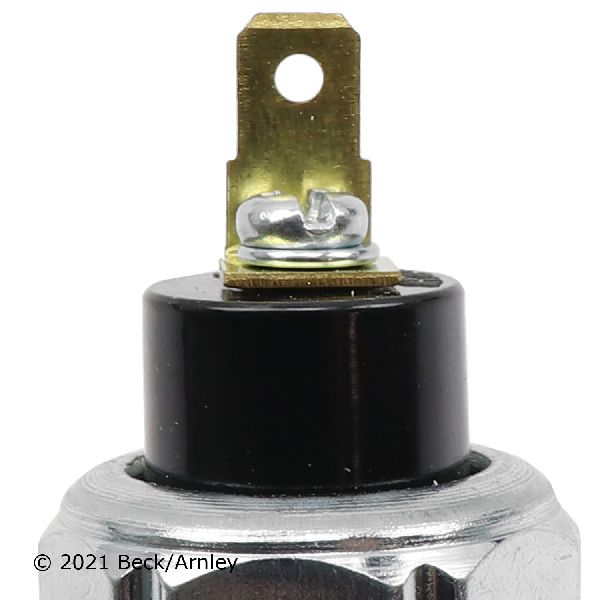
- A quality aftermarket brand like Beck Arnley or Standard Ignition is a reliable and cost-effective choice for this repair.
Is a Failing Oil Pressure Switch a Big Deal?
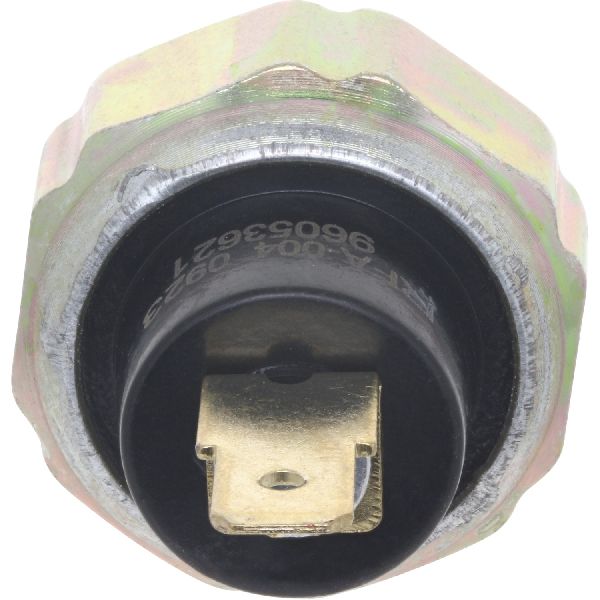
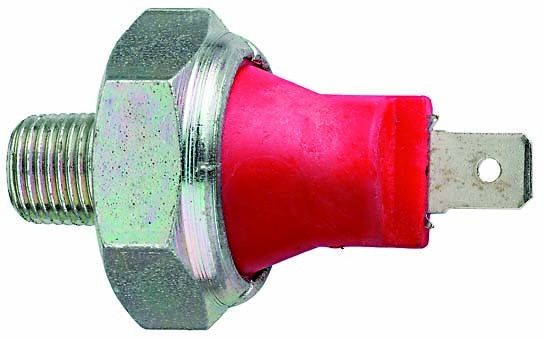
Yes and no. The switch itself is a cheap and easy part to replace. However, the warning it provides is critical. A common failure for the 1990-2004 Subaru Legacy is for the switch to leak oil externally. The oil seeps through the body of the sensor, often coating the electrical connector and dripping down the engine block. This can make a mess and cause you to lose a small amount of oil over time. Another failure is when the switch malfunctions internally, causing the oil light to flicker, stay on when it shouldn't, or not come on at all during the initial key-on check. The biggest danger is ignoring the light; you must first confirm the engine has proper oil pressure with a mechanical gauge before assuming the switch is the only problem.
Don't Ignore the Oil Light
If your red oil pressure light comes on while driving, stop the car immediately in a safe location and turn off the engine. Driving with low oil pressure can destroy your engine in minutes. Always verify the oil level first. If the level is good, the problem could be the switch, but it could also be a failing oil pump or other serious internal engine issue.
Common Failure Symptoms
- Oil leak from the switch: This is the most common issue. Oil will seep through the plastic part of the sensor, where the electrical connector attaches. You'll see oily residue or drips on the engine block below the switch 🎬 Watch: How to fix an oil leak by replacing the switch, which is typically located on top of the engine near the alternator.
- Flickering oil light: The oil light on your dash may flicker intermittently, especially at idle or during acceleration. This can be caused by a faulty switch or a loose electrical connection.
- Oil light is on, but oil level is fine: If you've checked your dipstick and the oil level is correct, the switch may be sending a false signal.
- Oil light does not turn on: The oil light should illuminate for a few seconds when you first turn the key to the "ON" position before starting the engine. If it doesn't, the switch or the bulb may have failed. 🎬 Watch: How to test the oil pressure switch and warning light
Choosing an Aftermarket Replacement
For a simple part like an oil pressure switch, a quality aftermarket brand offers excellent value compared to the OEM part. The original Subaru switches are known to fail and leak over time, so an aftermarket part is not a downgrade. The key is choosing a reputable brand.
- Tier 1 (Good Quality): Brands like Standard Ignition (SMP) and Beck Arnley are well-regarded in the repair industry. They focus on meeting or exceeding OEM specifications for fit and function. Beck Arnley often sources parts from a network of global partners, sometimes even reboxing the original OEM part.
- Tier 2 (Economy): Brands like Facet and Holstein are budget-friendly options. They can be a good choice if cost is the primary concern, but their long-term durability may not match the higher-tier brands.
- Rostra Powertrain: This brand is generally known for transmission components and may be less common for this specific sensor.
Pro Tip: Installation
Replacing the switch is a simple DIY job. It's located on the top of the engine block, usually under the alternator. You will need a deep socket (often 24mm) to remove and install it. When installing the new switch, apply a small amount of thread sealant to the threads to prevent leaks and tighten it carefully to the specified torque (around 18 ft-lbs). Overtightening can crack the engine block, turning a simple repair into a catastrophe.
🎬 See this walkthrough for replacing the oil pressure sender| Part Type | Estimated Cost |
|---|---|
| New Aftermarket | $7 - $73 |
| New OEM | $25 - $45 |
| Shop Labor | $50 - $100 |
Frequently Asked Questions
Where is the oil pressure switch located on my Legacy?
On most 1990-2004 Subaru Legacy models with the EJ-series engine, the oil pressure switch is located on the top of the engine block, just underneath and slightly behind the alternator. You will need to disconnect the single wire and use a deep socket to remove it.
Can I drive with a bad oil pressure switch?
If the switch is just leaking a small amount of oil, you can drive it, but you should check your oil level frequently and get it replaced soon. If the oil light is on or flickering, you should not drive the car until you have confirmed the engine has proper oil pressure with a mechanical gauge. Ignoring a true low-pressure situation will lead to catastrophic engine failure.
Do I need a special tool to replace the oil pressure switch?
You will likely need a deep 24mm socket to fit over the body of the sensor. A standard socket will not be deep enough. You will also need a ratchet and possibly an extension. A torque wrench is highly recommended for installation to avoid overtightening.
Are there any recalls for the oil pressure switch?
There are no specific recalls on the NHTSA database for the engine oil pressure switch itself for the 1990-2004 Subaru Legacy. There was a recall for some 2004 turbo models for loose bolts on the variable valve timing oil control valve causing an oil leak, but this is a different issue.
Helpful Videos
Technical Specifications
OEM Part Numbers: 25240AA060
Location: Top of engine block, under alternator. Socket Size: Typically 24mm deep socket. Torque Spec: Approx. 18 ft-lbs (25 Nm).
We Have This Part in Stock


The information in this article is provided for general reference and educational purposes only. Vehicle specifications, procedures, and part compatibility can vary by production date, trim level, and region. Always consult your vehicle's factory service manual and verify part numbers before purchasing or performing repairs. Safety-critical components such as airbags, seat belts, and braking systems should be installed by a qualified professional.
- Subaru Legacy: