

Chevrolet Astro Disc Brake Caliper Guide: 1990-2005
Get the right new aftermarket brake calipers for your Astro van and stop with confidence.
- A seized or leaking brake caliper is a critical safety failure; do not drive the vehicle.
- Always replace calipers in pairs (left and right) to ensure balanced braking.
- Verify fitment for your specific van, as RWD and AWD models may use different calipers.
- Strongly consider replacing the flexible rubber brake hoses at the same time, as they can cause similar symptoms when they fail internally.
Is Your Astro's Brake Caliper Failing?
On a 1990-2005 Chevrolet Astro, the brake calipers do a lot of work to stop this heavy van. Over time, they can wear out, stick, or leak. A failing caliper is a serious safety issue that needs immediate attention. Ignoring the signs can lead to complete brake failure.
Common Symptoms of a Bad Brake Caliper:
- Vehicle Pulls to One Side: When you brake, the van may pull sharply to the left or right. This can be caused by one caliper sticking or failing to apply pressure.
- Spongy or Hard Brake Pedal: A pedal that feels unusually soft, spongy, or extremely hard to press can point to a caliper problem. A hard pedal was noted by one owner with a seized caliper.
- Uneven Brake Pad Wear: If you notice one brake pad is worn down much more than the other, it's a classic sign of a sticking caliper or frozen slide pins.
- Brake Fluid Leaks: Puddles of fluid near your wheels are a clear sign of a leak from the caliper seals or the brake hose connection.
- Grinding or Squealing Noises: While often caused by worn pads, persistent grinding can also happen when a caliper is stuck and won't release from the rotor.
A Note on Brake Hoses
Old, soft brake hoses can collapse internally, trapping brake fluid. This can cause the caliper to stay engaged, mimicking the symptoms of a seized caliper. It is highly recommended to inspect and replace the flexible brake hoses when you replace your calipers, especially on a vehicle of this age.
Choosing the Right Aftermarket Caliper
For the 1990-2005 Astro, the aftermarket is your main source for new calipers. New Original Equipment (OEM) parts are likely unavailable or extremely expensive. Aftermarket parts offer a range of options from budget-friendly to performance-oriented.
New vs. Remanufactured
Most calipers available for your Astro will be either new aftermarket or remanufactured.
- New Aftermarket: These are made from all-new materials. Brands like Raybestos and Dynamic Friction offer new calipers that often feature corrosion-resistant coatings, which is a major plus for vehicles driven in winter climates.
- Remanufactured: These use the original caliper body (the "core") which is cleaned, inspected, and rebuilt with new seals, pistons, and hardware. Brands like Cardone and BBB Industries are well-known for remanufactured parts. They are a cost-effective and environmentally friendly option, but quality can vary. When buying a remanufactured caliper, you will usually pay a "core charge," which is a deposit you get back when you return your old caliper.
Brand Tiers for Your Astro
- Premium & Performance (ACDelco, Powerstop, Raybestos): ACDelco offers professional-grade new and remanufactured options that are considered OEM-equivalent. Powerstop calipers often come as part of a kit with upgraded pads and rotors, and may feature powder coatings for appearance and protection. Raybestos is highly regarded for its new coated calipers that resist rust.
- Standard Replacement (Cardone, Centric, Dynamic Friction): These brands provide reliable, direct-fit replacements that meet or exceed original specifications. Cardone is a major player in the remanufactured market. Centric and Dynamic Friction offer a wide range of quality new parts.
- Economy (BBB Industries, various store brands): These are often remanufactured calipers that provide a functional, budget-friendly solution to get your van back on the road safely.
Check Your Drivetrain!
Some parts listings show different calipers for Rear-Wheel Drive (RWD) and All-Wheel Drive (AWD) Astro models. Always verify the part fits your specific drivetrain before ordering.
Estimated Replacement Costs
The cost to replace a brake caliper on your Astro will depend on the part you choose and local labor rates. It is strongly recommended to replace calipers in pairs (both front left and front right) to ensure even braking performance.
| Item | Estimated Cost (Per Caliper) |
|---|---|
| New Aftermarket Caliper | $30 - $210 |
| Shop Labor | $125 - $250 |
| Total Estimated Cost (Per Caliper) | $155 - $460 |
Frequently Asked Questions
Should I replace my brake calipers in pairs?
Yes. It is always recommended to replace calipers on the same axle at the same time. This ensures balanced braking force and prevents the vehicle from pulling to one side. An old caliper will not perform the same as a new one.
What is a "core charge"?
A core charge is a deposit paid when you buy a remanufactured part. The "core" is your old, used part. You get the deposit back when you return the old part to the seller. This allows the manufacturer to rebuild it for a future customer.
Do I need to buy a new caliper bracket?
No. On the 1990-2005 Chevrolet Astro, the front caliper mounting bracket is integrated directly into the steering knuckle (spindle). The caliper bolts directly to the knuckle. You will reuse the existing mounting points.
Do I need to bleed the brakes after replacing a caliper?
Yes, absolutely. Whenever you open the hydraulic system by removing a caliper or brake hose, air gets in. You must bleed the brake system to remove all air bubbles. Air in the lines will cause a spongy pedal and severely reduced braking power.
Technical Specifications
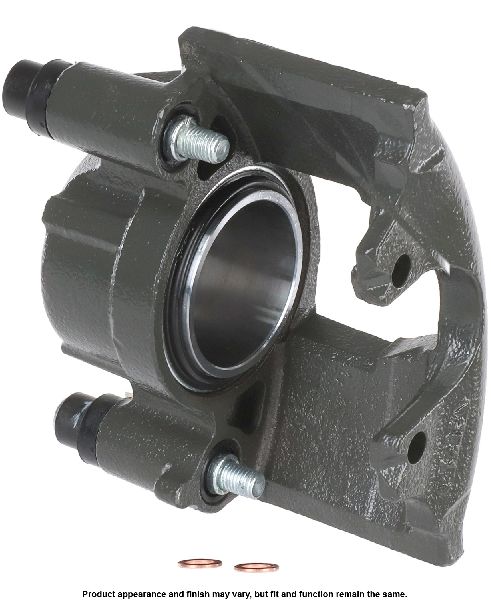
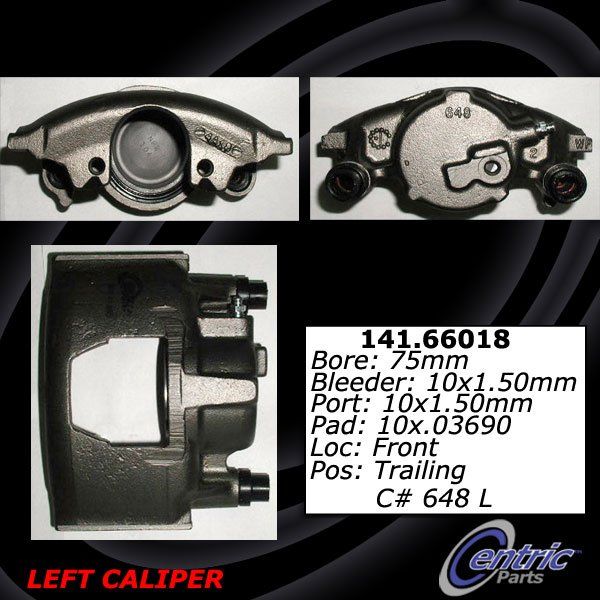
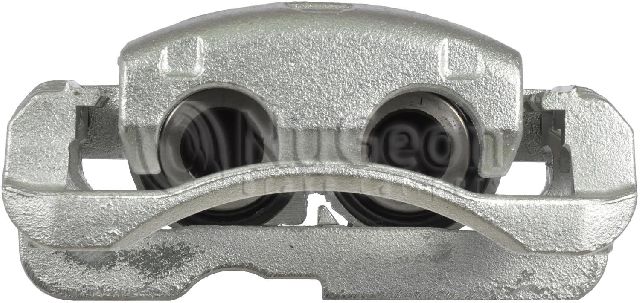
The 1990-2005 Chevrolet Astro typically uses a floating, single-piston front disc brake caliper. The caliper bracket is integrated into the steering knuckle. Piston material is typically steel. Specific part numbers vary by year and drivetrain (RWD vs. AWD), so always confirm fitment with your vehicle's VIN.
We Have This Part in Stock


The information in this article is provided for general reference and educational purposes only. Vehicle specifications, procedures, and part compatibility can vary by production date, trim level, and region. Always consult your vehicle's factory service manual and verify part numbers before purchasing or performing repairs. Safety-critical components such as airbags, seat belts, and braking systems should be installed by a qualified professional.
- Chevrolet Astro: