

Chevrolet Astro Steering Drag Link Guide for 1990-2005 Models
If your Astro's steering feels loose or wanders on the road, a worn drag link is a likely cause.
- A worn drag link is a primary cause of loose steering and wandering in 1990-2005 Astro vans.
- This is a critical safety part; do not delay replacement if you have symptoms of failure.
- Premium aftermarket brands like Moog and Delphi are highly recommended for durability.
- A professional front-end alignment is mandatory after replacing the drag link.
Is Your Astro's Steering Feeling Vague?
A common issue on the 1990-2005 Chevrolet Astro is the development of loose or sloppy steering over time. This is often caused by wear in the front steering components, and the drag link is a primary suspect. The drag link has joints on its ends that wear out, creating play in the steering system. This wear is normal but can make the van feel unsafe and difficult to control, especially in crosswinds or on the highway.
Symptoms of a Failing Drag Link
A worn drag link will give you several clear warning signs. If you notice any of these, it's time to inspect your steering system.
- Loose Steering: This is the most common symptom. You'll notice excessive play in the steering wheel, meaning you can turn it slightly without the van changing direction.
- Vehicle Wandering: The van may drift to the left or right on its own, requiring you to constantly make small corrections to stay straight.
- Clunking or Popping Noises: You might hear noises from the front end when turning the steering wheel, especially at low speeds.
- Uneven Tire Wear: When the drag link is worn, it can throw off the vehicle's alignment, causing the inside or outside edges of your front tires to wear down faster than normal.
- Steering Wheel Vibration: A shimmy or vibration that you can feel in the steering wheel can also be a sign of worn drag link joints.
Safety First
The drag link is a critical safety component. A complete failure means a total loss of steering control. If you suspect your drag link is failing, get it inspected and replaced as soon as possible.
Choosing the Right Aftermarket Drag Link
Since the 1990-2005 Astro is an older vehicle, aftermarket parts are the most common and affordable solution. The original GM parts may be difficult to find or expensive. Aftermarket brands offer a range of options to fit your budget and needs. Generally, they fall into a few tiers.
| Brand Tier | Brands | Quality & Notes |
|---|---|---|
| Premium | Moog, Delphi | Often considered to meet or exceed original equipment (OE) quality. Moog is well-regarded for its "Problem Solver" designs which often feature improvements like greaseable fittings for longer life. Delphi is a major OE supplier to GM, so their parts are a trusted choice. |
| Mid-Grade | Mevotech, Dorman | These brands offer a good balance of quality and price. Mevotech has different lines, with their TTX and Supreme lines being higher quality and well-regarded by some users. Dorman provides a wide variety of parts and can be a cost-effective choice for daily driving. |
| Economy | QuickSteer, Suspensia | These are budget-friendly options. They are suitable if you need to get your van back on the road for the lowest cost, but may not offer the same longevity as premium brands. |
Pro Tip: Get an Alignment
Replacing the drag link will affect your vehicle's alignment. You must get a professional front-end alignment immediately after installation. This will prevent rapid tire wear and ensure your van drives straight and your steering wheel is centered.
Known Issues, Recalls, and TSBs
Searches for the 1990-2005 Chevrolet Astro did not reveal any specific recalls or Technical Service Bulletins (TSBs) directly related to the steering drag link itself. However, there were some TSBs for related steering components like the steering knuckle and power steering noise, which highlights the importance of inspecting the entire system when you experience problems. The most common issue reported by owners is simply accelerated wear on all steering components, including the drag link, idler arms, and tie rods, leading to the classic "Astro van wander."
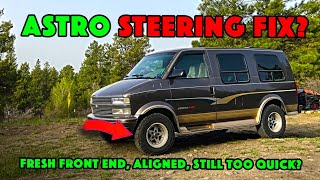
🎬 Watch this video to understand Astro steering ratio issues and fixes.Frequently Asked Questions (FAQ)
Do I need special tools to replace the drag link?
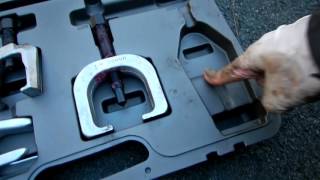
Yes, you will likely need a special tool called a pitman arm puller or a "pickle fork" to separate the tapered joints of the drag link from the pitman arm and steering linkage. These can often be rented from auto parts stores. You will also need a good socket set, wrenches, and a torque wrench.
Should I replace other parts at the same time?
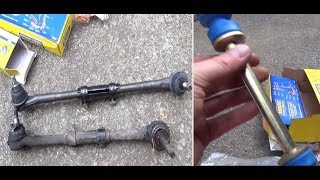
Yes. While you are replacing the drag link, it is a perfect time to inspect the rest of the steering components. Check the idler arms, pitman arm, and tie rod ends for any signs of play or wear. These parts wear out at a similar rate, and replacing them all at once can save you time and the cost 🎬 See how to replace the center link and idler arms together. of multiple alignments. Many companies sell complete front-end rebuild kits.
Is the drag link the same for 2WD and AWD models?
Fitment can vary. While many parts cover the full range, it is critical to verify the part fits your specific model 🎬 Learn how to replace tie rods and steering links on AWD models. (AWD or RWD) before ordering. Always use your vehicle's specific information when purchasing parts.
What is the difference between a drag link and a center link?
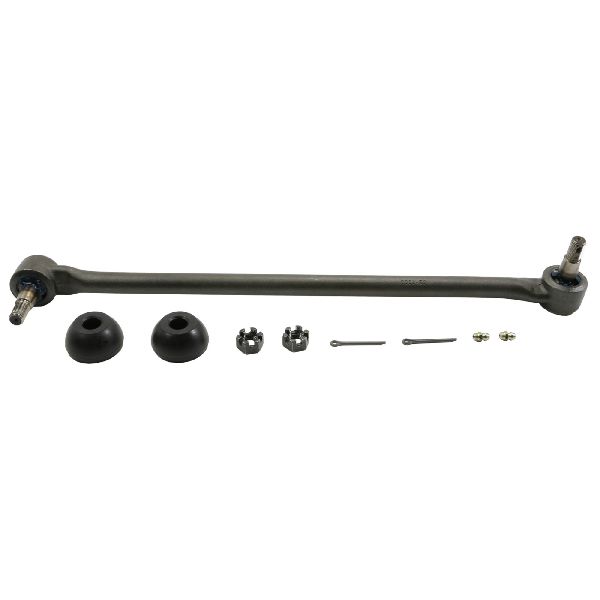
The terms are often used interchangeably for this type of steering system. On the Astro, the drag link (or center link) is the main bar that connects the pitman arm from the steering box to the idler arms and tie rods, tying the whole steering system together.
Helpful Videos
Technical Specifications
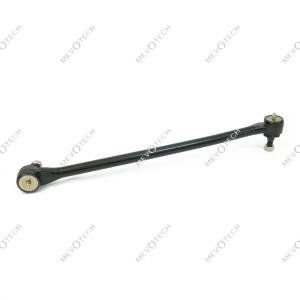
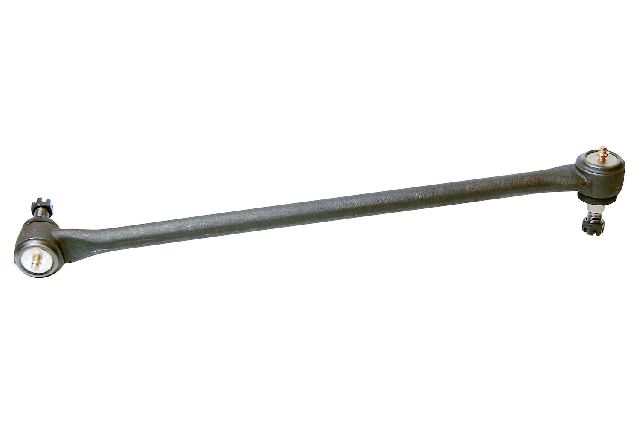
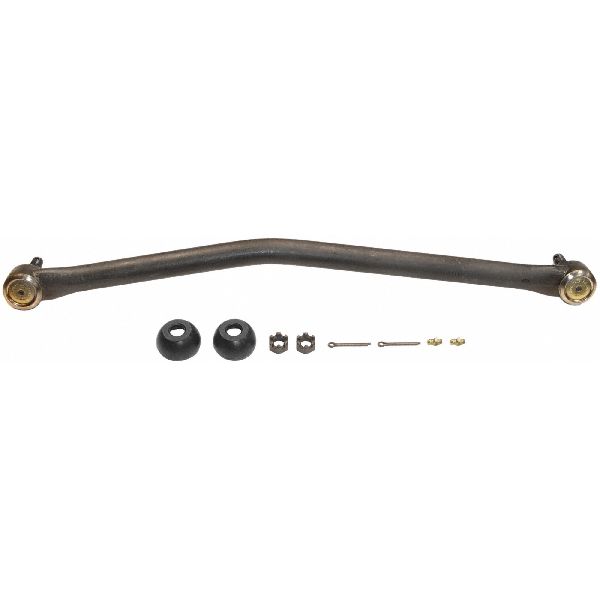
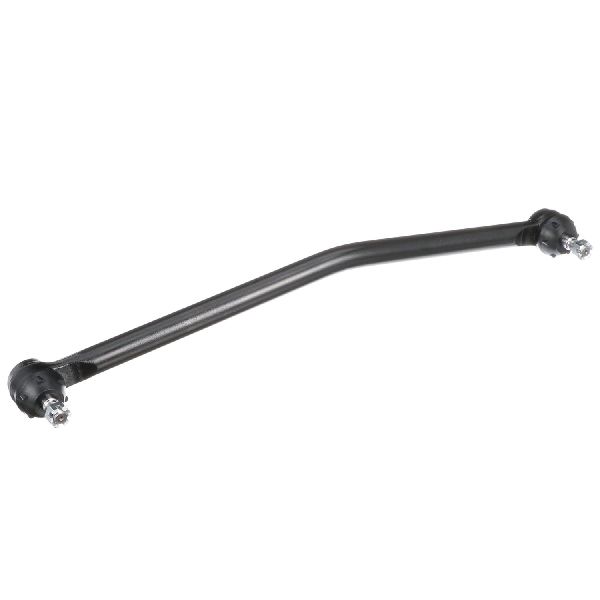
The drag link, also called a center link, connects the pitman arm to the idler arms and tie rods. It is a central component in the parallelogram steering linkage used on the Chevrolet Astro. Aftermarket versions from brands like Moog often include greaseable fittings to improve service life.
We Have This Part in Stock

The information in this article is provided for general reference and educational purposes only. Vehicle specifications, procedures, and part compatibility can vary by production date, trim level, and region. Always consult your vehicle's factory service manual and verify part numbers before purchasing or performing repairs. Safety-critical components such as airbags, seat belts, and braking systems should be installed by a qualified professional.
- Chevrolet Astro: