

Choosing the Right Disc Brake Pads for Your 1990-2005 GMC Safari
Get the stopping power and durability your van needs by selecting the best aftermarket brake pads for your driving style.
- Choose pad material based on use: ceramic for quiet daily driving, semi-metallic for towing and heavy loads.
- Always inspect or replace brake rotors when changing pads to ensure proper performance and safety.
- Stick to reputable aftermarket brands like ACDelco, Wagner, Bosch, Raybestos, or Powerstop for reliable quality.
- Early models (1990-1992) were subject to a recall for corroding front rotors; ensure your van's rotors are in good condition.
Symptoms of Worn Brake Pads
Your Safari will give you clear signs when the brake pads are nearing the end of their life. Ignoring them can lead to more expensive repairs. Many pads have a small metal tab called a wear indicator that makes a high-pitched squeal when the pads are low. Don't ignore this sound.
- Squealing or Screeching: A high-pitched noise when you apply the brakes is often the first sign.
- Grinding Noise: If you hear a deep, metallic grinding, it means the pads are completely worn away. This is a serious issue that can damage your brake rotors.
- Longer Stopping Distance: If your van takes longer to stop than it used to, your pads may be worn out or ineffective.
- Vibration or Pulsing: A pulsing or vibrating feeling in the brake pedal can indicate warped rotors, which can be caused by worn-out pads.
- Hard Brake Pedal: Some owners have reported a hard-to-press brake pedal, which could be related to seized calipers or issues with the brake booster.
Known Issues, Recalls, and Service Bulletins
Recall on Early Model Rotors
A recall was issued for 1990-1992 GMC Safari models concerning the original composite front brake rotors. Corrosion could cause the rotor sections to separate, leading to a partial loss of front braking. Dealers were to replace these with rotors that have a protective coating. While this recall is old, it's important to be aware of if you own an early model.
Technical Service Bulletin (TSB)
A TSB (PIT-3665-A) was released for a wide range of GM vans, including the Safari, for an issue where the brake pedal might move down during a full-lock turn. This is not directly a pad issue but is part of the vehicle's brake system history.
Choosing the Right Aftermarket Brake Pads
Aftermarket pads offer a wider selection and often better value than dealership parts. For your Safari, the choice comes down to your primary use: daily driving or heavy-duty work like towing and hauling.
Pad Material: Ceramic vs. Semi-Metallic
This is the most important decision you'll make. The material determines the pad's performance characteristics.
- Ceramic Pads: These are a great choice for a daily-driven Safari. They are known for being very quiet and producing minimal, light-colored brake dust, which keeps your wheels cleaner. They provide smooth, consistent stopping for normal driving. However, they may not be the best choice for heavy towing, as they can lose some effectiveness under extreme heat.
- Semi-Metallic Pads: If you use your Safari for towing, hauling heavy loads, or driving in mountainous areas, semi-metallic pads are the better option. They handle high heat better and provide stronger stopping power under load. The trade-offs are that they can be noisier and produce more dark-colored dust than ceramic pads. Some owners have switched from ceramic to semi-metallic pads to solve brake shudder issues.
Pro Tip: For a heavy vehicle like the GMC Safari, semi-metallic pads often provide a greater margin of safety for towing and heavy loads due to their superior heat management and bite.
Brand Tiers for Your Safari
Not all brands are created equal, but many reputable companies offer different tiers to match your budget and needs. Forum discussions among Safari and Astro van owners frequently recommend trusted names.
- Economy / Daily Driver (Good): Brands like Dynamic Friction, Pronto, and Total Stopping Solutions offer affordable, reliable pads for normal, everyday driving. They meet or exceed basic factory specifications and are a good step up from generic, no-name parts.
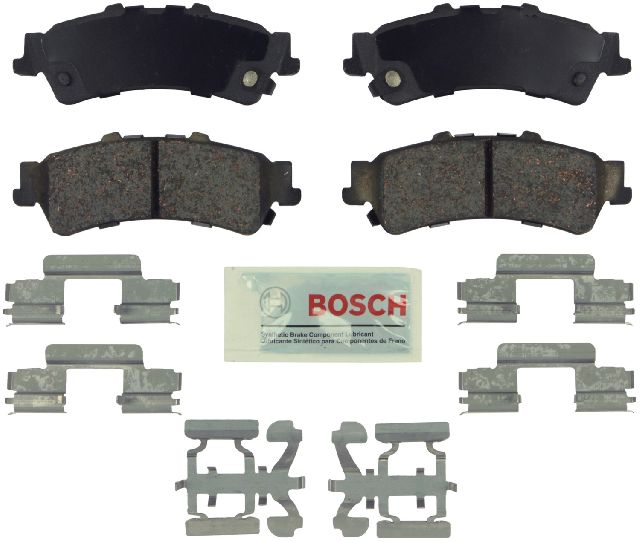
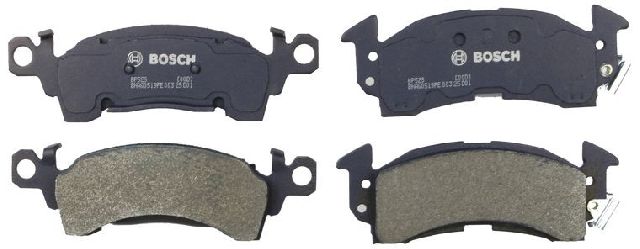
- OEM-Quality / Premium (Better): This is the sweet spot for most owners. Brands like ACDelco (Professional), Bosch QuietCast, Wagner OEX/ThermoQuiet, and Raybestos Element3 provide excellent, quiet performance and durability that's comparable or superior to the original factory pads.
- Heavy-Duty / Performance (Best): For maximum stopping power, especially when towing, look to brands like Powerstop (Z36 Truck & Tow), Hawk Performance, and EBC Brakes. These pads are engineered specifically for the high-heat and heavy-load conditions that work vans experience.
| Pad Tier | Typical Price Range (Per Axle) | Best For |
|---|---|---|
| Economy / Daily Driver | $30 - $60 | Normal commuting, light loads |
| OEM-Quality / Premium | $50 - $120 | All-around use, quiet operation, longevity |
| Heavy-Duty / Performance | $80 - $240+ | Towing, hauling, mountain driving |
Frequently Asked Questions
Do I need to replace my rotors at the same time as my pads?
It is highly recommended. Installing new pads on old, worn, or warped rotors can cause noise, vibration, and reduced performance. At a minimum, have the rotors inspected for thickness and runout (warping). If they are within spec, they can sometimes be resurfaced, but replacement often provides the best long-term results.
What's the difference between front and rear brake pads on my Safari?
Most 1990-2002 models came with disc brakes in the front and drum brakes in the rear, so you would only need front pads. Models from 2003-2005 have disc brakes on all four wheels and require both front and rear pad sets, which are different shapes and sizes. Always verify your vehicle's specific setup.
How difficult is it to change the brake pads myself?
For a mechanically inclined person with the right tools, changing the brake pads on a Safari is a very feasible DIY job. The process is straightforward, involving removing the wheel and a few bolts on the brake caliper. However, brakes are a critical safety system, so if you are not 100% confident, leave the job to a professional mechanic.
Should I flush my brake fluid when I change the pads?
Yes, it's a great time to do it. Brake fluid absorbs moisture over time, which can lead to corrosion and a spongy or hard pedal feel. Most manufacturers, including GM, recommend flushing the brake fluid every few years to maintain safety and performance.
Technical Specifications
Brake system varies by year and drivetrain (RWD vs AWD). Most 1990-2002 models use front disc brakes and rear drum brakes. 2003-2005 models use four-wheel disc brakes. Always confirm your specific configuration before ordering parts.
We Have This Part in Stock
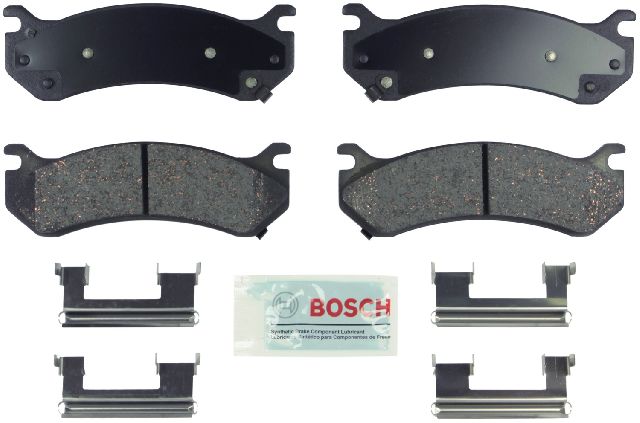
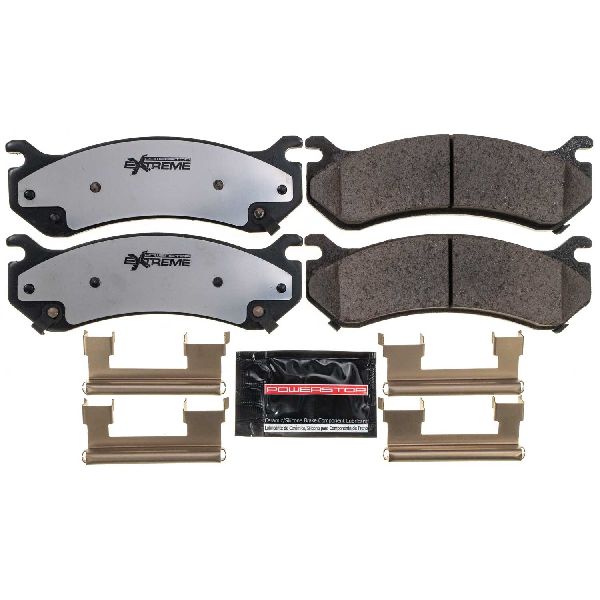
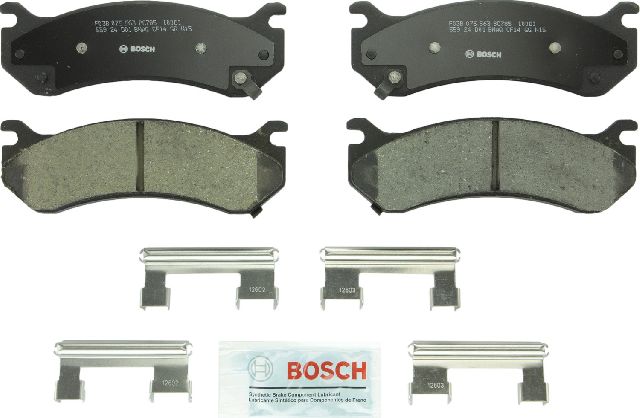
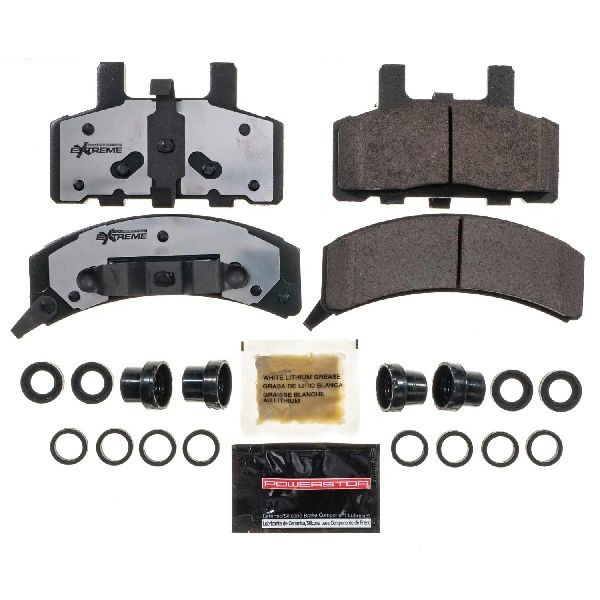

The information in this article is provided for general reference and educational purposes only. Vehicle specifications, procedures, and part compatibility can vary by production date, trim level, and region. Always consult your vehicle's factory service manual and verify part numbers before purchasing or performing repairs. Safety-critical components such as airbags, seat belts, and braking systems should be installed by a qualified professional.
- GMC Safari:
- 🛍️ Shop This Part
- Symptoms of Worn Brake Pads
- Known Issues, Recalls, and Service Bulletins
- Recall on Early Model Rotors
- Technical Service Bulletin (TSB)
- Choosing the Right Aftermarket Brake Pads
- Pad Material: Ceramic vs. Semi-Metallic
- Brand Tiers for Your Safari
- Frequently Asked Questions
- 🎟️ Get 5% Off