

Chevrolet Corvette Oxygen Sensor Guide for C4, C5, & C6 (1990-2008)
Learn to identify and choose the right oxygen sensor to fix your Corvette's check engine light and restore performance.
- Your 1990-2008 Corvette has between one and four oxygen sensors; confirm the location (upstream/downstream, bank 1/2) before purchasing.
- For best results and to avoid compatibility issues, choose OEM-equivalent brands like ACDelco, Denso, or NGK/NTK.
- A bad oxygen sensor will cause a check engine light, poor gas mileage, and rough running; replacing it can restore performance and prevent damage to other components.
- Replacement is a feasible DIY job for most owners with the correct O2 sensor socket.
Understanding Your Corvette's Oxygen Sensors

A failing oxygen sensor is a common issue on any vehicle, including the 1990-2008 Chevrolet Corvette. These sensors live in a harsh environment and eventually wear out. When they fail, they can cause a variety of noticeable problems. Ignoring a bad O2 sensor can lead to reduced fuel economy, poor engine performance, and even damage to your expensive catalytic converters over time.
Generation & Model Year Differences
It's crucial to know how many sensors your Corvette has, as it changed significantly over the years:
- C4 (1990-1995): Early L98 engines typically have one sensor located on the driver's side exhaust pipe. Later LT1 engines have two, one for each exhaust bank. 🎬 See this walkthrough for swapping a 1996 C4 oxygen sensor ZR-1 models use two heated sensors.
- C4 (1996), C5 (1997-2004), & C6 (2005-2008): These OBD-II compliant models have four oxygen sensors. There are two "upstream" (or pre-catalytic converter) sensors that control the air/fuel mixture, and two "downstream" (or post-catalytic converter) sensors that monitor the efficiency of the catalytic converters.
Upstream vs. Downstream Sensors
Upstream (Sensor 1) and Downstream (Sensor 2) sensors are not interchangeable. The upstream sensors are vital for engine performance and fuel mixture. The downstream sensors primarily check if the catalytic converters are working. A code for a downstream sensor will not typically affect how the car drives, but it will keep the Check Engine Light on.
🎬 Watch: How to properly diagnose a faulty Corvette oxygen sensorChoosing the Right Aftermarket Oxygen Sensor

Many Corvette owners have strong opinions on which brands to use. For a critical part like an O2 sensor, brand choice matters. The consensus among Corvette enthusiasts is to stick with brands known for their compatibility with GM's engine computers.
Brand Quality Tiers for Corvettes
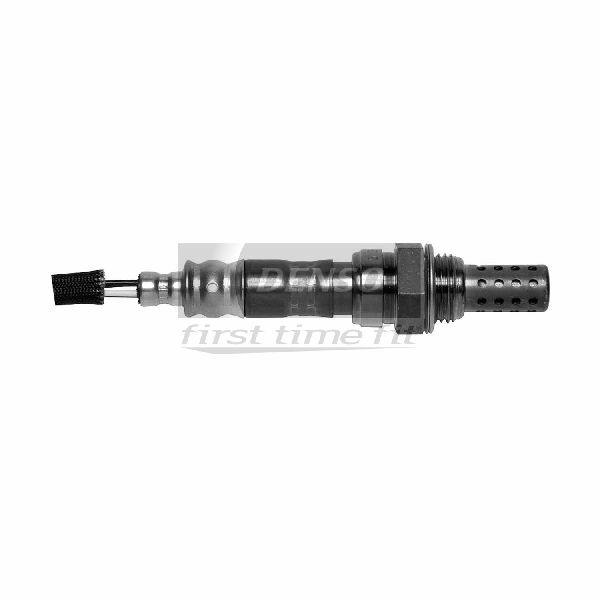
- Tier 1 (OEM & OEM-Equivalent): ACDelco is the original GM parts brand and the safest choice. However, many forum users note that ACDelco sensors are often manufactured by Denso. Denso and NGK/NTK are highly recommended by Corvette owners for their reliability and compatibility. These brands are often the original equipment manufacturer and provide the best performance and longevity.
- Tier 2 (Reputable Aftermarket): Delphi and Walker Products are generally considered reliable aftermarket options that work well in Corvettes. They offer a good balance of price and quality.
- Tier 3 (Mixed Reviews/Use with Caution): While a major automotive parts supplier, Bosch sensors have a mixed reputation in the Corvette community. Some owners report no issues, while many others have experienced problems with calibration and premature failure, leading them to switch to ACDelco or Denso. It is often recommended to avoid universal-fit sensors from any brand.
Pro Tip: Many Corvette owners recommend replacing upstream oxygen sensors in pairs (both left and right banks) to ensure balanced readings and consistent engine performance, especially on higher-mileage vehicles. While not strictly required, it's considered good practice.
Cost to Replace a Corvette Oxygen Sensor

The cost can vary depending on the brand, the specific sensor location, and whether you do the work yourself. Downstream sensors are often slightly cheaper than upstream sensors.
| Item | Estimated Cost |
|---|---|
| New Aftermarket Oxygen Sensor (Single) | $28.13 - $111.71 |
| Shop Labor | $80 - $150 |
| Total Professional Replacement (Single Sensor) | $108 - $262 |
Frequently Asked Questions

How many oxygen sensors does my 1990-2008 Corvette have?
It depends on the year. 1990-1995 models (pre-OBD-II) have one or two sensors. 1996-2008 models (OBD-II) have four sensors: two upstream (before the catalytic converter) and two downstream (after the catalytic converter).
What are the most common fault codes for a bad O2 sensor?
Common codes include P0131/P0151 (Sensor Circuit Low Voltage), P0135/P0155 (Heater Circuit Malfunction), P0141/P0161 (Downstream Heater Circuit Malfunction), and P0420/P0430 (Catalyst System Efficiency Below Threshold), which can sometimes be triggered by a faulty downstream sensor.
Can I clean my Corvette's oxygen sensor?
While some people attempt to clean O2 sensors, it is not a recommended or reliable repair. The delicate internal components can be damaged, and contamination often penetrates deep into the sensor. Replacement is the only guaranteed fix.
Do I need a special tool to replace an O2 sensor?
Yes, an oxygen sensor socket is highly recommended. It's a specialized socket with a slot for the sensor's wire to pass through. Using a standard wrench can be difficult and may damage the sensor or wiring. You can often rent this tool from an auto parts store.
🎬 Watch: Step-by-step guide to replacing your Corvette's oxygen sensorsAre there any recalls for Corvette oxygen sensors?
Searches of NHTSA records did not show any specific oxygen sensor recalls for the 1990-2008 Corvette. Recalls found were for different models or different model years outside this range. Always check for recalls using your vehicle's specific VIN.
Helpful Videos
Technical Specifications
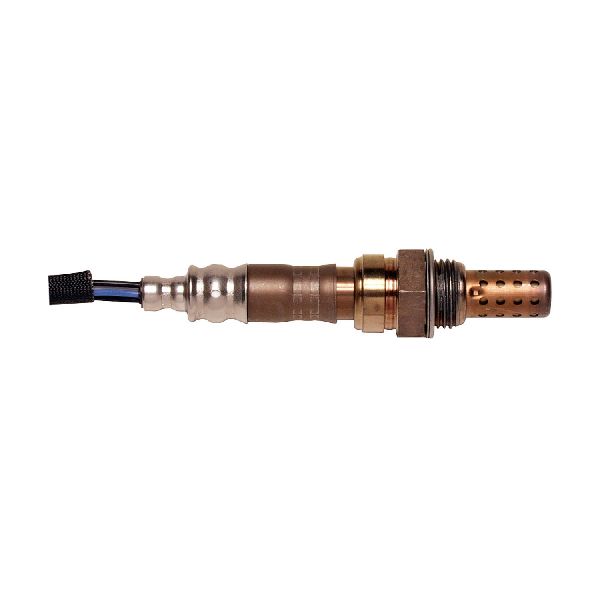
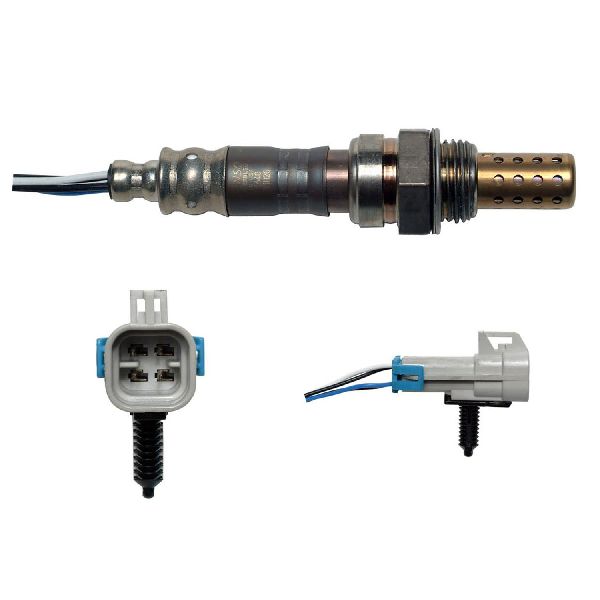
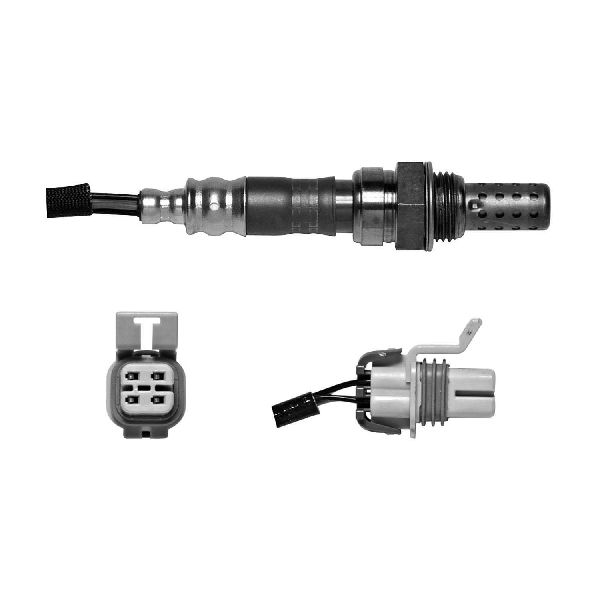
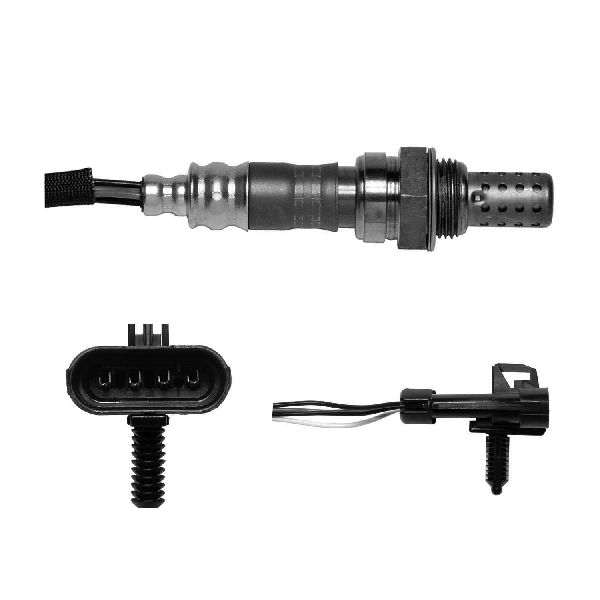
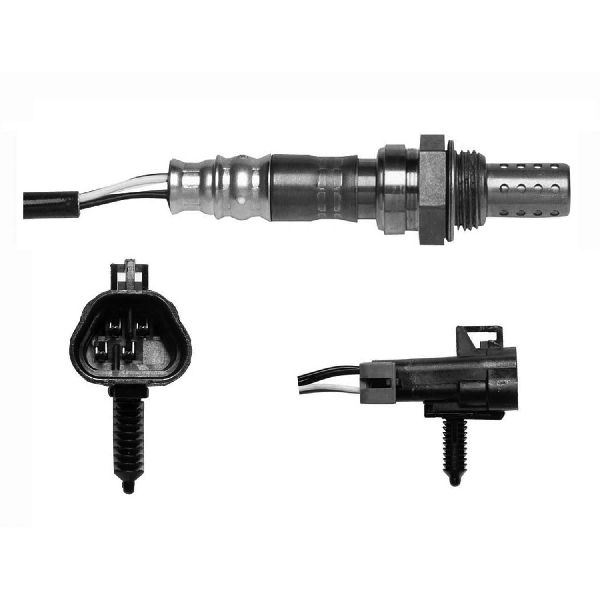
Number of sensors varies by year. Pre-1996 models use 1 or 2 sensors (unheated or heated). 1996 and newer models use four heated 4-wire sensors. It is critical to match the part to your specific year, engine, and sensor location (front/rear, left/right).
We Have This Part in Stock

The information in this article is provided for general reference and educational purposes only. Vehicle specifications, procedures, and part compatibility can vary by production date, trim level, and region. Always consult your vehicle's factory service manual and verify part numbers before purchasing or performing repairs. Safety-critical components such as airbags, seat belts, and braking systems should be installed by a qualified professional.
- Chevrolet Corvette:
- 🎬 Helpful Videos
- 🛍️ Shop This Part
- Understanding Your Corvette's Oxygen Sensors
- Generation & Model Year Differences
- Upstream vs. Downstream Sensors
- Choosing the Right Aftermarket Oxygen Sensor
- Brand Quality Tiers for Corvettes
- Cost to Replace a Corvette Oxygen Sensor
- Frequently Asked Questions
- 🎟️ Get 5% Off