

Ford Ranger Spark Plug Guide: 1990-2012 Models
Everything a Ford Ranger owner needs to know before replacing their spark plugs.
- Motorcraft brand spark plugs are the most recommended choice for reliability in a Ford Ranger.
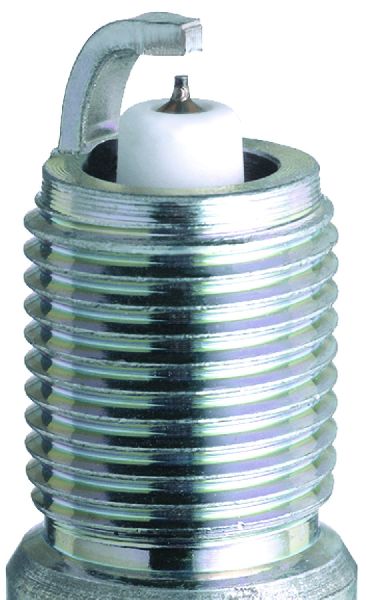
- For engines with a waste-spark system, use Double Platinum or Iridium plugs for longevity and performance.
- Accessing passenger-side plugs on V6 models is much easier by removing the front wheel and fender liner.
- Some 4-cylinder Rangers require eight spark plugs, so confirm your engine's needs before purchasing.
Signs of Failing Spark Plugs in a Ford Ranger

Worn-out spark plugs can cause a number of noticeable problems. If you experience any of these, your plugs might be the culprit.
- Rough Idle: Your truck may shake or vibrate more than usual when stopped at a light.
- Engine Misfires: You might feel a hesitation, stumble, or jerking sensation when accelerating. This is often more noticeable under a heavy load, like going up a hill.
- Poor Fuel Economy: If you're filling up your tank more often, failing plugs could be wasting fuel.
- Difficulty Starting: A weak spark makes it harder for the engine to fire up, especially on cold mornings.
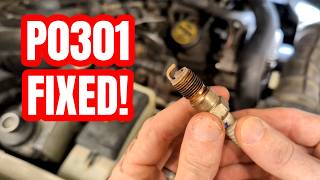
- Check Engine Light: A failing spark plug can trigger the check engine light. Common codes include P0300 (random misfire) or codes P0301 through P0306, which point to a misfire in a specific cylinder. 🎬 Watch: Fixing a P0301 misfire with new plugs and wires.
Choosing the Right Aftermarket Spark Plugs

While many brands are available, not all spark plugs are created equal for a Ford Ranger. Many owners and mechanics have found that Ranger engines can be picky.
Brand Quality Tiers for Ford Ranger
| Tier | Brands | Notes |
|---|---|---|
| Best Bet (OEM Quality) | Motorcraft | This is the original equipment brand for Ford. Forum and Reddit users overwhelmingly agree that Motorcraft plugs are the most reliable choice to avoid potential issues. They are designed specifically for your Ranger's ignition system. |
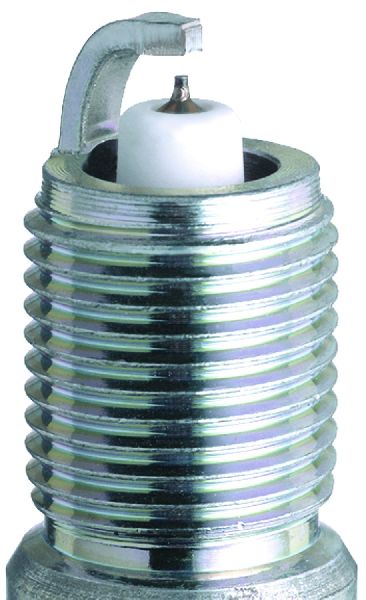
| Excellent Aftermarket | Autolite, NGK, Denso | Autolite is a very popular and trusted alternative; some sources claim they have manufactured plugs for Motorcraft in the past. NGK and Denso are also high-quality Japanese brands, though a small number of owners report their Fords running poorly on NGK plugs. |
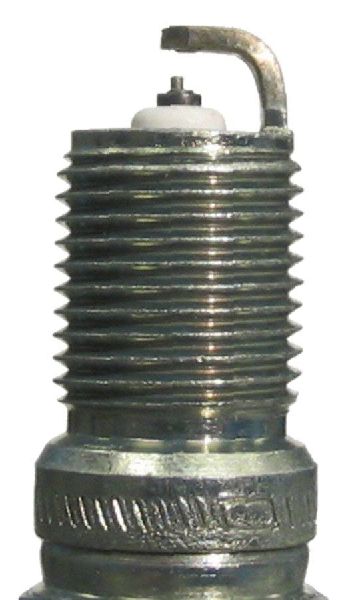
| Standard Aftermarket | Champion, ACDelco | Champion plugs are often recommended from the factory for certain engine models and are a reliable standard choice. ACDelco is another reputable brand offering quality replacement options. |
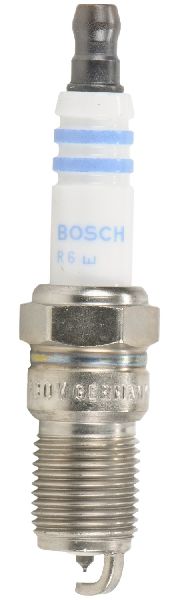
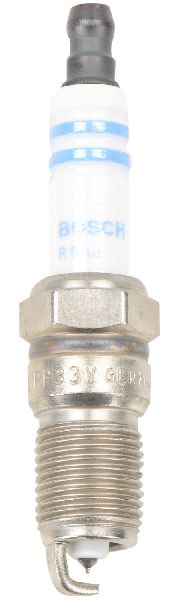
| Use with Caution | Bosch, other budget brands | While Bosch makes quality parts, some Ranger owners have reported issues when using their spark plugs. It's generally recommended to stick with the brands known to work well with Ford's specific ignition systems. |
Platinum vs. Iridium vs. Copper
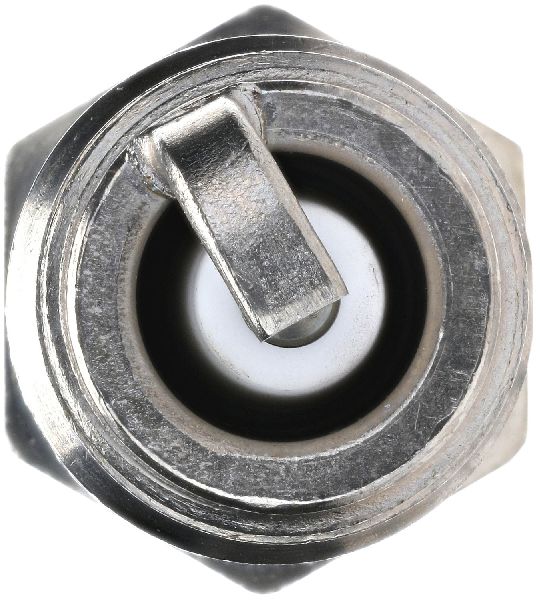
Many Rangers from this era, especially those with a distributorless ignition system (EDIS), came from the factory with single or double platinum plugs. This system fires plugs in pairs, causing one to wear differently than the other. Using double platinum or iridium plugs is highly recommended for these engines because they have precious metal on both electrodes, ensuring a long and even service life. Basic copper plugs will work, but they will wear out much faster.
Vehicle-Specific Issues & Installation Tips

No specific recalls or Technical Service Bulletins (TSBs) related to spark plug failure exist for the 1990-2012 Ford Ranger. A widely known Ford issue involving spark plugs breaking in the cylinder head affects 3-valve Triton V8 engines and does not apply to any engine used in the 1990-2012 Ranger.
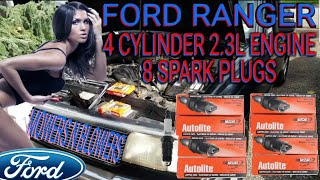
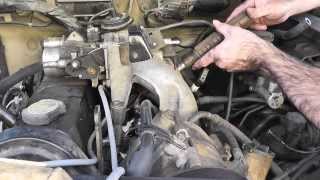
- 4-Cylinder Engines: Some 2.3L engines use a dual-plug setup, meaning there are eight spark plugs in total—two for each cylinder. Be sure to order the correct quantity. 🎬 See this walkthrough for changing all eight plugs on 2.3L engines.
- V6 Engines (3.0L & 4.0L): The spark plugs on the passenger side are notoriously difficult to access from the top. The easiest way to change them is to jack up the truck, remove the passenger-side front wheel, and pull back the plastic fender liner for direct access. 🎬 Watch: How to access difficult passenger side plugs through the wheel well.
- Check the Gap: Even if plugs are advertised as "pre-gapped," always double-check the gap with a feeler gauge before installation. The required gap can vary by engine and year, but common specs are between 0.044 and 0.054 inches. Do not use a coin-style gapper on platinum or iridium plugs, as it can damage the fine electrode.
Frequently Asked Questions

How often should I change my Ranger's spark plugs?
It depends on the type of plug. Standard copper plugs might need changing every 30,000 miles. High-quality iridium or double platinum plugs can last up to 100,000 miles. However, if you notice any performance issues, it's a good idea to inspect them sooner.
Do I need to replace the spark plug wires at the same time?
It's a good practice. Old wires can degrade, crack, and fail to deliver the full voltage to the new plugs, causing misfires. If the wires look original or are covered in oil, replacing them with the plugs is a smart move.
What does it mean that my Ranger has a "waste spark" system?
Many Rangers in this period use an EDIS (Electronic Distributorless Ignition System), also called a waste spark system. The coil pack fires two plugs at once—one on its compression stroke (which creates power) and its paired cylinder on its exhaust stroke (where the spark is "wasted"). This is why using double platinum or iridium plugs is important; the spark jumps in opposite directions on the paired plugs, causing different wear patterns that these plugs are designed to handle.
Is it okay to use anti-seize on the new spark plug threads?
This is a topic of debate. Some mechanics use a very small amount to prevent the plugs from getting stuck in the cylinder head. However, many modern spark plugs have a special plating that provides the same benefit, and some manufacturers like NGK advise against it. If you do use it, apply only a tiny amount to the threads, avoiding the electrode, and be careful not to overtighten the plug, as the anti-seize acts as a lubricant.
Helpful Videos
Technical Specifications
OEM Part Numbers: SP-500 SP-432 AGSF24FM AGSF22FM
Engine-specific. Common socket size is 5/8". Torque specification is typically 11-13 ft-lbs. Gap varies by engine and year, often between 0.044" and 0.054".
We Have This Part in Stock

The information in this article is provided for general reference and educational purposes only. Vehicle specifications, procedures, and part compatibility can vary by production date, trim level, and region. Always consult your vehicle's factory service manual and verify part numbers before purchasing or performing repairs. Safety-critical components such as airbags, seat belts, and braking systems should be installed by a qualified professional.
- Ford Ranger: