

Mitsubishi Eclipse A/C System O-Ring and Gasket Kit Guide (1990-2012)
Losing cold air in your Eclipse? The problem might be small, inexpensive rubber seals.
- Failing A/C o-rings are the most common cause of refrigerant leaks and poor cooling in 1990-2012 Eclipses.
- Replacing all seals with a vehicle-specific kit from a brand like Four Seasons is recommended over replacing a single failed seal.
- This job requires special equipment to evacuate and recharge the refrigerant; it is not fully a DIY job for most home mechanics.
- While the system is open, always replace the receiver/drier to protect the A/C compressor.
Is Your Eclipse A/C Blowing Warm? Check the Seals First.
If your 1990-2012 Mitsubishi Eclipse A/C system isn't as cold as it used to be, the most common cause is a refrigerant leak. Before you suspect an expensive compressor failure, know that the most frequent culprits are often the small, inexpensive rubber o-rings and gaskets that seal the A/C lines. These seals naturally degrade over many years of engine heat and vibration, becoming hard and brittle. This allows refrigerant to slowly escape, eventually leading to poor cooling performance.
A Note on Refrigerant Types
Early model Eclipses (typically pre-1995) used R12 refrigerant, while later models use R134a. The aftermarket o-ring kits available today are generally compatible with both types, but always confirm this before purchasing. Handling and charging refrigerant are regulated and best left to a professional with the right equipment.
Symptoms of Failing A/C O-Rings in a Mitsubishi Eclipse
- Weak or No Cold Air: This is the most obvious sign. As refrigerant leaks out, the system can't create cold air.
- A/C Works Intermittently: The system might cool for a short time and then blow warmer air as the low refrigerant level causes the compressor to cycle off.
- Visible Oily Residue: A/C refrigerant contains a special lubricating oil. If you see oily dirt buildup around A/C line connections, it's a strong sign of a leak. A UV dye test can make these leaks glow under a blacklight for easy identification.
- Hissing Sounds: A significant leak might produce a hissing sound from the engine bay when the A/C is running, though this is less common with slow o-ring leaks.
Choosing the Right Aftermarket O-Ring Kit
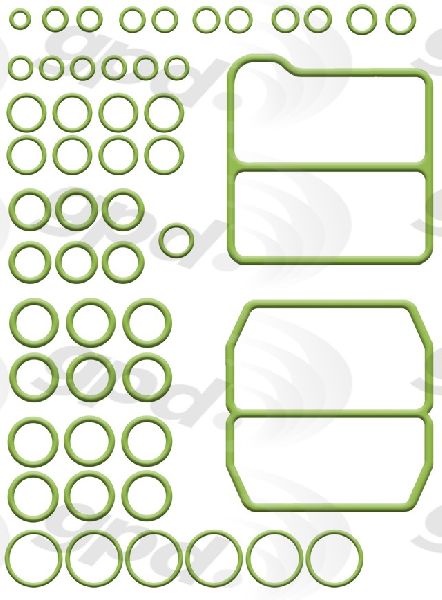
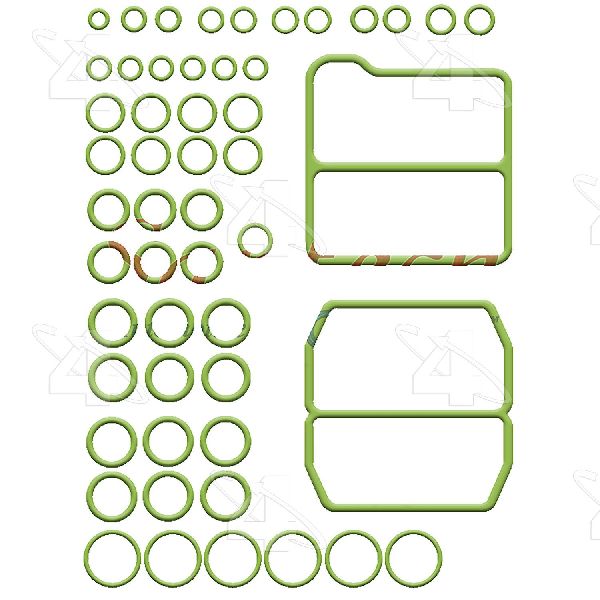
For the 1990-2012 Mitsubishi Eclipse, you'll find complete o-ring and gasket kits from brands like Four Seasons and Global Parts (GPD). These kits are designed to be a direct-fit, containing all the necessary seals for a full system overhaul.
- OEM vs. Aftermarket: For a part like an o-ring kit, the difference between OEM (Original Equipment Manufacturer) and a quality aftermarket brand is often minimal. Some forum users have noted that generic, non-vehicle-specific kits can have fitment issues, with o-rings being slightly the wrong thickness. However, vehicle-specific kits from reputable brands like Four Seasons are generally considered reliable and a good value.
- Brand Tiers:
- Four Seasons: A well-known and trusted brand in the aftermarket A/C parts industry. Their kits are widely available and considered a reliable choice for a complete A/C reseal.
- Global Parts (GPD): Another common aftermarket supplier. While some users have reported issues with more complex parts like their compressors, their seal kits are a budget-friendly option.
Pro Tip: Replace More Than Just the O-Rings
Since the A/C system must be fully discharged to replace the o-rings, it's the perfect time to also replace the receiver/drier (or accumulator). This component absorbs moisture from the refrigerant, and it's considered a mandatory replacement part any time the system is opened to the atmosphere. Failing to do so can lead to premature failure of your new or existing compressor.
Known Issues for Mitsubishi Eclipse A/C Systems
While o-ring failure is common across all generations, some specific issues have been noted by owners:
- 3G Eclipse (2000-2005) Clogged A/C Drain: Many 3rd Generation Eclipse owners report water leaking onto the driver's or passenger's side floor. This is often caused by a deteriorated seal on the A/C evaporator drain tube where it passes through the firewall, or the tube itself being clogged. While not a refrigerant leak, it's a common A/C-related water leak issue for this generation.
- Compressor Thermal Switch: On some models, a thermal switch on the compressor can fail, preventing the A/C clutch from engaging even if the system is fully charged. This is an electrical issue, not a leak, but can present similar "no cold air" symptoms.
No major recalls or Technical Service Bulletins (TSBs) were found specifically for A/C o-ring failures across the 1990-2012 model years.
| Part Type | Estimated Cost |
|---|---|
| New Aftermarket Kit (Four Seasons, Global Parts) | $26 - $39 |
| Shop Labor (Evacuate, Replace Seals, Recharge) | $250 - $450 |
Frequently Asked Questions
Can I replace just the one leaking o-ring?
You can, but it's not recommended. The labor involved in recovering the refrigerant, opening the system, and recharging it is the same. If one seal has failed due to age, others are likely to fail soon. It is best practice to replace all of them at once with a complete kit.
Is replacing the A/C o-rings a DIY job?
Partially. Physically swapping the o-rings at each connection is straightforward for a DIY mechanic. However, legally and safely handling refrigerant requires specialized equipment to evacuate the system before you start and to vacuum test and recharge it after you're done. Most DIYers will perform the mechanical work and then take the car to a shop for the refrigerant service.
Do I need to add oil when replacing o-rings?
Yes. It is critical to lubricate each new o-ring with the correct type of A/C oil (e.g., PAG 46) before installation. This prevents the o-ring from tearing or twisting when you tighten the connection, ensuring a proper seal.
My A/C is still not cold after replacing the seals and recharging. What's next?
If a full reseal and proper recharge don't solve the problem, the issue could be an electrical problem (like a bad relay or pressure switch), a faulty expansion valve, a clogged orifice tube, or a failed compressor. A professional diagnosis with manifold gauges would be the next step.
Technical Specifications
OEM Part Numbers: MR568455
Kits are made from HNBR (Hydrogenated Nitrile Butadiene Rubber) and are compatible with both R12 and R134a refrigerants.
We Have This Part in Stock

The information in this article is provided for general reference and educational purposes only. Vehicle specifications, procedures, and part compatibility can vary by production date, trim level, and region. Always consult your vehicle's factory service manual and verify part numbers before purchasing or performing repairs. Safety-critical components such as airbags, seat belts, and braking systems should be installed by a qualified professional.
- Mitsubishi Eclipse:
- 🛍️ Shop This Part
- Is Your Eclipse A/C Blowing Warm? Check the Seals First.
- A Note on Refrigerant Types
- Symptoms of Failing A/C O-Rings in a Mitsubishi Eclipse
- Choosing the Right Aftermarket O-Ring Kit
- Pro Tip: Replace More Than Just the O-Rings
- Known Issues for Mitsubishi Eclipse A/C Systems
- Frequently Asked Questions
- 🎟️ Get 5% Off