

Mitsubishi Eclipse Automatic Transmission Cooler: A Guide for 1990-2012 Models
Understanding how to cool your Eclipse's transmission is key to avoiding costly repairs.
- First, identify if your cooler is a separate part or integrated into the radiator, as this determines the replacement part needed.
- Immediately check for 'strawberry milkshake' (milky pink fluid) if you suspect a problem, as this can destroy your transmission.
- Driving with an overheating transmission is not recommended and can turn a moderate repair into a full transmission replacement.
- Using an aftermarket brand like Hayden can be an upgrade to prevent future issues, especially if you bypass the radiator.
Is Your Cooler Separate or Part of the Radiator?
Before buying a part for your 1990-2012 Mitsubishi Eclipse, you first need to know what kind of cooler your car has. The design changed across the four generations.
- Integrated Cooler: Many later model Eclipses, especially 4th generation (2006-2012) models with the 2.4L engine, have the transmission cooler built into the side tank of the main engine radiator. Hot transmission fluid runs through a chamber inside the radiator, cooled by the engine coolant. If this type of cooler fails, you must replace the entire radiator assembly.
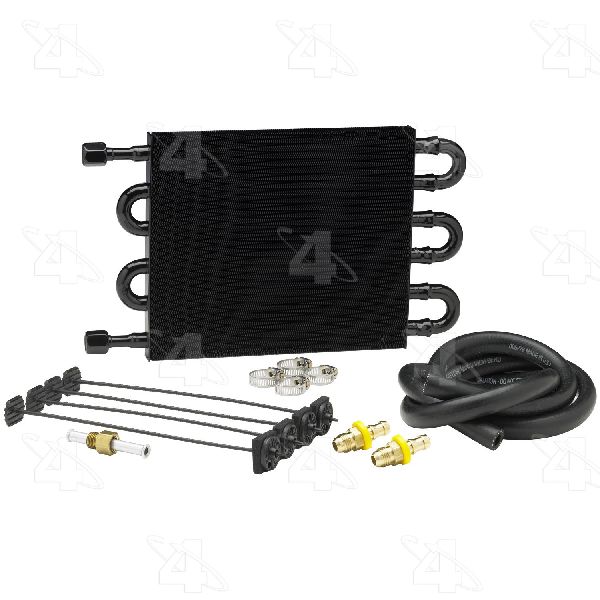
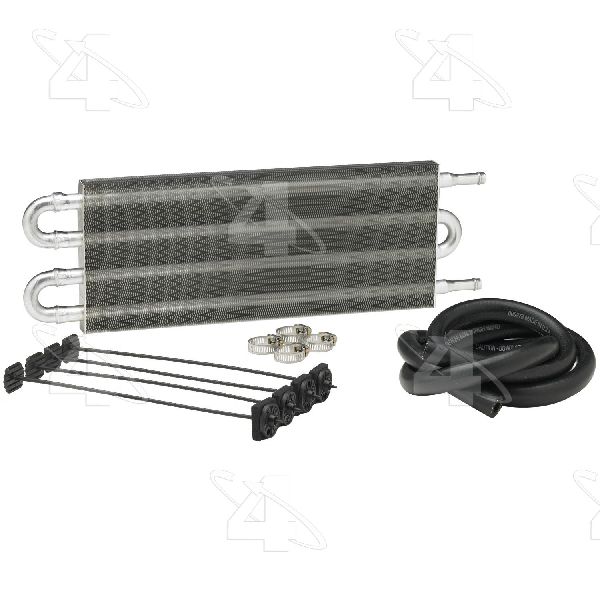
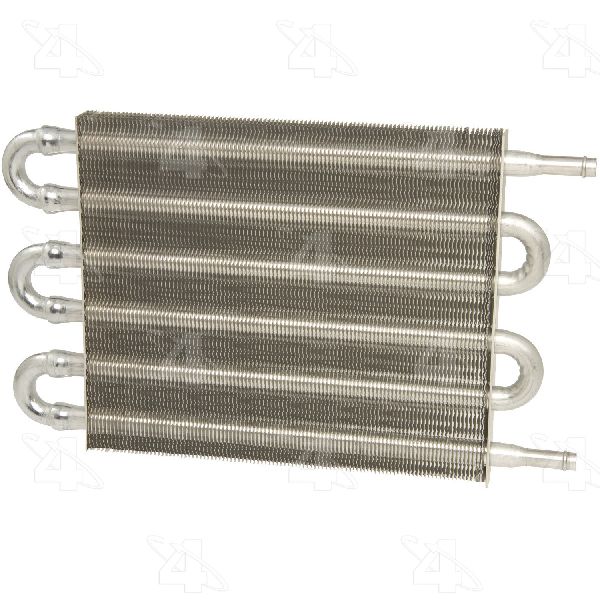
- Standalone Cooler: Some Eclipse models, particularly earlier generations or V6 models, may use a separate, standalone oil cooler. This small radiator sits in front of the main radiator and is connected by hoses. These are easier and cheaper to replace individually.
The Critical "Strawberry Milkshake" Failure
The most severe failure for integrated coolers is an internal leak between the coolant and transmission fluid passages. When this happens, pinkish engine coolant mixes with red transmission fluid, creating a frothy, milky substance often called the "strawberry milkshake." This contaminated fluid will quickly destroy the clutch materials inside your transmission, leading to catastrophic failure. If you check your transmission dipstick and the fluid is milky or pink, or if you see an oily film in your coolant reservoir, stop driving immediately. The transmission will likely need to be replaced or rebuilt along with the radiator.
Symptoms of a Failing Transmission Cooler
A bad transmission cooler will cause problems that you can feel and see. Ignoring them can lead to very expensive repairs.
- Transmission Overheating Light: The most direct sign is a warning light on your dashboard that says "Transmission Hot" or something similar.
- Slipping and Hard Shifting: When the fluid gets too hot, it loses its ability to create the right hydraulic pressure, causing the transmission to slip between gears, shift harshly, or hesitate.
- Burning Smell: Overheated transmission fluid has a unique, sharp burning smell. If you notice this odor, the fluid is breaking down and no longer protecting the transmission.
- Fluid Leaks: You may see puddles of reddish fluid under the front of your car. This can come from a cracked standalone cooler or from leaking lines and fittings.
- Limp Mode: To protect itself from total destruction, the vehicle's computer may enter a "limp mode," which limits engine power and speed.
Choosing the Right Aftermarket Part
When replacing your transmission cooler, you have a few options. Your choice depends on your vehicle's setup and your performance needs.
For cars with a failed integrated cooler, you must buy a complete new radiator. For those with a standalone cooler or those looking to add extra cooling, you can choose from several brands.
Brand Quality Tiers
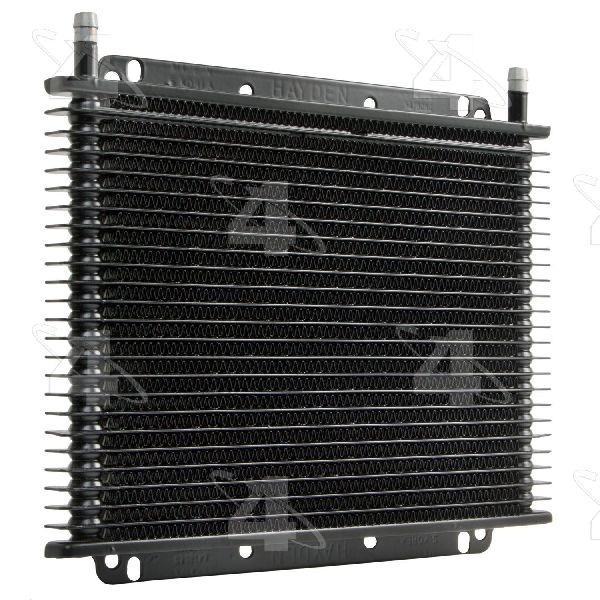
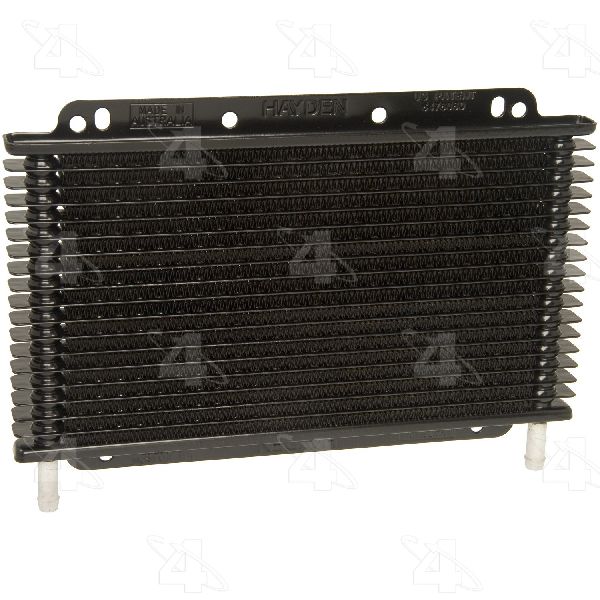
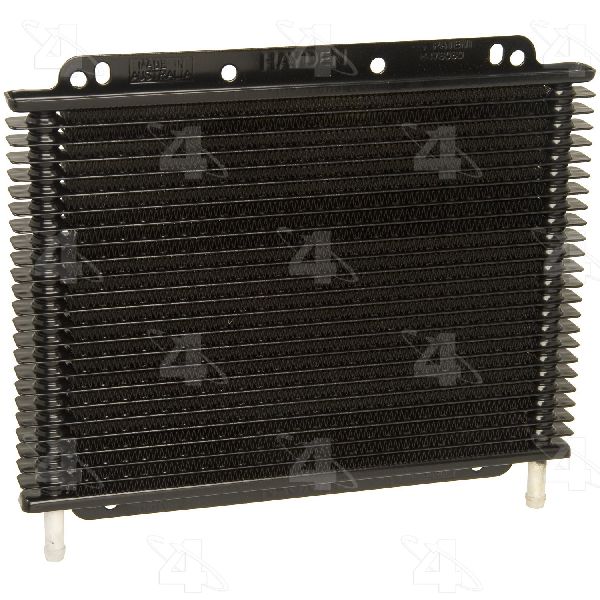
- Hayden: Often considered a performance or heavy-duty option. Hayden is a well-known brand specializing in cooling products. They offer different designs like plate-and-fin or tube-and-fin coolers that can be a good upgrade for performance-modified cars or for those who live in hot climates. Many owners add a Hayden cooler as a secondary unit to bypass or supplement the factory cooler, which can significantly lower operating temperatures.
- Four Seasons & Global Parts (GPD): These brands are reliable choices for a standard, direct-fit replacement. They are designed to meet original equipment specifications and are a cost-effective solution for a daily driven vehicle that just needs a functional cooler. They provide a balance of quality and value for a standard repair.
Pro Tip: Many Eclipse owners choose to install a larger, external aftermarket cooler and bypass the factory cooler in the radiator completely. This eliminates the risk of the "strawberry milkshake" failure and can provide better cooling performance.
Cost of Replacing a Transmission Oil Cooler
| Part Type | Estimated Cost |
|---|---|
| New Aftermarket Standalone Cooler | $52 - $151 |
| New OEM (Radiator Assembly) | $250 - $500+ |
| Shop Labor | $150 - $400 |
Frequently Asked Questions
What are the signs of the 'strawberry milkshake' failure?
The main signs are milky, frothy, or pink-looking fluid on the transmission dipstick, or a dark, oily film inside the engine coolant reservoir. This indicates coolant and transmission fluid have mixed due to an internal radiator failure and requires immediate attention to prevent total transmission destruction.
Can I install a transmission cooler myself?
For a mechanically inclined person, replacing a standalone cooler is very feasible. It involves disconnecting fluid lines, unbolting the old cooler, and installing the new one. Replacing a full radiator is more involved but still possible for an experienced DIYer. If you are not comfortable working with vehicle fluids or cooling systems, it is best to have a professional mechanic do the job.
Should I get a bigger aftermarket cooler?
Installing a larger cooler is a popular upgrade, especially on modified or hard-driven Eclipses. It provides better cooling efficiency and can extend the life of your transmission. It's also a way to prevent the common integrated cooler failure by bypassing the radiator circuit entirely.
What kind of transmission fluid should I use in my Eclipse?
Always use the specific fluid recommended by Mitsubishi for your year and model, typically a Diamond SP-III or equivalent fluid. Using the wrong fluid can cause poor shifting and damage the transmission. Check your owner's manual to be certain.
Technical Specifications
Part type varies significantly by year and engine. Many 2.4L models use a cooler integrated into the radiator assembly, requiring a full radiator replacement. Other models use a standalone tube-and-fin or plate-and-fin style cooler mounted in front of the radiator. Always use a transmission fluid that meets Mitsubishi's Diamond SP-III specification or the equivalent listed for your specific vehicle.
We Have This Part in Stock

The information in this article is provided for general reference and educational purposes only. Vehicle specifications, procedures, and part compatibility can vary by production date, trim level, and region. Always consult your vehicle's factory service manual and verify part numbers before purchasing or performing repairs. Safety-critical components such as airbags, seat belts, and braking systems should be installed by a qualified professional.
- Mitsubishi Eclipse: