

1991 GMC Syclone Engine Coolant Temperature Sensor Guide
A failing coolant sensor can hurt the performance of your legendary turbocharged truck; here’s how to choose the right replacement.
- The ECT sensor is critical for the performance and safety of the Syclone's turbocharged engine.
- Choose a top-tier aftermarket brand like Delphi or a quality brand like Standard Ignition for reliability.
- Always inspect the electrical connector for damage and replace it if necessary to ensure a good connection.
- Confirm you are replacing the correct part; the two-wire ECT sensor for the computer is different from the single-wire sender for the gauge.
Symptoms of a Failing ECT Sensor in a Syclone
A bad Engine Coolant Temperature (ECT) sensor can cause a range of problems, from annoying to serious. Because the ECM relies on this sensor for critical fuel and timing calculations, a false signal can make your truck run poorly. Watch for these common signs:
- Poor Fuel Economy: If the sensor sends a false 'cold' signal, the ECM will enrich the fuel mixture, causing the truck to use more gas than necessary.
- Black Smoke from Exhaust: An overly rich fuel mixture from a bad sensor can result in unburnt fuel exiting through the exhaust, creating black smoke.
- Engine Overheating or Inaccurate Gauge: A faulty sensor might fail to signal the ECM to perform functions to cool the engine, or it may cause the temperature gauge on your dash to read incorrectly or not at all.
- Check Engine Light: A malfunctioning ECT sensor will often trigger a Check Engine Light and store diagnostic trouble codes such as P0115, P0117, or P0118.
- Rough Idle and Hard Starting: The wrong temperature reading can lead to incorrect fuel and spark adjustments, making the engine difficult to start, especially when warm, and causing it to idle poorly.
Choosing the Right Aftermarket ECT Sensor
While a genuine OEM part from GMC/ACDelco is always an option, the aftermarket offers several quality choices for your Syclone. Given the sensor's importance in this high-performance engine, it's best to stick with reputable brands.
Aftermarket Brand Quality Tiers
| Tier | Brands | Notes |
|---|---|---|
| Top Tier / OEM Supplier | Delphi, NGK (NTK) | Delphi was an original equipment supplier to GM and is widely trusted for its sensors. Many owners prefer to use Delphi or ACDelco parts for GM vehicles. NGK (under their NTK electronics branding) is another top-tier manufacturer known for quality sensors. |
| High-Quality Aftermarket | Standard Ignition (SMP), Beck Arnley, Hella | Standard Motor Products is a well-regarded brand, and some kits include a new electrical connector, which is a smart upgrade on an older vehicle. Beck Arnley and Hella are also known for producing reliable components. |
| Standard Aftermarket | Four Seasons, Holstein, Motorad | These brands offer a balance of value and quality, providing a reliable replacement for a daily driver or budget-conscious repair. |
| Value Options | Facet, True Tech | These brands provide a functional replacement at a lower price point, suitable for getting a vehicle back on the road. |
Pro Tip: Check the Connector
The plastic electrical connector for the ECT sensor can become brittle and crack over 30+ years. When replacing the sensor, inspect the connector and its wiring carefully. If it's damaged, consider buying a sensor kit that includes a new connector pigtail, like those offered by Standard Motor Products. This can prevent future electrical issues.
Cost of Replacing a 1991 GMC Syclone ECT Sensor
| Part Type | Estimated Cost |
|---|---|
| New Aftermarket Sensor | $12.58 - $37.74 |
| New OEM (ACDelco) Sensor | $25 - $50 |
| Shop Labor | $50 - $100 |
Frequently Asked Questions (FAQ)
Is there a recall on the Syclone's ECT sensor?
No. There have been no recalls issued by the NHTSA for the 1991 GMC Syclone for this or any other issue.
I replaced the sensor, but my temperature gauge still doesn't work. What's wrong?
The 1991 Syclone, like many GM vehicles of the era, uses two separate sensors. One is the ECT sensor that sends information to the ECM for engine management. The other is a temperature sender that operates the gauge on the dashboard. If your gauge is the problem, you may need to replace the sender, which is a different part. If both have been replaced, there could be an issue with the wiring or the gauge cluster itself, which is a known possibility on these aging trucks.
Why is this sensor so important for a turbocharged engine?
On a turbocharged engine like the Syclone's, managing heat and engine parameters is critical. The ECM uses the ECT sensor's data to adjust fuel enrichment and ignition timing to prevent engine knock (detonation) when under boost. An inaccurate 'cold' reading can cause it to run too rich, while an inaccurate 'hot' reading could lead to a lean condition, increasing the risk of engine damage.
Where is the ECT sensor located on the 1991 Syclone?
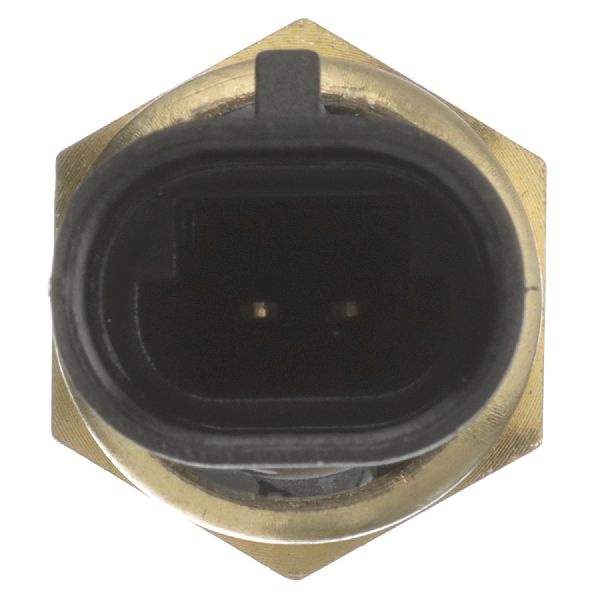
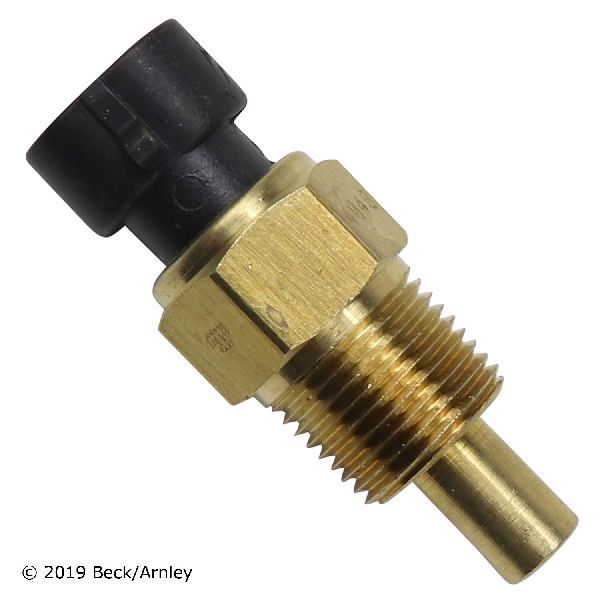
The ECT sensor for the ECM is typically located on the front of the intake manifold, near the thermostat housing. It is a two-wire sensor. The single-wire sender for the temperature gauge is usually located on the side of the cylinder head.
Technical Specifications
OEM Part Numbers: ACDelco 213-77
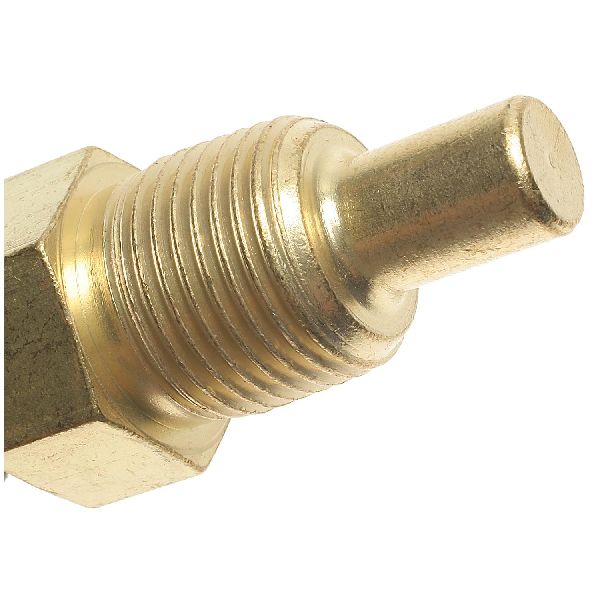
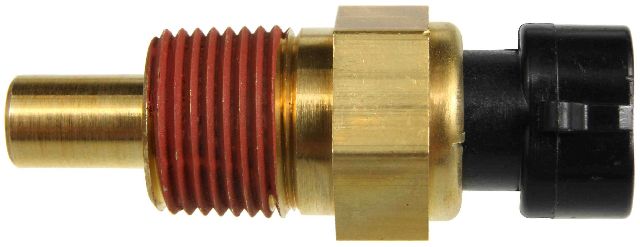
Connector Type: 2-pin blade terminal. Thread Size: Typically 3/8" - 18 NPTF. Note: Always verify thread size, as parts catalogs can have conflicting information.
We Have This Part in Stock


The information in this article is provided for general reference and educational purposes only. Vehicle specifications, procedures, and part compatibility can vary by production date, trim level, and region. Always consult your vehicle's factory service manual and verify part numbers before purchasing or performing repairs. Safety-critical components such as airbags, seat belts, and braking systems should be installed by a qualified professional.
- GMC Syclone: