

A Comprehensive Guide to the Oxygen Sensor for the 1991-1994 Mazda Navajo
Everything you need to know about diagnosing, choosing, and replacing the oxygen sensors on your 4.0L V6 Navajo.
- Your 1991-1994 Navajo has two upstream oxygen sensors; it is best to replace them in pairs.
- Key symptoms of failure include a Check Engine Light, poor gas mileage, rough idle, and a rotten egg smell from the exhaust.
- Ignoring a bad sensor can lead to failure of the catalytic converter, a much more expensive repair.
- Direct-fit sensors from brands like Bosch, Denso, or NGK are highly recommended for reliability and proper function.
Is Your Navajo's Oxygen Sensor Failing?
Oxygen sensors don't last forever and typically need replacement due to age, mileage, or contamination from engine fluids. Since these trucks are pre-1996, they use an older diagnostic system (OBD-I), but they will still trigger a Check Engine Light when a sensor fails. Common symptoms include poor fuel economy, a rotten egg or sulfur smell from the exhaust, rough idling, engine hesitation, and failing an emissions test.
Don't Ignore a Bad O2 Sensor
While you can drive with a failing oxygen sensor, it's not recommended for long. An engine running too rich can cause unburned fuel to overheat and destroy the catalytic converter, a much more expensive repair. Addressing a bad O2 sensor promptly saves you money on gas and prevents costlier damage down the road.
Choosing the Right Aftermarket Oxygen Sensor
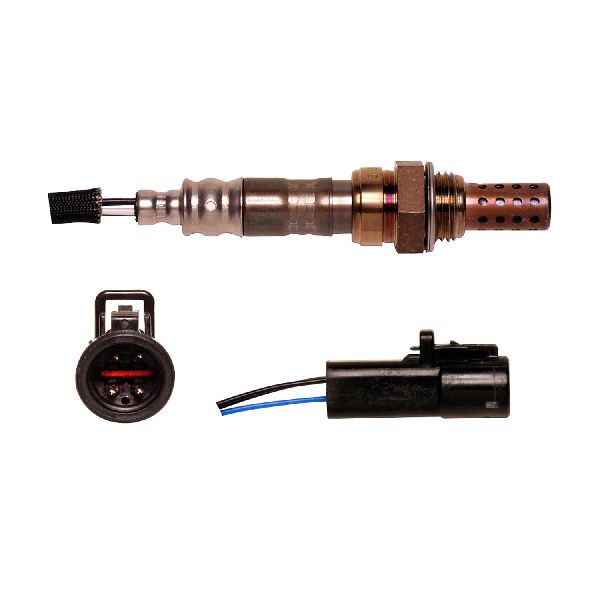
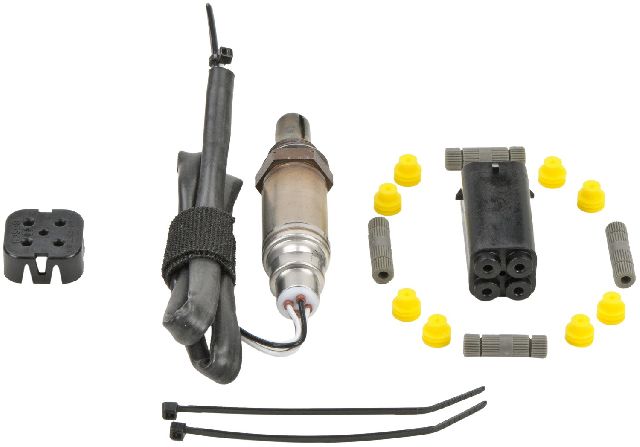
For the 1991-1994 Navajo, you have several reliable aftermarket options that offer a good balance of quality and price compared to dealership parts. Since your truck is based on the Ford Explorer, many brands list compatibility for the Ford 4.0L engine. Always choose a "direct-fit" sensor with the correct plug to avoid cutting and splicing wires.
Brand Quality Tiers
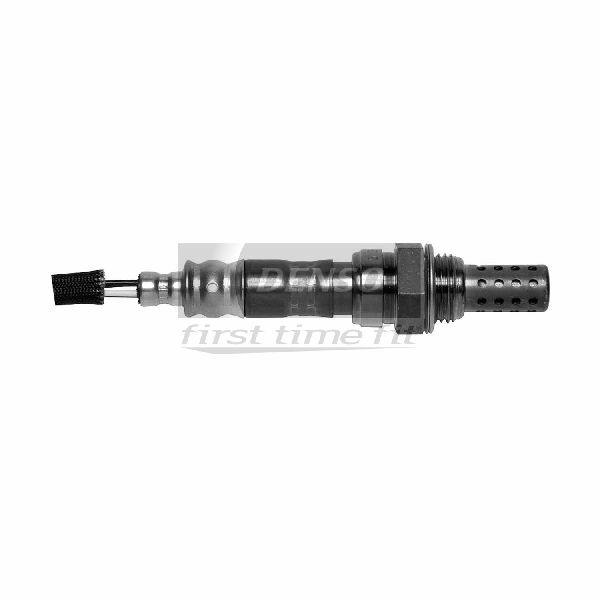
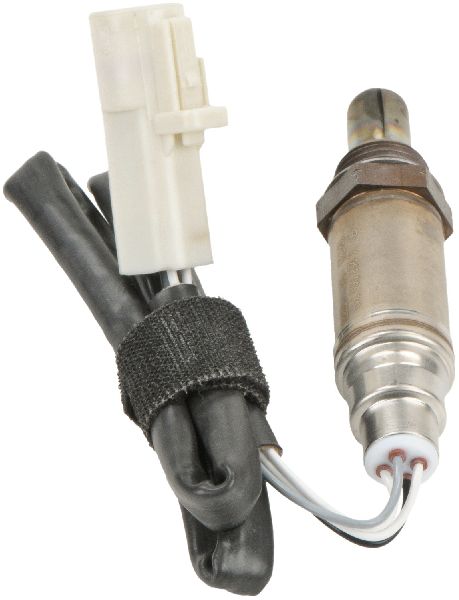
- Premium Brands (Bosch, Denso, NGK): These brands are often the original equipment (OE) manufacturers for many automakers, including Ford and Mazda. Bosch is credited with inventing the modern O2 sensor and was likely the original part on your truck. Denso and NGK (also sold as NTK) are highly regarded for their reliability and are excellent choices that meet or exceed OEM specifications. You can't go wrong with any of these three for a long-lasting, reliable replacement.
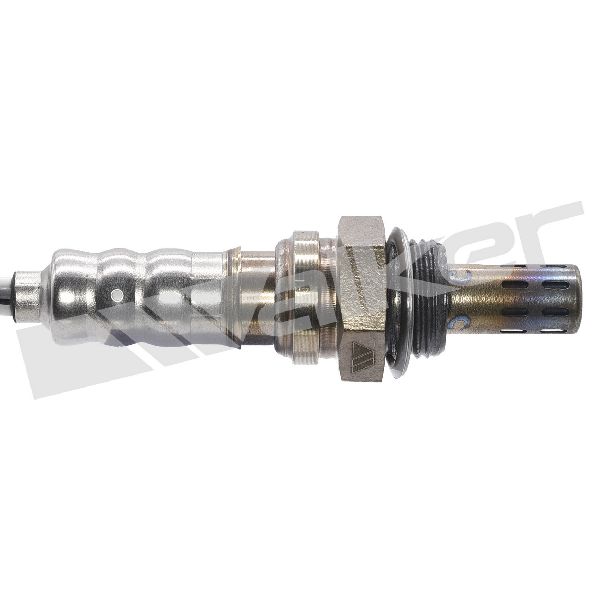
- Quality Alternatives (Delphi, Walker Products, Spectra): These brands provide a solid balance of performance and value. Delphi is a major OE supplier, known for durable sensors. Walker Products has a long history in exhaust components and offers dependable, OE-style replacements. Spectra is another established brand offering quality parts.
- Budget-Friendly (DriveWire): DriveWire is known for its low-cost parts. While tempting for the price, some users report issues with fitment or longevity compared to premium brands. This may be an option if budget is the primary concern, but verify the connector and wire length match your original part.
Pro Tip: Replace in Pairs
Your Navajo has two upstream oxygen sensors. If one fails due to high mileage, the other is likely not far behind. It's good practice to replace both at the same time to ensure balanced engine performance and prevent a second repair job in the near future.
Oxygen Sensor Cost for 1991-1994 Mazda Navajo
| Part Type | Estimated Price Range (Per Sensor) | Notes |
|---|---|---|
| New Aftermarket | $34 - $72 | Price varies by brand. Premium brands are at the higher end of this range. |
| New OEM (Mazda/Ford) | $40 - $85 | Genuine Mazda part number ZZM8-18-861 or a superseding number. |
| Shop Labor | $75 - $150 | Typically 0.8 to 1.5 hours of labor. Can be higher if sensors are badly rusted. |
Frequently Asked Questions (FAQ)
How many oxygen sensors does my 1991-1994 Navajo have?
Your Navajo is equipped with two oxygen sensors. They are both "upstream" sensors, meaning they are located before the catalytic converter. There is one sensor on each side of the engine to monitor the V6's two cylinder banks.
Where are the oxygen sensors located?
You will find the sensors screwed into the exhaust pipes just below the exhaust manifolds. The passenger side sensor can be particularly difficult to access; mechanics often remove the front passenger wheel and inner fender liner to reach it.
Can I replace an oxygen sensor myself?
Yes, this is a DIY-feasible job if you have the right tools and are comfortable working under your vehicle. You will need a special oxygen sensor socket with a slot for the wire. The sensors can be very tight or rusted in place, so applying penetrating oil beforehand and warming the engine slightly can help with removal.
What is the difference between an upstream and downstream sensor?
Upstream sensors (like those on your Navajo) are located before the catalytic converter and are used by the engine computer to control the air-fuel mixture. Downstream sensors are located after the converter and are used to monitor the converter's efficiency. Your 1991-1994 model does not have downstream sensors.
Technical Specifications
OEM Part Numbers: ZZM8-18-861 ZZMJ-18-861
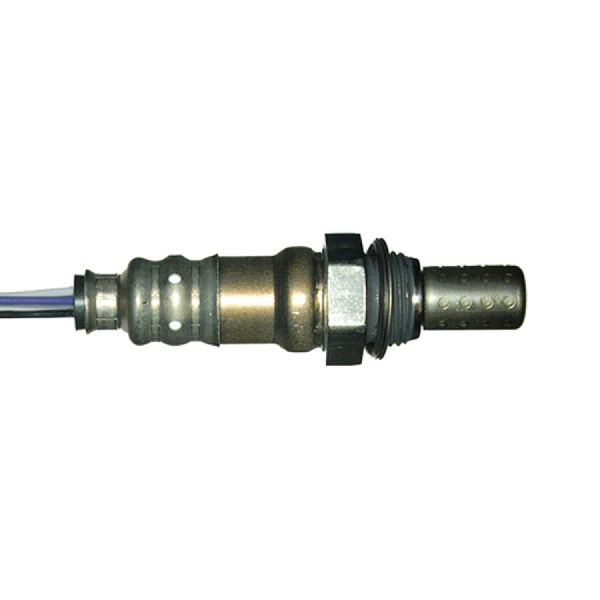
The 1991-1994 Mazda Navajo uses two heated, 4-wire oxygen sensors. They are located upstream of the catalytic converter, one on each exhaust bank. The sensors must be a direct-fit style with the correct electrical connector to avoid wiring modifications.
We Have This Part in Stock

The information in this article is provided for general reference and educational purposes only. Vehicle specifications, procedures, and part compatibility can vary by production date, trim level, and region. Always consult your vehicle's factory service manual and verify part numbers before purchasing or performing repairs. Safety-critical components such as airbags, seat belts, and braking systems should be installed by a qualified professional.
- Mazda Navajo: