

Engine Coolant Temperature Sensor Guide for 1991-1995 Chevrolet Cavalier
Fix common running problems like poor fuel economy and rough idling by understanding this critical engine sensor.
- A faulty ECT sensor causes a wide range of engine performance issues, from bad fuel economy to overheating.
- For reliability, choose an OEM-level brand like ACDelco or Delphi; the price difference is minimal for this part.
- Replacement is a simple, fast, and inexpensive DIY job that most owners can perform with basic tools.
- Your Cavalier likely has two temp sensors; ensure you are replacing the correct one that communicates with the engine computer.
Is Your Cavalier Running Rough? It Could Be the Coolant Temp Sensor
If your 1991-1995 Chevrolet Cavalier is experiencing issues like bad gas mileage, a rough idle, or black smoke from the exhaust, a faulty Engine Coolant Temperature (ECT) sensor is a likely culprit. This sensor tells the engine's computer how hot or cold the engine is, which is critical information for proper engine function. When it fails, the computer gets bad data and can't manage the engine correctly.
Two Different Sensors
Be aware that many Cavaliers of this era have two temperature sensors. One sensor sends the temperature reading to your dashboard gauge. The other, more critical sensor, sends its reading to the engine computer (ECM). The sensor for the ECM is the one that affects engine performance and will trigger a Check Engine Light.
Symptoms of a Failing ECT Sensor
A bad ECT sensor can cause a surprising number of problems. Because the computer thinks the engine is colder or hotter than it really is, it will make incorrect adjustments. Common symptoms include:
- Poor Fuel Economy: If the sensor always reads cold, the computer will enrich the fuel mixture, wasting gas.
- Black Smoke from Exhaust: This is a sign of a very rich fuel mixture, where unburned fuel is being sent out the tailpipe.
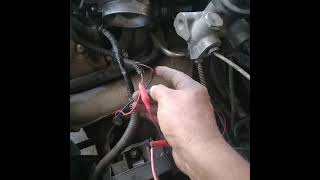
- Check Engine Light: On these OBD-I vehicles, a faulty sensor will often trigger a Code 14 (indicating high temp) or Code 15 (indicating low temp). 🎬 Watch: How to test sensors and diagnose codes 14 and 15.
- Engine Overheating: If the sensor fails to tell the computer the engine is hot, the cooling fans may not turn on when needed.
- Hard Starting: The engine may be difficult to start, especially when it's already warm, because the fuel mixture is incorrect.
- Rough Idle: The idle speed may be unstable or too high because the computer can't set it correctly without an accurate temperature reading.
Choosing the Right Aftermarket Sensor
For a critical sensor like this, quality matters. While many brands are available, they generally fall into a few tiers. Given the low cost of even the best options, skimping on a cheap, unproven brand is not recommended.
Tier 1: OEM & Premium Aftermarket
These brands are either the original equipment manufacturer or have a reputation for equivalent quality. They are the most reliable choice.
- ACDelco: This is the original GM parts brand. Choosing ACDelco ensures you are getting a part that meets the original factory specifications.
- Delphi: Delphi was a part of GM and a major OEM supplier for their electronics. Their sensors are widely considered to be of the same quality as ACDelco.
- NGK/NTK: Known for their high-quality sensors, NTK (the sensor division of NGK) is a top-tier choice with excellent reliability.
Tier 2: Reputable Aftermarket
These brands are well-known in the industry and offer a good balance of quality and value. They are a solid choice if a Tier 1 brand is not available.
- Standard Ignition (SMP): A long-standing company that produces reliable electronic components.
- Beck Arnley: This brand often sources its parts from various OEM suppliers, so you may even get a re-boxed OEM part.
- Hella: A German company with a strong reputation for quality electronics.
Tier 3: Value Brands
These brands focus on affordability. While they can work, they may have a shorter lifespan or less precise readings than higher-tier options.
- Four Seasons
- Walker Products
- Motorad
| Part Type | Estimated Cost |
|---|---|
| New Aftermarket | $12.58 - $50.04 |
| Shop Labor | $50 - $100 |
Pro Tip: Easy DIY Replacement
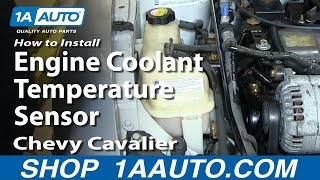
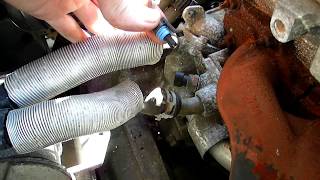
Replacing the ECT sensor is a simple job for most DIY mechanics. It typically takes less than 30 minutes and only requires a deep socket wrench. The sensor is usually located on the thermostat housing or cylinder head. Have the new sensor ready to swap in quickly to minimize coolant loss.
🎬 See this step-by-step guide to replacing your ECT sensor.Frequently Asked Questions
Where is the ECT sensor located on my Cavalier?
On the 2.2L 4-cylinder engine, the ECT sensor is typically found on the thermostat housing, near where the upper radiator hose connects to the engine. 🎬 Watch: Finding the sensor location on the 2.2L engine. On the 3.1L V6, it is often located on the front of the lower intake manifold. Remember to identify whether you are replacing the sensor for the gauge or the sensor for the computer.
Are there any recalls for this part?
No, there are no specific recalls issued by the NHTSA for the engine coolant temperature sensor on the 1991-1995 Chevrolet Cavalier. Failures are due to normal wear and tear over time.
What happens if I don't replace a bad ECT sensor?
Ignoring a bad sensor will lead to persistently poor engine performance, terrible fuel economy, and a constant Check Engine Light. Over time, running a very rich fuel mixture can damage the catalytic converter, leading to a much more expensive repair.
Do I need to drain the coolant to replace the sensor?
You don't have to drain the entire system. Some coolant will leak out when you remove the old sensor. If you are quick and have the new sensor ready to install immediately, you will only lose a small amount, which you can top off afterward.
Helpful Videos
Technical Specifications
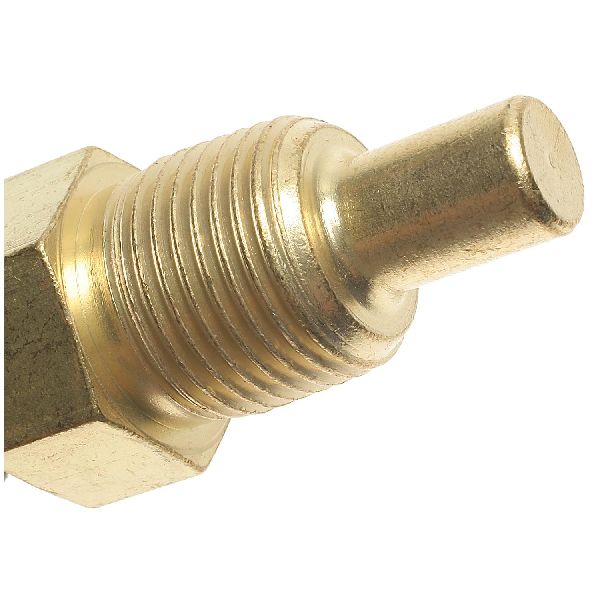
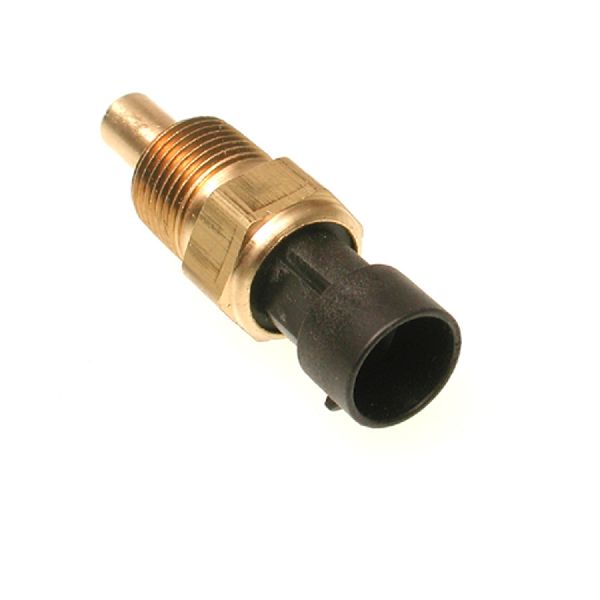
OEM Part Numbers: 12146312 25036979 15326388 25037062
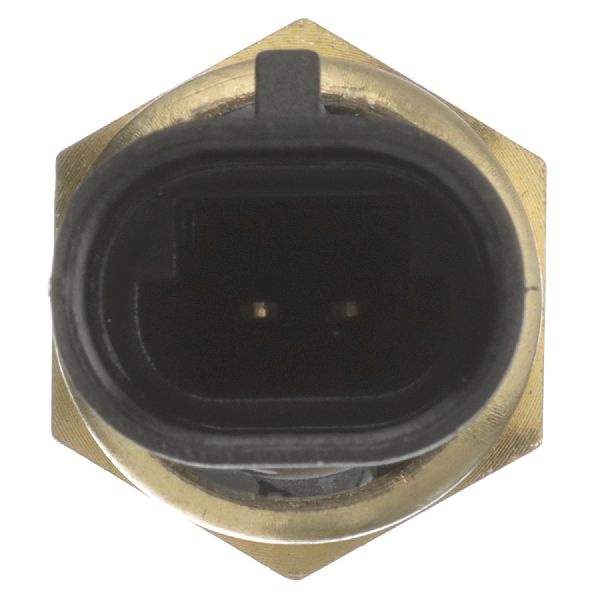
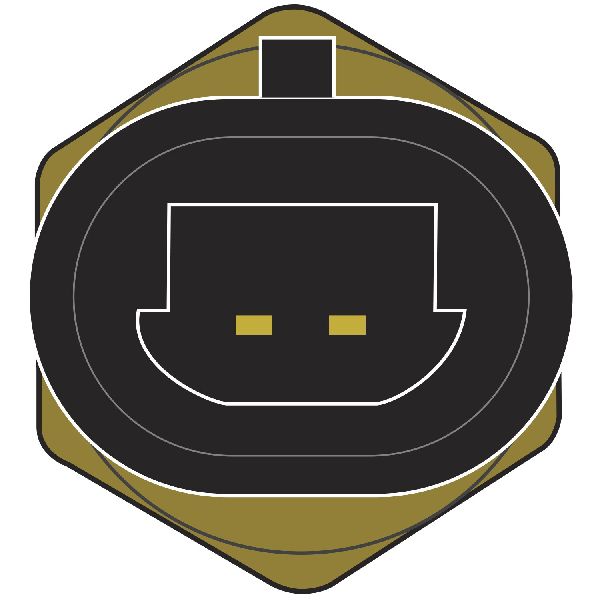
2-pin connector, threaded body. Note: There are two different sensors used, one for the ECM and one for the gauge. Verify the correct part for your needs.
We Have This Part in Stock


The information in this article is provided for general reference and educational purposes only. Vehicle specifications, procedures, and part compatibility can vary by production date, trim level, and region. Always consult your vehicle's factory service manual and verify part numbers before purchasing or performing repairs. Safety-critical components such as airbags, seat belts, and braking systems should be installed by a qualified professional.
- Chevrolet Cavalier:
- 🎬 Helpful Videos
- 🛍️ Shop This Part
- Is Your Cavalier Running Rough? It Could Be the Coolant Temp Sensor
- Two Different Sensors
- Symptoms of a Failing ECT Sensor
- Choosing the Right Aftermarket Sensor
- Tier 1: OEM & Premium Aftermarket
- Tier 2: Reputable Aftermarket
- Tier 3: Value Brands
- Pro Tip: Easy DIY Replacement
- Frequently Asked Questions
- 🎟️ Get 5% Off