

A/C Condenser Replacement Guide for 1991-1995 Ford Explorer
Keep your first-generation Explorer's A/C blowing cold by understanding how to choose and replace a failing condenser.
- The most common failure symptoms are warm air from the vents and visible oily leaks on the condenser itself.
- If your A/C compressor failed catastrophically ("Black Death"), you MUST replace the condenser, accumulator, and orifice tube, or the new parts will be destroyed.
- All new condensers are for R-134a refrigerant; ensure your 1991-1993 Explorer has been converted from the original R-12.
- When replacing the condenser, you must also replace the A/C accumulator/drier to protect the system and validate part warranties.
Is Your Explorer's A/C Condenser Failing?
A bad A/C condenser usually gives clear warning signs. Because it sits at the very front of the vehicle, it's vulnerable to damage from rocks and road debris. Corrosion over three decades can also cause leaks. Here are the most common symptoms:
- Warm Air From Vents: This is the number one sign. If the condenser is clogged or leaking, it can't cool the refrigerant, and your A/C will blow warm or only slightly cool air.
- Visible Leaks: Refrigerant oil can leak from the condenser, leaving a greasy residue on the fins. If a shop has added UV dye, the leak will glow bright green under a blacklight.
- Engine Overheats at Low Speeds: If the condenser fins are clogged with dirt and debris, it can block airflow to the engine's radiator. This can cause your Explorer to run hot when idling or in stop-and-go traffic.
- A/C System Shuts Down: A blockage inside the condenser can cause system pressure to spike. A safety switch will then shut down the A/C compressor to prevent damage.
Critical Issue: Compressor "Black Death"
The FS10 compressor used in these early Explorers is notorious for a failure called "Black Death." This is when the compressor grenades internally, sending metal shavings and black sludge throughout the entire A/C system. If this happens, this debris will clog your new condenser and destroy your new compressor almost immediately. If you are replacing your compressor, you must also replace the condenser, accumulator/drier, and orifice tube. Check the old orifice tube for black, gritty material to see if your system is contaminated.
Choosing the Right Aftermarket Condenser
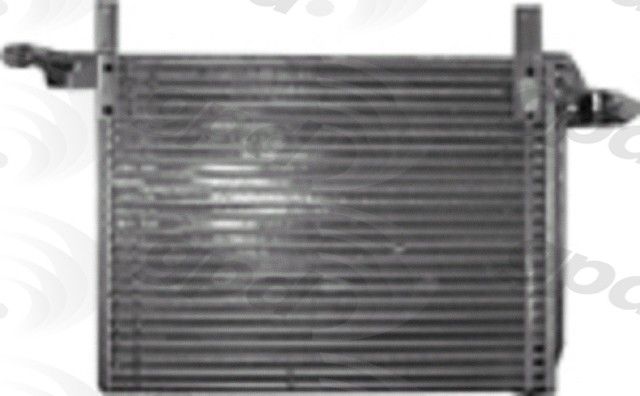
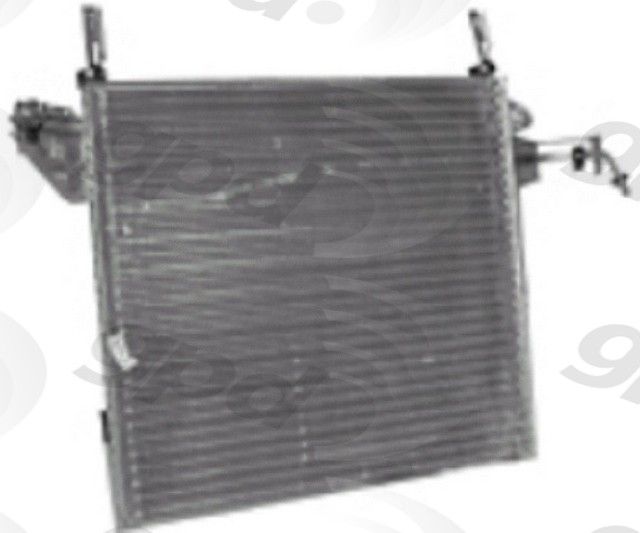
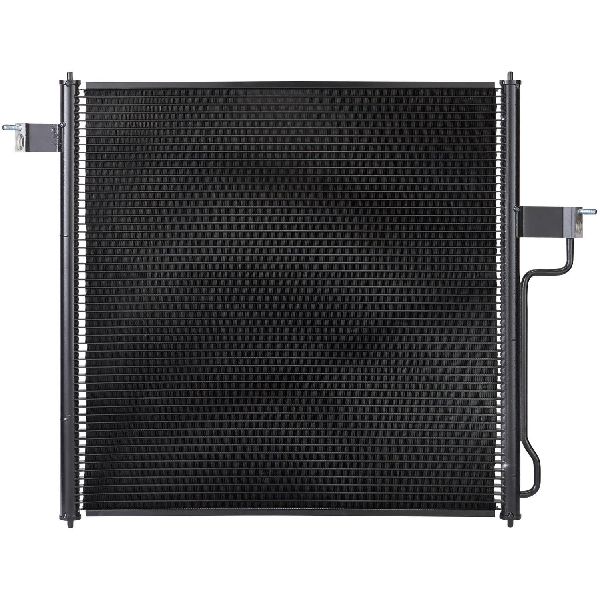
For a 1991-1995 Explorer, finding a new OEM condenser from Ford is highly unlikely. The aftermarket is your primary source. Aftermarket quality for this part is generally good and will meet or exceed the original 30-year-old design. The most important factor is ensuring an exact fit for your vehicle.
When looking at aftermarket brands, they often fall into different tiers:
- Premium Aftermarket (e.g., Spectra Premium): Brands like Spectra often have a strong reputation for quality control and fitment that is very close to OEM standards. They are a reliable choice for this repair.
- Standard Aftermarket (e.g., APDI, Global Parts, One Stop Solutions): These brands offer a great value. They produce reliable condensers that function well. While some professional reviews note minor differences in material thickness or finish compared to premium brands, they are a solid choice for most owners. For a vehicle of this age, a standard aftermarket condenser is a perfectly acceptable and budget-friendly option.
A Note on Refrigerant: R-12 vs. R-134a
Explorers from 1991-1993 originally used R-12 refrigerant (Freon). 1994-1995 models came from the factory with R-134a. R-12 is no longer produced, so virtually all older models have been converted to R-134a. All new aftermarket condensers are designed for R-134a systems. Before starting, confirm your system has been converted—it should have R-134a-specific service ports.
Cost to Replace a 1991-1995 Ford Explorer A/C Condenser
| Part/Service | Estimated Cost |
|---|---|
| New Aftermarket Condenser | $130 - $174 |
| Shop Labor | $175 - $400 |
| A/C System Evacuate & Recharge | $100 - $200 |
| Total Professional Replacement | $405 - $774 |
Costs are estimates and can vary by location and the specific condition of your vehicle. If the compressor also failed, expect costs to be significantly higher.
Frequently Asked Questions (FAQ)
Do I have to replace other parts at the same time?
Yes. Any time you open the A/C system to replace a part like the condenser, you must also replace the A/C accumulator (also called the receiver/drier). This part absorbs moisture from the system, and it becomes saturated once exposed to open air. Failing to replace it will cause your new parts to fail and will void the warranty on the condenser and compressor. Always install new, lubricated O-rings on the line fittings to prevent leaks.
Can I replace the A/C condenser myself?
The mechanical work is possible for a DIYer with moderate experience. It involves removing the front grille. However, it is illegal to release refrigerant into the atmosphere. The A/C system must be professionally evacuated by a certified shop before you begin work, and professionally vacuum-tested and recharged after you are finished.
Are there any recalls on the A/C system for this Explorer?
No. Searches of the National Highway Traffic Safety Administration (NHTSA) database show no recalls specifically for the A/C condenser or related A/C components on the 1991-1995 Ford Explorer.
What's the difference between the condenser and the radiator?
They look very similar and sit next to each other, but they cool different things. The A/C condenser's only job is to cool the hot refrigerant gas for the air conditioning system. The radiator's job is to cool the liquid coolant (antifreeze) for the engine. The condenser is mounted in front of the radiator.
Technical Specifications
OEM Part Numbers: F5TZ-19712-A F4TZ-19712-C F37Z-19712-A FOTZ-19712-A
Core Material: Aluminum. Refrigerant Compatibility: R-134a (all new parts), R-12 (original for 1991-1993 models).
We Have This Part in Stock


The information in this article is provided for general reference and educational purposes only. Vehicle specifications, procedures, and part compatibility can vary by production date, trim level, and region. Always consult your vehicle's factory service manual and verify part numbers before purchasing or performing repairs. Safety-critical components such as airbags, seat belts, and braking systems should be installed by a qualified professional.
- Ford Explorer: