

Accessory Drive Belt Replacement Guide for the 1991-1995 Ford Explorer
Keep your first-generation Explorer running strong by knowing when and how to replace its essential accessory drive belt.
- A squealing noise is the number one sign your belt needs immediate attention.
- Visually inspect the belt for cracks, fraying, or a glazed appearance at every oil change.
- For a long-lasting repair, always inspect the tensioner and idler pulleys when replacing the belt and replace them if they are noisy or worn.
- A complete belt failure will disable your Explorer; do not ignore the warning signs.
Is Your Explorer's Accessory Belt Failing?
An accessory drive belt is a wear-and-tear item. Made of a durable rubber composite, it will eventually wear out from constant heat and friction. For the 1991-1995 Ford Explorer, the signs of a failing belt are usually easy to spot and hear. Ignoring them can leave you stranded with an overheated engine or a dead battery. Watch for these common symptoms:
🎬 Watch: 6 common signs your drive belt is failing- Squealing or Chirping Noises: This is the most frequent warning sign. A high-pitched squeal, especially when you first start the engine, accelerate, or turn on the A/C, usually means the belt is slipping because it's worn out or the tensioner is weak.
- Visible Wear and Damage: Pop the hood and inspect the belt. If you see multiple cracks, frayed edges, missing ribs, or a surface that looks shiny and glazed, it's time for a replacement.
- Accessory Problems: If your headlights are dim, the battery light comes on, steering becomes difficult, or the A/C isn't blowing cold, the belt may not be spinning those components effectively.
- Engine Overheating: Since the belt drives the water pump, a slipping or broken belt can cause the engine's temperature to rise quickly, which can lead to serious damage.
Pro Tip: Inspect the Tensioner and Pulleys
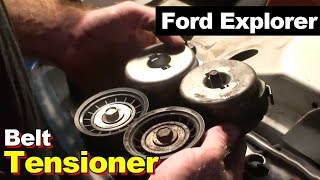
When you replace the belt, it is highly recommended to also inspect the belt tensioner and any idler pulleys. The tensioner is a spring-loaded part that keeps the belt tight. These parts have bearings that wear out over time. Spin the pulleys by hand (with the engine off). If you feel any roughness, wobble, or hear a grinding noise, they should be replaced along with the belt. A bad pulley can quickly destroy a brand-new belt.
🎬 See this walkthrough for replacing the belt, tensioner, and pulleyChoosing the Right Aftermarket Belt
For a straightforward wear item like an accessory belt on this generation of Explorer, you don't need to pay a premium for an OEM part from a dealership. High-quality aftermarket brands offer excellent performance and durability, often for less money.
- OEM (Motorcraft): Motorcraft is Ford's own parts brand. It's the benchmark for fit and quality, but is typically the most expensive option.
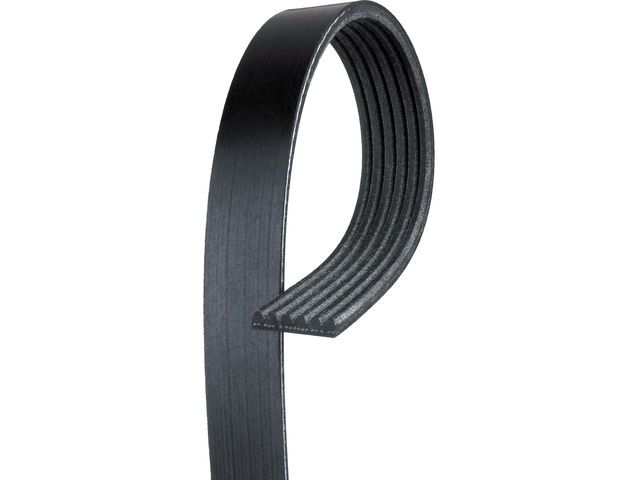
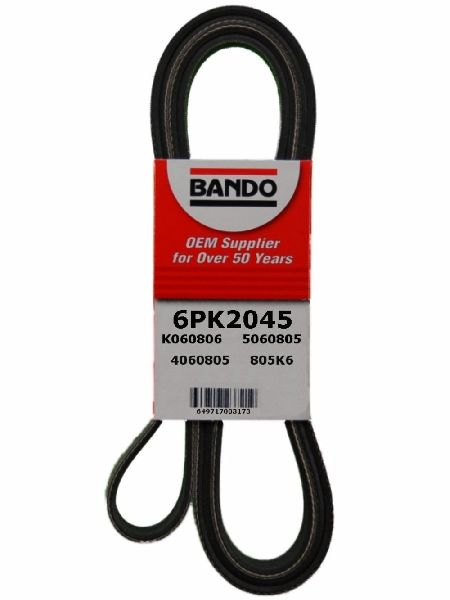
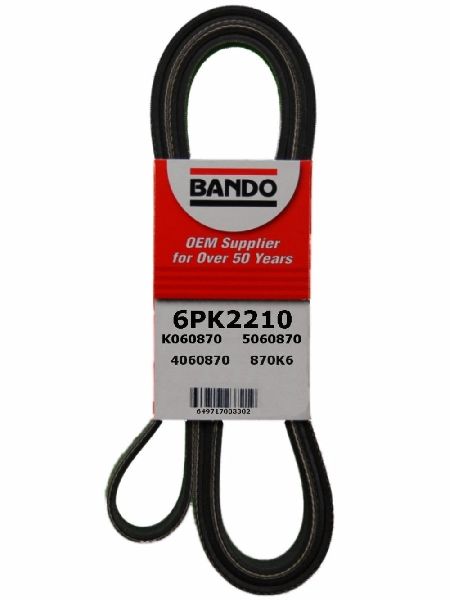
- Premium Aftermarket (ACDelco, Bando): Brands like ACDelco (GM's parts division) and Bando are well-regarded in the industry and are often used by professional mechanics. They are known to meet or exceed original specifications and provide a great balance of reliability and cost. For your Explorer, a belt from either of these brands is a dependable and cost-effective choice.
Known Issues, Recalls, or TSBs
Searches of the National Highway Traffic Safety Administration (NHTSA) database and for Technical Service Bulletins (TSBs) did not show any specific recalls or widespread issues related to the accessory drive belt or tensioner for the 1991-1995 Ford Explorer models. The issues found were for much newer model years and different components.
| Part Type | Estimated Cost |
|---|---|
| New Aftermarket Belt | $35.67 - $79.43 |
| New OEM (Motorcraft) Belt | $46 - $69 |
| Shop Labor | $61 - $90 |
| Total Professional Replacement | $107 - $159 |
Frequently Asked Questions (FAQ)
How often should the accessory belt be replaced?
Most serpentine belts have a lifespan of 60,000 to 100,000 miles. However, it's best to visually inspect the belt for cracks and wear at every oil change, as heat and operating conditions can shorten its life.
Can I drive with a squealing belt?
You can, but it's risky. A squealing belt is a sign that it's failing. If it breaks completely, you will lose power steering, the alternator will stop charging the battery, and the engine will overheat, leaving you stranded.
Is this a difficult DIY job?
For a 1991-1995 Explorer, this is generally considered an easy DIY job that can be done with basic tools in under an hour. The process involves using a ratchet or breaker bar to release the spring-loaded tensioner, slipping the old belt off, routing the new one correctly, and then releasing the tensioner. There should be a belt routing diagram on a sticker under the hood.
🎬 Watch: How to release the tensioner on a 1995 ExplorerWhat is the most common mistake when ordering?
While most 1991-1995 Explorers used the 4.0L OHV V6 engine, it's always critical to confirm your engine before ordering. Different engines use belts of different lengths.
Helpful Videos
![Symptoms of a Bad Serpentine Belt [With Proven Fixes]](https://img.youtube.com/vi/fMV8lpFhJpM/mqdefault.jpg)
Technical Specifications
The primary engine for the 1991-1995 Ford Explorer is the 4.0L OHV V6. You must ensure the belt you purchase is specified for this engine.
We Have This Part in Stock


The information in this article is provided for general reference and educational purposes only. Vehicle specifications, procedures, and part compatibility can vary by production date, trim level, and region. Always consult your vehicle's factory service manual and verify part numbers before purchasing or performing repairs. Safety-critical components such as airbags, seat belts, and braking systems should be installed by a qualified professional.
- Ford Explorer: