

Choosing an Alternator for Your 1991-1995 Ford Explorer
Keep your first-generation Explorer's electrical system running strong by picking the right new alternator.
- The standard alternator for the 1991-1995 Explorer 4.0L is 95 amps; this is sufficient unless you have major electrical upgrades.
- Symptoms like dimming lights, a battery warning light, and whining noises are clear signs of a failing alternator.
- Replacing the alternator is a straightforward DIY job for most home mechanics, located at the top of the engine.
- Consider replacing the serpentine belt at the same time for preventative maintenance, as it must be removed anyway.
Is Your Explorer's Alternator Failing?
The first-generation Ford Explorer is a tough truck, but its parts don't last forever. The alternator works hard and will eventually wear out. When it starts to fail, it will give you some clear warning signs. Paying attention to these signs can keep you from getting stranded with a dead battery.
Common Symptoms of a Bad Alternator:
- Dim or Flickering Lights: One of the first things you'll notice is the headlights, dash lights, or interior lights getting dim or flickering. This happens because the alternator isn't producing enough power to keep everything running at full strength.
- Battery Warning Light: A light on your dashboard shaped like a battery, or one that says "ALT" or "GEN," will turn on. This is a direct signal that the charging system has a problem.
- Slow or Failing Accessories: Electrical parts like your power windows might roll up and down slower than usual. The radio or heater fan might also act up or stop working.
- Whining or Grinding Noises: A high-pitched whining sound that changes with engine speed often points to a failing alternator. Grinding noises can mean the bearings inside the alternator are worn out and failing.
- Difficulty Starting: If your Explorer is hard to start or won't crank, it could be because the alternator hasn't been charging the battery properly. A weak or dead battery is a classic sign of a failing alternator.
No-Start Condition
A completely failed alternator will not recharge the battery. Eventually, the battery will run out of power, and your Explorer will not be able to start. If you have to jump-start your truck frequently, the alternator is a likely suspect.
Choosing the Right Aftermarket Alternator
For a 1991-1995 Explorer, buying a brand-new aftermarket alternator is a smart choice. Aftermarket parts often provide the same quality as the original factory parts but at a better price. The standard alternator for the 4.0L V6 engine in these Explorers is rated at 95 amps. Unless you have added significant electrical accessories like a powerful sound system or off-road lights, a 95-amp unit is all you need.
Aftermarket Brand Tiers
Not all aftermarket brands are the same. Here's a general breakdown of the brands available for your Explorer:
- Premium Brands (Denso, Remy, ACDelco): These brands are well-known for making high-quality parts, sometimes for the original automaker. Denso, in particular, has a strong reputation for reliability and is often considered an OEM-quality choice. Remy and ACDelco also have a long history of producing dependable electrical components. You can expect these to be the most reliable and durable options.
- Standard Brands (WAI Global, BBB Industries, MPA): These brands offer a good balance of quality and price. WAI Global is a large manufacturer that often includes a test report in the box to show the alternator's performance. BBB and MPA (Motorcar Parts of America) are major suppliers in the aftermarket and provide solid, reliable parts for daily use.
- High-Performance Brands (Powermaster): If you have added accessories that draw a lot of power, a high-output alternator from a brand like Powermaster might be necessary. These can produce much more amperage than the stock 95-amp unit, but often require wiring upgrades (like the "Big 3" wiring upgrade) to handle the extra power safely.
New vs. Remanufactured
While new alternators are built with 100% new components, remanufactured units are also a common option. A quality remanufactured alternator from a top brand like Denso or Remy can be a reliable, cost-effective choice. However, quality can vary, and some owners prefer the peace of mind that comes with a completely new part. For this generation of Explorer, a new aftermarket unit from a reputable brand offers a great combination of value and reliability.
Known Issues, Recalls, and TSBs
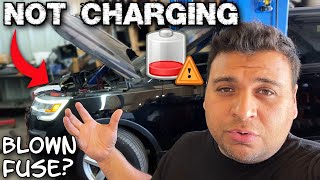
Searches for recalls and Technical Service Bulletins (TSBs) specific to the alternator on the 1991-1995 Ford Explorer did not reveal any specific campaigns. However, there were general recalls for this vehicle generation, including one for a faulty cruise control system that could be a fire risk. The electrical system in older vehicles can also have issues with corroded wiring or bad grounds, which can sometimes be misdiagnosed as a bad alternator. 🎬 Watch: How to diagnose a blown fuse causing charging issues. It's always a good idea to check the battery cables and main wiring for corrosion or damage before replacing parts.
Frequently Asked Questions (FAQ)
Do I need a high-output alternator?
For a stock 1991-1995 Explorer, the standard 95-amp alternator is sufficient. You only need a high-output model if you have added heavy-duty electrical accessories like a large winch, a competition-level stereo system, or extensive auxiliary lighting. Sticking with the standard amperage is fine for most owners.
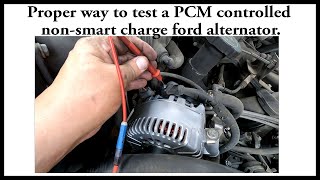
🎬 See this guide on how to properly test your alternator.Is replacing the alternator a DIY job?
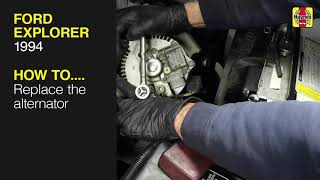
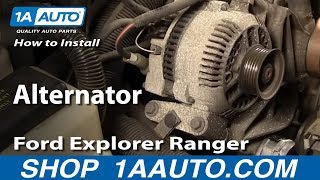
Yes, for many home mechanics, this is a very manageable job. The alternator is located at the top front of the engine and is relatively easy to access. The basic steps involve disconnecting the battery, removing the serpentine belt, unplugging the electrical connectors, and unbolting the alternator. You will need a serpentine belt tool or a ratchet to release the tension on the belt.
What is the most common mistake when ordering?
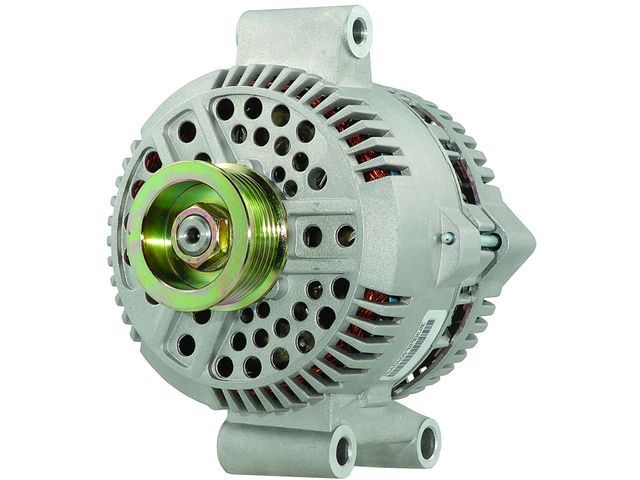
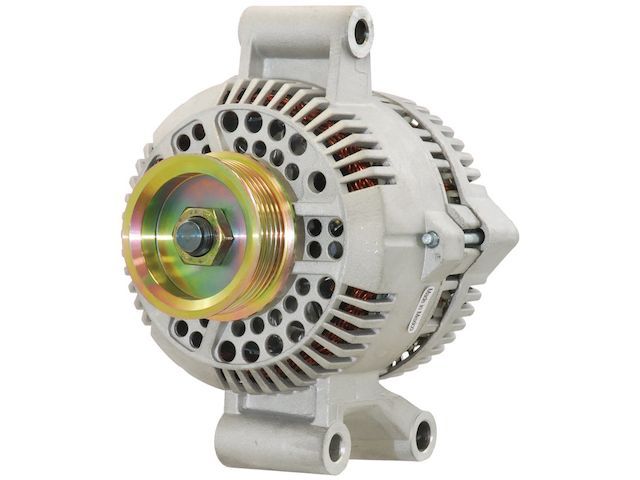
The most common mistake is not verifying the amperage and pulley size. For the 1991-1995 Explorer with the 4.0L engine, the standard alternator is 95 amps with a 6-groove serpentine pulley. While most are standard, always double-check that the replacement matches your vehicle's specifications to ensure a proper fit and function.
What else should I replace with the alternator?
It's a great time to inspect the serpentine belt. If the belt is old, cracked, or glazed, you should replace it at the same time you replace the alternator. Since you already have to remove the belt for the job, replacing it adds very little extra time or labor. 🎬 Watch this step-by-step walkthrough for replacing your Explorer's alternator. Also, ensure your battery terminals are clean and tight.
Helpful Videos
Technical Specifications
OEM Part Numbers: F1TZ-10346-A F1TU-10300-AD F1TU-10300-AF F1TZ-10346-B
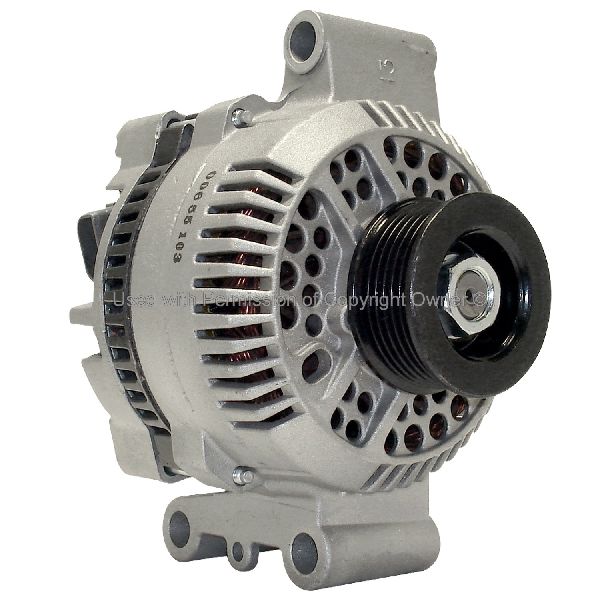
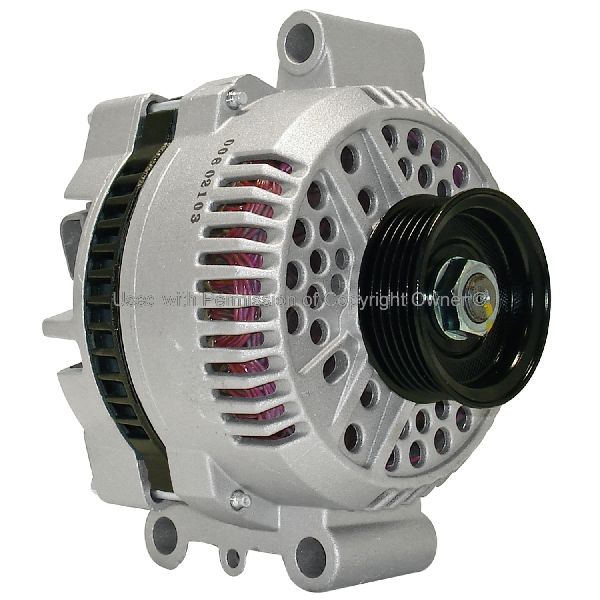
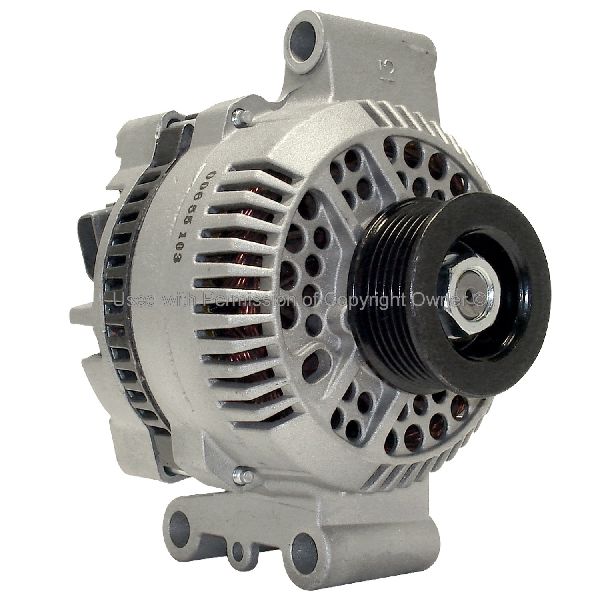
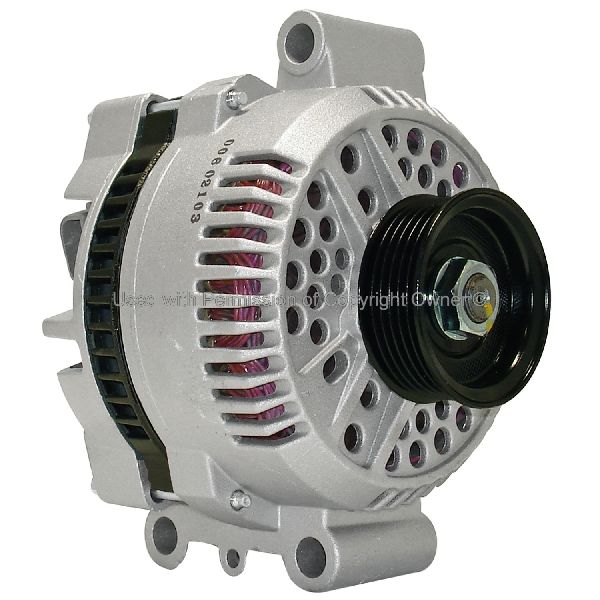
The standard unit for the 1991-1995 Ford Explorer with the 4.0L V6 engine is a 95 amp alternator with an internal regulator and a 6-groove serpentine pulley.
We Have This Part in Stock

The information in this article is provided for general reference and educational purposes only. Vehicle specifications, procedures, and part compatibility can vary by production date, trim level, and region. Always consult your vehicle's factory service manual and verify part numbers before purchasing or performing repairs. Safety-critical components such as airbags, seat belts, and braking systems should be installed by a qualified professional.
- Ford Explorer: