

Ford Explorer Automatic Transmission Mount: A Guide for 1991-1995 Models
That clunking noise when you shift into gear might be your transmission mount.
- Symptoms of a bad mount include clunking when shifting, cabin vibrations, and excessive drivetrain movement.
- Verify if your Explorer is 2WD or 4WD before ordering, as they require different parts.
- Be cautious with budget brands like Anchor and DEA; widespread owner complaints report poor quality and premature failure.
- Original Ford (Motorcraft) mounts are generally discontinued, making aftermarket your primary option.
Is Your Explorer's Transmission Mount Failing?
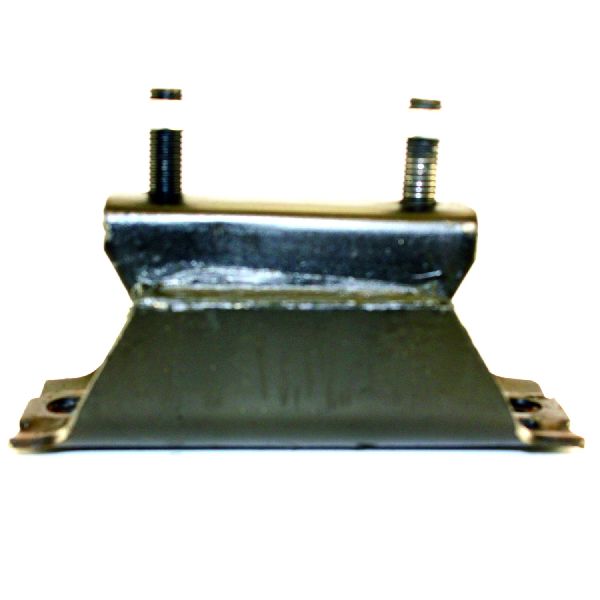
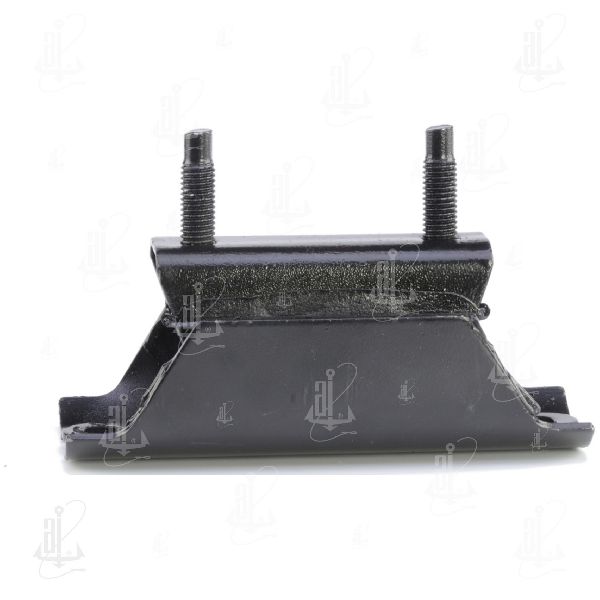
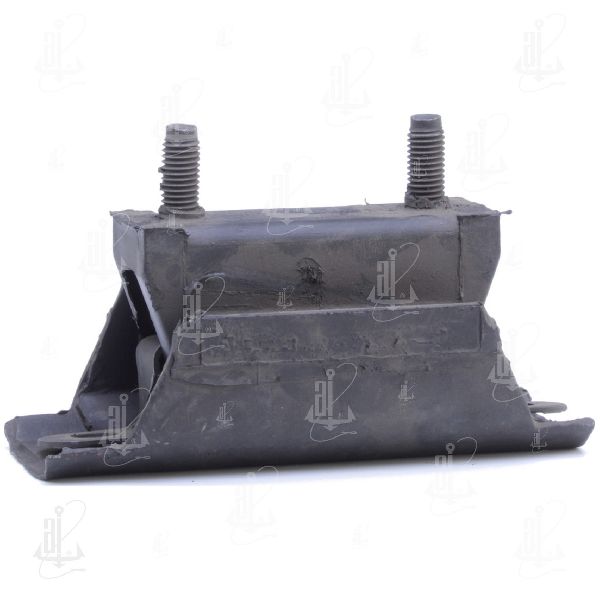
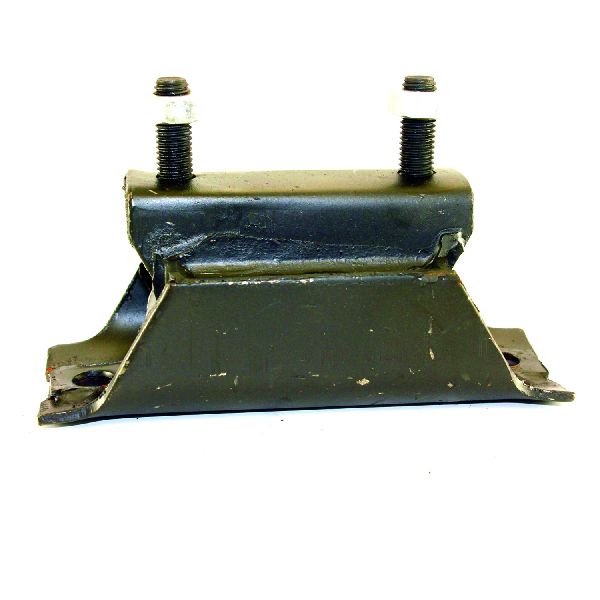
The transmission mount on the first-generation Ford Explorer is a rubber and metal block that wears out over time. The rubber can crack, collapse, or become saturated with oil, making it soft and ineffective. When it fails, you'll likely notice some distinct symptoms.
Common Symptoms of a Bad Mount:
- Clunking or Banging Noises: The most common sign is a loud clunk or bang when you shift from Park into Reverse or Drive. You might also hear it during hard acceleration or braking as the transmission shifts and hits other components.
- Excessive Vibrations: You may feel new or increased vibrations through the floor, steering wheel, or seats. This is especially noticeable at idle when in gear or during acceleration.
- Drivetrain Movement: A failed mount allows the engine and transmission to move more than they should. A mechanic can check this by power braking the vehicle (holding the brake and lightly applying the throttle in gear) to see if the powertrain lifts excessively.
A Note on OEM vs. Aftermarket Quality
The original Ford (Motorcraft) transmission mounts for this generation of Explorer are largely discontinued and no longer available to buy new. This means you will be choosing from aftermarket brands. Be aware that there is a significant difference in quality in the aftermarket. While many owners of newer vehicles prefer OEM parts, for this specific vehicle, the choice is between different tiers of aftermarket quality.
Choosing the Right Aftermarket Mount
For the 1991-1995 Explorer, the most important first step is to identify whether you have a two-wheel drive (2WD) or four-wheel drive (4WD) model, as they use different mounts. Aftermarket part numbers like Anchor 2639 are typically for 2WD models, while Anchor 2666 is for 4WD models. Always verify fitment before purchasing.
Brand Quality Tiers
- Economy/Standard Brands (Anchor, DEA, Pioneer Cable): These brands are widely available and very inexpensive. However, numerous accounts from Ford owners in forums suggest caution. Common complaints include the use of harder rubber compounds that transmit more vibration into the cabin than the original part, poor fitment requiring modification, and a short service life, sometimes failing in less than a year. While the low initial cost is appealing, the potential for a repeat repair job might negate the savings.
- Heavy-Duty Option (Brianbuilt Fabrication): For owners seeking a more robust solution, some small fabricators offer heavy-duty mounts made with polyurethane. These are designed for performance and durability but will be more expensive and may transfer slightly more vibration than a stock rubber mount, though they will be far more durable than economy options.
Cost to Replace the Transmission Mount
This is a relatively inexpensive part, but labor will make up most of the cost if you have a shop do the work. The job typically takes 1 to 2 hours.
| Item | Estimated Cost |
|---|---|
| New Aftermarket Part | $18.49 - $32.41 |
| New OEM Part (Motorcraft) | N/A (Discontinued) |
| Shop Labor | $150 - $350 |
| Total Professional Replacement | $170 - $385 |
Frequently Asked Questions
Is the 4WD transmission mount the same as the 2WD one?
No. The 4WD and 2WD versions of the 1991-1995 Explorer use different transmission mounts to accommodate the presence or absence of the transfer case. It is critical to order the correct part for your drivetrain.
Can I replace the transmission mount myself?
Yes, this is a job that a DIYer with the right tools can perform. It requires safely lifting and supporting the vehicle on jack stands, supporting the transmission with a floor jack and a block of wood, and having the correct wrenches and sockets. The main challenge can be dealing with rusty bolts on an older vehicle.
Why are some aftermarket mounts so cheap? Are they worth it?
These mounts are simple parts made of stamped steel and bonded rubber, making them inexpensive to produce in large volumes. However, many vehicle owners have reported that budget brands like Anchor and DEA use lower-quality rubber that fails quickly or is too hard, causing vibrations. They may be a temporary fix, but they are not recommended if you want a long-term, quality repair.
Were there any recalls for the transmission mount on the 1991-1995 Explorer?
No, there were no specific recalls or Technical Service Bulletins (TSBs) issued by Ford or the NHTSA for the automatic transmission mount on this generation of the Explorer. Failure of this part is typically due to age and wear.
Technical Specifications
OEM Part Numbers: F57Z-6068-C F1TZ-6068-A
The primary specification difference is the design for two-wheel drive (2WD) versus four-wheel drive (4WD) models. The 4WD mount accommodates the transfer case.
We Have This Part in Stock


The information in this article is provided for general reference and educational purposes only. Vehicle specifications, procedures, and part compatibility can vary by production date, trim level, and region. Always consult your vehicle's factory service manual and verify part numbers before purchasing or performing repairs. Safety-critical components such as airbags, seat belts, and braking systems should be installed by a qualified professional.
- Ford Explorer: