

1991-1995 Ford Explorer HVAC Heater Hose: A Complete Guide
Prevent coolant leaks and keep your heat working by understanding how to choose the right replacement heater hose for your first-generation Explorer.
- Always replace heater hoses in pairs; if one has failed, the other is likely weak.
- It is best practice to replace the plastic heater control valve and hose clamps at the same time as the hoses.
- Premium aftermarket brands like Gates, Dayco, and Continental are reliable and cost-effective choices for this vehicle.
- A leaking heater hose can lead to critical engine overheating; do not ignore coolant leaks.
Symptoms of a Failing Heater Hose
On a first-generation Ford Explorer, the heater hoses are over 30 years old. The rubber has been exposed to countless heat cycles and constant pressure. Failure is a matter of when, not if. Look for these common signs:
- Coolant Leaks: This is the most obvious symptom. You may see puddles of green or yellow fluid under your Explorer, especially near the back of the engine compartment by the firewall.
- Sweet Smell: Antifreeze has a distinct sweet odor. If you smell this inside or outside your vehicle, a hose is likely leaking.
- Visible Damage: Pop the hood and inspect the hoses. Look for cracks, splits, bulging, or hoses that feel overly soft and spongy or hard and brittle.
- No Cabin Heat: If a hose is clogged or the associated heater control valve fails, hot coolant can't reach the heater core, leaving you with cold air from the vents.
- Engine Overheating: A significant leak will lower your coolant level, which can cause your Explorer's engine to overheat. This can lead to severe engine damage if not addressed quickly.
- Wet Passenger Floorboard: In a severe failure, a hose connection at the firewall can leak coolant into the cabin, soaking the passenger-side carpet.
A Note on the Heater Control Valve
The 1991-1995 Explorer uses a plastic, vacuum-operated heater control valve in line with the heater hoses. These valves are a known failure point and can crack or stop working. Since you are already replacing the hoses, it is highly recommended to replace this inexpensive valve at the same time to prevent future problems.
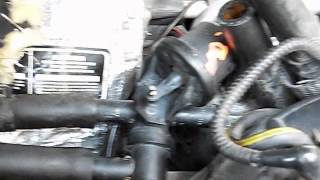
🎬 Watch: Step-by-step guide to replacing the heater control valveChoosing the Right Aftermarket Heater Hose
For a vehicle like the 1991-1995 Explorer, aftermarket parts offer excellent value. The key is to choose a reputable brand. Motorcraft is Ford's original part, but quality aftermarket brands are more than adequate for this component.
Brand Quality Tiers
- OEM (Motorcraft): This is the original part your Explorer was built with. It guarantees a perfect fit and original quality. However, it is the most expensive option and may not be necessary for a simple hose on an older vehicle.
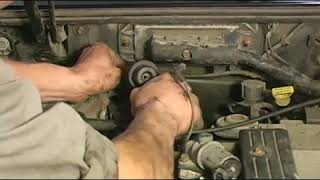
- Premium Aftermarket (Gates, Dayco, Continental): These are top-tier brands that manufacture hoses for many car companies. They are trusted in the repair industry and are the most common choice for replacements. Forum discussions show that owners have had good long-term success with both Gates and Dayco. The most important factor is ensuring the molded bends of the new hose match the original perfectly to avoid kinks. 🎬 See how to properly route and reconnect your heater hoses
Pro Tip: Before installing, hold the new aftermarket hose next to the old one you just removed. Verify that all the bends, lengths, and diameters are identical. While rare, manufacturing defects or catalog errors can occur, and checking the fit first saves a lot of frustration.
Cost of Replacement Parts for 1991-1995 Ford Explorer
| Part | Price Range |
|---|---|
| New Aftermarket HVAC Heater Hose Assembly | $31.71 - $81.22 |
| New OEM (Motorcraft) HVAC Heater Hose Assembly | $90 - $150+ (Estimate) |
| Shop Labor | $100 - $200 (Estimate) |
Frequently Asked Questions
Can I replace just one heater hose?
You can, but it's not recommended. Both hoses have been exposed to the same age and conditions. If one has failed, the other is likely not far behind. It is best practice to replace them as a set to save time and prevent another leak down the road.
Should I replace the hose clamps?
Yes, absolutely. The original spring-style clamps can lose their tension over time. For a reliable seal, replace them with new spring clamps or high-quality worm-gear style clamps. Never reuse old clamps.
What else should I inspect during the replacement?
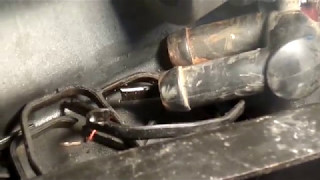
While replacing the hoses, inspect the two nipples on the heater core where the hoses connect. Check them for corrosion or cracks. 🎬 Watch: How to access and replace the heater core Also, check the engine-side connections for the same. This is also a great time to check your coolant's condition and level, and to inspect other nearby hoses for signs of wear.
Is this a difficult job to do myself?
For a DIYer with basic tools, this is a manageable job. The difficulty is about a 2 out of 5. You will need pliers for the clamps, a bucket to catch coolant, and potentially a screwdriver. Allowing 1-2 hours is plenty of time. Removing the battery can sometimes provide better access to the hose connections at the firewall.
Helpful Videos

Technical Specifications
OEM Part Numbers: F17Z-18472-G F17Z-18472-H
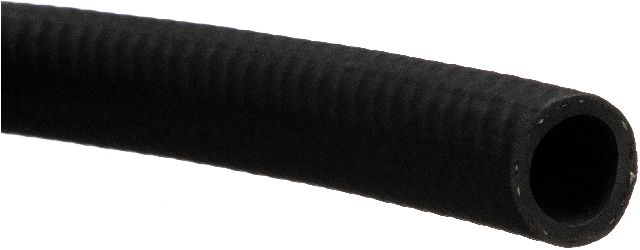
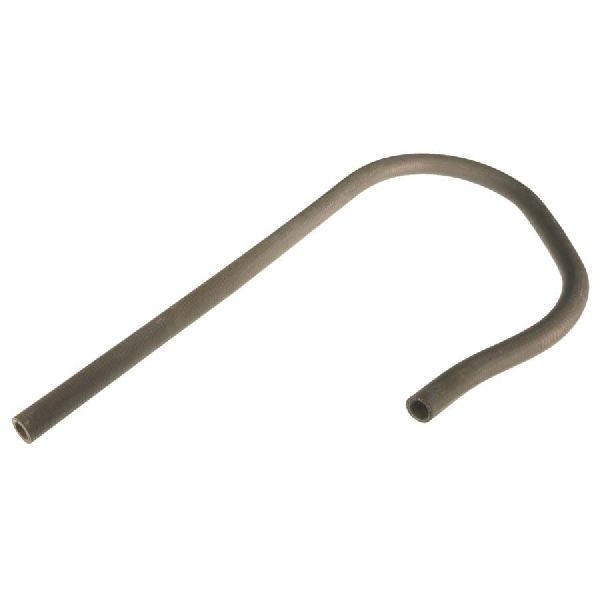
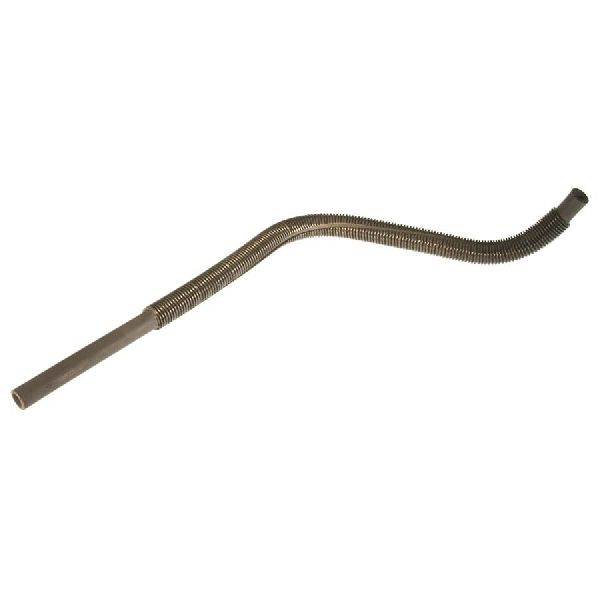
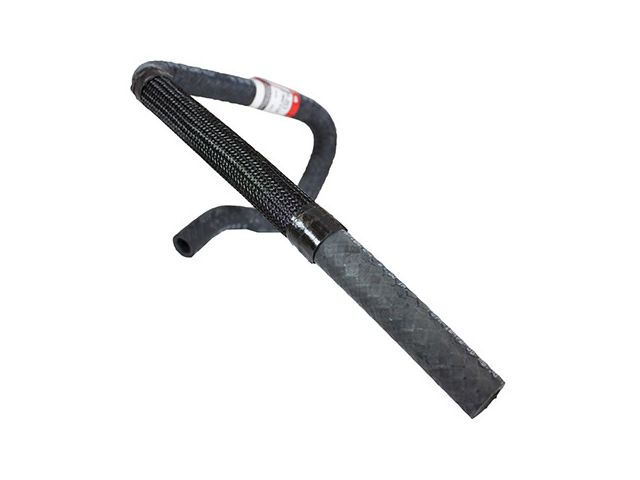
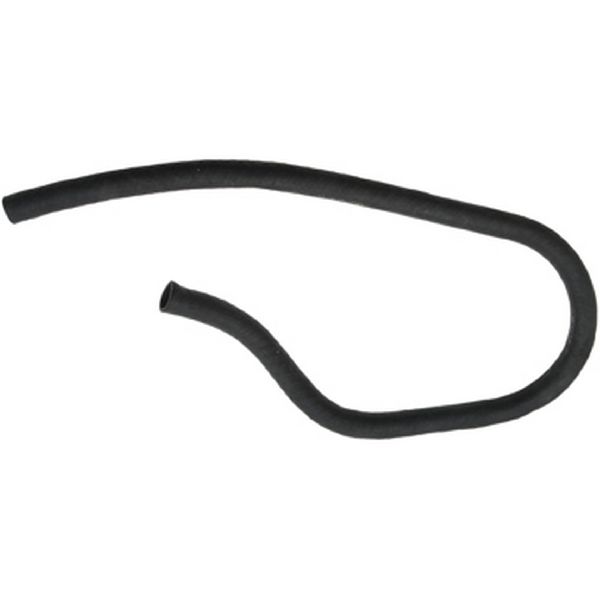
This part is a set of molded rubber hoses designed to carry engine coolant to and from the heater core. It often includes an integrated heater control valve.
We Have This Part in Stock


The information in this article is provided for general reference and educational purposes only. Vehicle specifications, procedures, and part compatibility can vary by production date, trim level, and region. Always consult your vehicle's factory service manual and verify part numbers before purchasing or performing repairs. Safety-critical components such as airbags, seat belts, and braking systems should be installed by a qualified professional.
- Ford Explorer: