

1991-1995 Ford Explorer Mass Air Flow Sensor: A Mechanic's Guide
Fix your Explorer's rough idle, stalling, and poor gas mileage by understanding its MAF sensor.
- Always try cleaning the sensor with MAF-specific cleaner before buying a new part, as this often solves the problem.
- Before replacing the sensor, check for vacuum leaks or a dirty Idle Air Control (IAC) valve, which can cause similar symptoms.
- For reliability, choose a premium aftermarket brand like Delphi or NGK; cheap, unbranded sensors are known to cause issues.
- The replacement is a simple 15-minute job that only requires basic hand tools.
Symptoms of a Failing MAF Sensor
When the MAF sensor on your first-generation Explorer gets dirty or fails, it can't measure air correctly. This causes the engine computer to add the wrong amount of fuel, leading to noticeable problems. Before you assume the sensor is bad, it's a good idea to check for vacuum leaks around the engine, as they can cause very similar symptoms.
- Rough Idle and Stalling: Your Explorer might shake, idle erratically, or stall completely when you come to a stop.
- Hesitation and Jerking: The truck may feel sluggish, stumble, or jerk when you press the gas pedal, which can be dangerous when trying to accelerate.
- Poor Fuel Economy: A bad sensor often causes the engine to run rich (too much fuel), leading to a significant drop in gas mileage.
- Black Exhaust Smoke: This is a classic sign of an engine running rich, often caused by a faulty MAF sensor telling the computer there is more air than there actually is.
- Check Engine Light: A failing MAF sensor will often trigger the Check Engine Light. On 1991-1994 models with OBD-I, this might show up as code 157. On 1995 models, which may have OBD-II, you might see codes like P0102 (MAF Circuit Low) or P0103 (MAF Circuit High).
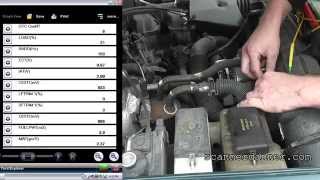
Pro Tip: A common driveway test is to unplug the MAF sensor's electrical connector while the engine is running. If the engine's performance improves, it's a strong sign the sensor is faulty 🎬 Watch: How to test a 1995 Explorer MAF sensor and needs to be replaced.
Can I Just Clean My MAF Sensor?
Yes, and you should try this first. Contamination is the number one cause of MAF sensor problems. Over time, dirt and oil can coat the delicate hot wires inside the sensor. Cleaning is cheap and easy.
Warning: Only use a cleaner specifically designed for MAF sensors. Do NOT use brake cleaner, carburetor cleaner, or other harsh chemicals, as they can permanently damage the sensor's plastic and sensitive wires.
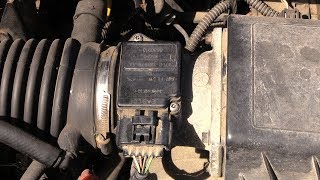
- Locate the sensor between the air filter box and intake tube.
- Unplug the electrical connector.
- Remove the two screws (usually a Torx T20 security bit is needed) and carefully pull the sensor out.
- Generously spray the sensor's wires and components with the MAF cleaner. Do not touch the wires with the spray nozzle or your fingers.
- Let the sensor air dry completely for at least 10 minutes before reinstalling it. Do not use compressed air. 🎬 See this easy walkthrough for cleaning Ford MAF sensors
Choosing the Right Aftermarket MAF Sensor
For a vehicle this age, an OEM sensor from Ford is likely expensive or hard to find. A quality aftermarket part is the most practical choice. However, these Ford systems are sensitive; buying the cheapest available part can lead to ongoing problems. Brands can be grouped into tiers based on quality and reliability.
- Premium Aftermarket (Recommended): Brands like Delphi and NGK/NTK are known for making high-quality electronic parts that often meet or exceed OEM specifications. They are calibrated accurately and are a reliable choice for long-term performance.
- Standard Aftermarket: Brands such as Spectra and Walker Products offer a good balance of price and quality. They are a solid choice for a daily driver if a premium brand isn't available.
- Remanufactured & Economy: Brands like Cardone often offer remanufactured units, and quality can be inconsistent. Economy brands like DriveWire are the most affordable but carry the highest risk of being poorly calibrated, which can cause performance issues right out of the box.
Cost of Replacing a Mass Air Flow Sensor
| Part Type | Estimated Cost |
|---|---|
| New Aftermarket | $40 - $160 |
| Shop Labor | $50 - $150 |
| Total Professional Repair | $90 - $310 |
Frequently Asked Questions
Do I need special tools for the replacement?
You will need a flathead screwdriver for the intake hose clamps and possibly a Torx T20 security bit for the sensor screws. Some models may use 8mm or 10mm bolts instead. It is a very simple job for any DIYer.
🎬 Watch a complete MAF sensor replacement on a 1994 ExplorerDo I need to disconnect the battery?
It is always a good practice to disconnect the negative battery terminal before working on any electronic component. This also resets the engine computer, allowing it to relearn fuel trims with the new sensor.
What is the difference between the sensor and the housing?
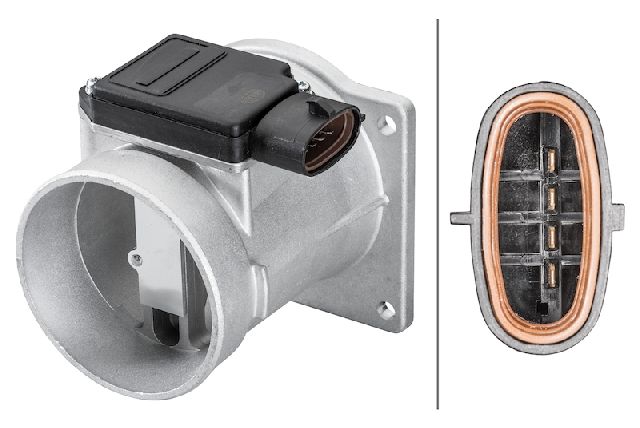
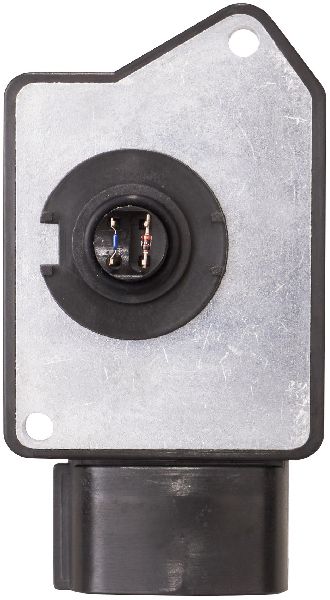
The MAF sensor is the small electronic component with the wires that take the reading. It is often bolted into a larger plastic or aluminum tube called the housing. You can usually buy just the sensor element, which is cheaper, or the complete assembly with a new housing.
Are there any recalls for the 1991-1995 Explorer MAF sensor?
No. There are no recalls or common Technical Service Bulletins (TSBs) from Ford specifically for the Mass Air Flow sensor on this generation of Explorer.
Helpful Videos
Technical Specifications
OEM Part Numbers: F2VF-12B579-A2A F0TZ-12B579-A F07F-12B579-AA F07Z-12B579-AARM ZZL013215
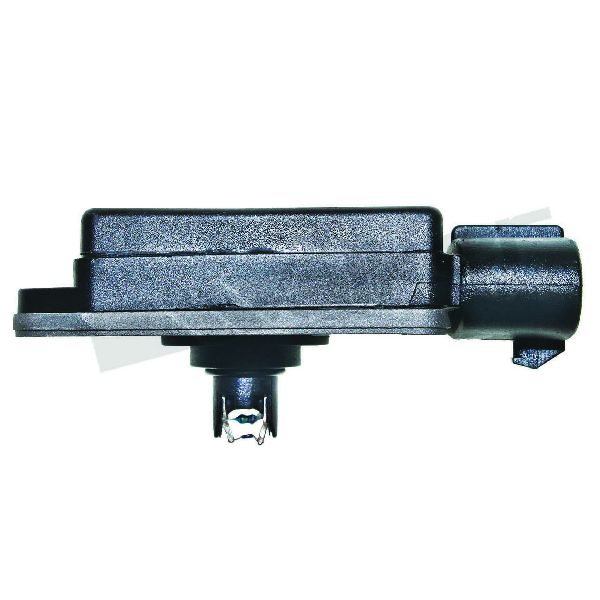
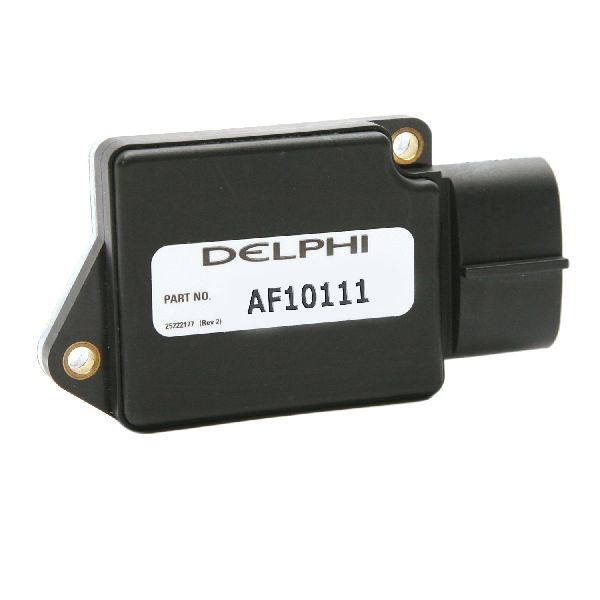
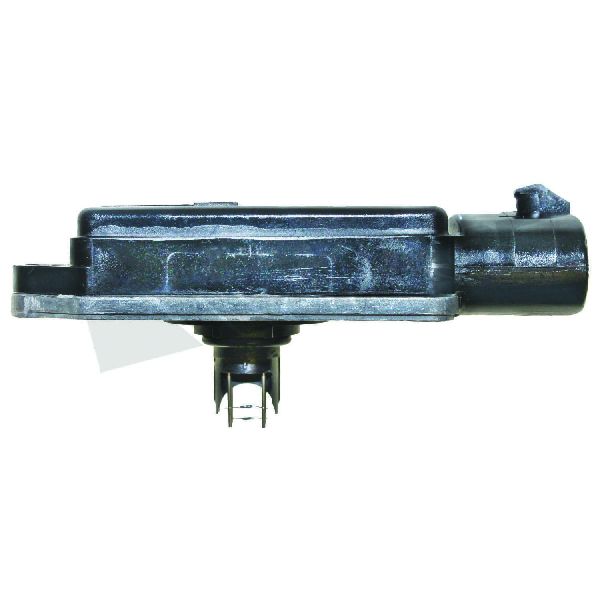
This is a hot-wire type Mass Air Flow sensor, typically mounted in a 70mm housing for the 4.0L V6 engine. The electrical connector is an oval shape. The sensor element itself is often secured with T20 security Torx screws.
We Have This Part in Stock


The information in this article is provided for general reference and educational purposes only. Vehicle specifications, procedures, and part compatibility can vary by production date, trim level, and region. Always consult your vehicle's factory service manual and verify part numbers before purchasing or performing repairs. Safety-critical components such as airbags, seat belts, and braking systems should be installed by a qualified professional.
- Ford Explorer: