

Ford Explorer Oxygen Sensor Guide for 1991-1995 Models
Everything you need to know about replacing the oxygen sensors on your first-generation Ford Explorer.
- Your 1991-1995 Explorer has two upstream oxygen sensors, one for each side of the engine.
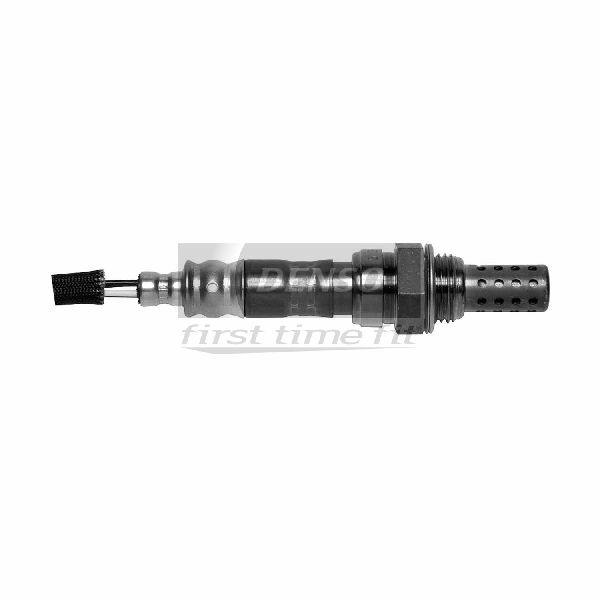
- For best results and to avoid compatibility issues, choose a direct-fit sensor from an OEM-equivalent brand like Bosch, Denso, or NGK/NTK.
- Rust is the biggest challenge; soak the old sensor in penetrating oil before attempting removal and use a special O2 sensor socket.
- Replacing a bad oxygen sensor is a cost-effective way to restore fuel economy and engine performance.
What is an Oxygen Sensor and Why Does it Fail?
Think of the oxygen sensor, or O2 sensor, as the nose of your exhaust system. It's mounted in the exhaust pipe and constantly sniffs the gases coming from the engine. Its job is to tell the engine computer if the fuel mixture is too rich (too much fuel) or too lean (not enough fuel). On a 1991-1995 Ford Explorer, these are pre-OBD-II vehicles, meaning they have a simpler emissions system than newer trucks. You typically have two main oxygen sensors, one for each side (bank) of your V6 engine, located upstream before the catalytic converter. These are known as Heated Oxygen Sensors (HO2S).
Over time, these sensors get contaminated by carbon, oil, and other byproducts of combustion. This contamination makes them slow to respond or causes them to send incorrect signals. When this happens, your engine can't properly adjust the fuel mixture, leading to problems.
Symptoms of a Bad Oxygen Sensor on a 1991-1995 Explorer
A failing oxygen sensor doesn't usually stop the truck from running, but it will cause noticeable issues. Here’s what to look out for:
- Check Engine Light: This is the most common sign. Your Explorer's computer will trigger a code when it detects a problem with the sensor's signal.
- Poor Fuel Economy: If the sensor is stuck reading lean, the computer will dump more fuel into the engine than needed, causing your gas mileage to drop.
- Rough Idle or Stalling: An incorrect air/fuel mixture can make your engine run rough, especially when idling.
- Failed Emissions Test: A bad O2 sensor is one of the most common reasons for failing a smog check.
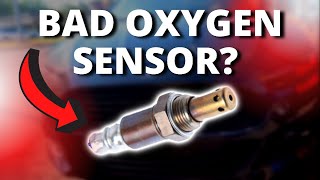
- Black Smoke from Exhaust: This indicates a very rich fuel condition, which can be caused by a faulty sensor. 🎬 Watch: A detailed breakdown of bad oxygen sensor symptoms.
Choosing the Right Aftermarket Oxygen Sensor
For a vehicle like the first-gen Explorer, you don't need to buy the most expensive part from a dealer. High-quality aftermarket brands often make the original parts for Ford. However, not all aftermarket sensors are created equal. Sticking to proven brands is key to avoiding future headaches.
Tier 1: OEM-Quality Aftermarket
These brands are known to be original equipment manufacturers for Ford and other major car companies. They offer the best fit, performance, and longevity without the dealership price tag.
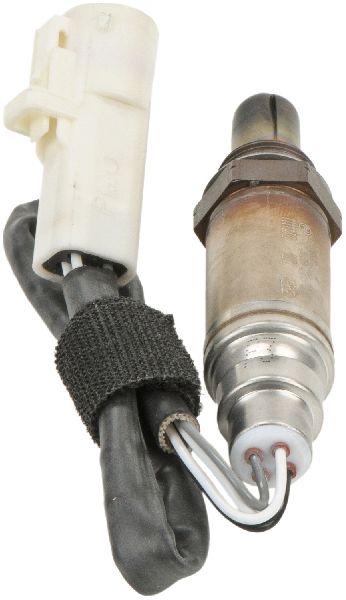
- Bosch: Widely considered the original inventor and supplier for Ford. For your Explorer, a direct-fit Bosch sensor is as close to original as you can get.
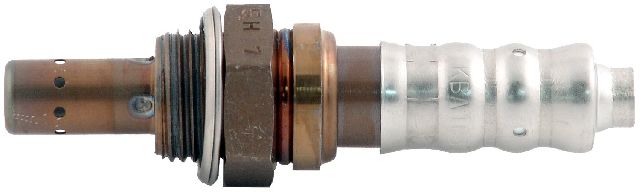
- Denso & NGK (NTK): These are top-tier Japanese brands with a strong reputation for reliability and performance. Many professional mechanics trust them for their own vehicles and customer cars.
Tier 2: Standard Aftermarket
These brands offer a good balance of quality and price. They are reliable for daily driving and are a solid choice if premium brands aren't in the budget.
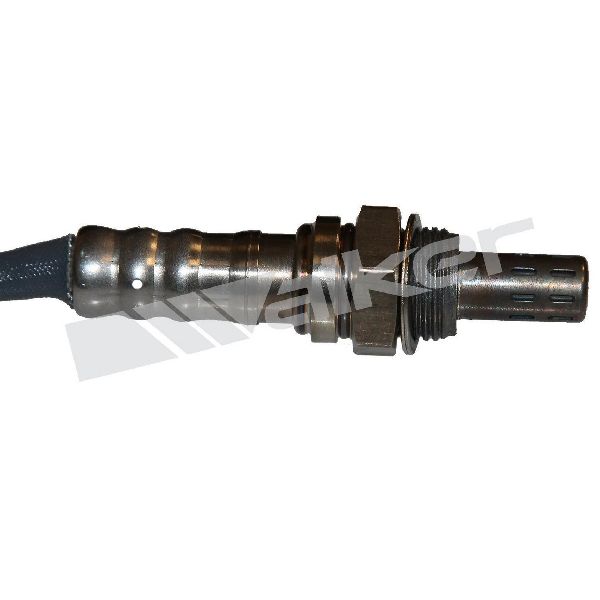
- Walker Products: A well-known name in exhaust and emission components.
- Spectra: Offers a wide range of automotive parts and is a dependable option.
Tier 3: Economy Brands
These are the most affordable options, but quality can be inconsistent. They can be a solution if the budget is extremely tight, but be aware that they may not last as long or perform as accurately as higher-tier brands.
- DriveWire: A budget-friendly brand available from many online retailers.
Pro Tip: Use Direct-Fit Sensors
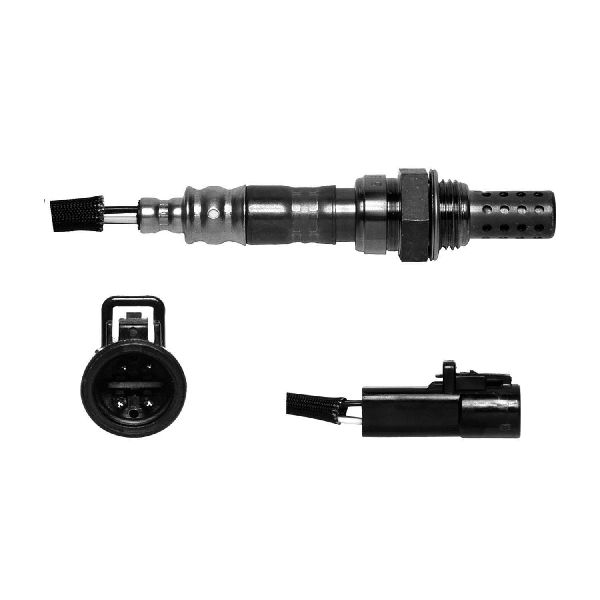
Always choose a "direct-fit" sensor. These come with the correct-length wire and factory-style electrical connector for your Explorer. Avoid "universal" sensors that require you to cut and splice wires. An improper connection can cause signal issues and lead to more Check Engine Lights.
Oxygen Sensor Replacement Cost (1991-1995 Ford Explorer)
The cost can vary depending on the brand you choose and whether you do the work yourself. This job is very DIY-friendly for a home mechanic with basic tools.
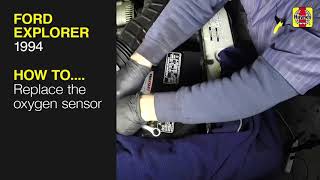
🎬 Watch this step-by-step 1994 Explorer sensor replacement walkthrough.| Part/Service | Estimated Cost |
|---|---|
| New OEM (Motorcraft) Sensor | $80 - $150+ |
| New Aftermarket Sensor | $34 - $73 |
| Shop Labor | $50 - $75 per sensor |
| DIY Total (1 Aftermarket Sensor) | $34 - $73 |
| Shop Total (1 Aftermarket Sensor) | $84 - $148 |
A Note on Rusty Sensors
The biggest challenge in this job is often rust. After decades of heat cycles, the old sensor can seize in the exhaust pipe. Before you start, spray the base of the sensor with a good penetrating oil and let it soak, even overnight if possible. Warming the engine up for a minute can also help expand the metal and make removal easier, but be extremely careful working around a hot exhaust.
Frequently Asked Questions (FAQ)
How many oxygen sensors does my 1991-1995 Explorer have?
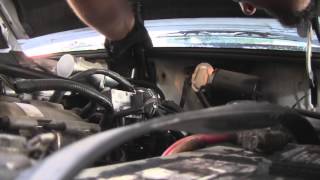
Your Explorer is from the OBD-I era, so it should have two heated oxygen sensors. There is one sensor for each cylinder bank (one on the passenger side, one on the driver side). 🎬 See this video for locating sensors on the 4.0L engine. They are located in the exhaust pipes, between the engine's exhaust manifold and the catalytic converter. Unlike later models, you do not have "downstream" sensors after the converter.
Do I need a special tool to replace an oxygen sensor?
Yes, it is highly recommended. An oxygen sensor socket is a special deep socket with a slot cut down the side for the sensor's wire to pass through. While you might be able to use a standard wrench, the socket gives you a much better grip and reduces the risk of stripping the old, rusty sensor. They are inexpensive to buy or can often be borrowed from auto parts stores.
Should I replace both sensors at the same time?
It's a good idea. Oxygen sensors age and degrade over time. If one has failed, the other is likely not far behind. Replacing them in pairs ensures that both sides of your engine are getting accurate readings for a balanced and efficient operation.
My new sensor came with anti-seize on the threads. Should I use it?
Yes. Most new sensors come with anti-seize compound already applied to the threads. This prevents the sensor from seizing in the exhaust pipe and makes it easier to remove in the future. If your new sensor does not have it, apply a small amount to the threads, being very careful not to get any on the sensor tip itself. Contaminating the tip can ruin the new sensor.
Helpful Videos
Technical Specifications
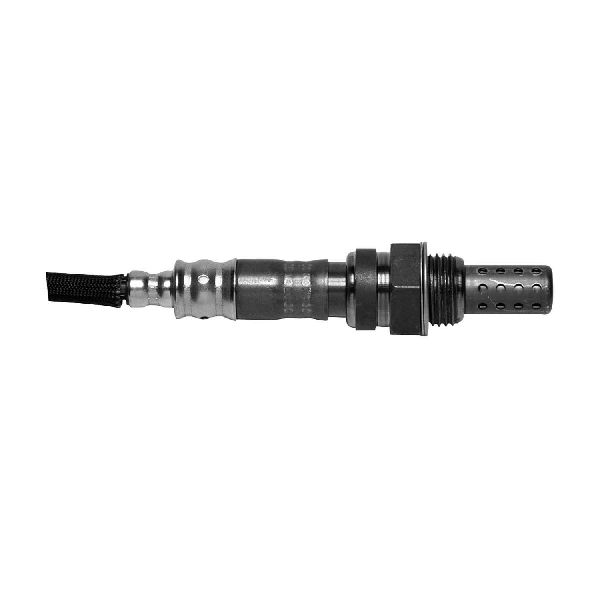
OEM Part Numbers: F1TZ-9F472-A
Heated Oxygen Sensor (HO2S), 4-Wire, Direct-Fit Connector
We Have This Part in Stock

The information in this article is provided for general reference and educational purposes only. Vehicle specifications, procedures, and part compatibility can vary by production date, trim level, and region. Always consult your vehicle's factory service manual and verify part numbers before purchasing or performing repairs. Safety-critical components such as airbags, seat belts, and braking systems should be installed by a qualified professional.
- Ford Explorer:
- 🎬 Helpful Videos
- 🛍️ Shop This Part
- What is an Oxygen Sensor and Why Does it Fail?
- Symptoms of a Bad Oxygen Sensor on a 1991-1995 Explorer
- Choosing the Right Aftermarket Oxygen Sensor
- Tier 1: OEM-Quality Aftermarket
- Tier 2: Standard Aftermarket
- Tier 3: Economy Brands
- Pro Tip: Use Direct-Fit Sensors
- Oxygen Sensor Replacement Cost (1991-1995 Ford Explorer)
- A Note on Rusty Sensors
- Frequently Asked Questions (FAQ)
- 🎟️ Get 5% Off