

Choosing the Right Aftermarket Radiator for Your 1991-1995 Ford Explorer
Keep your first-generation Explorer's 4.0L V6 running cool by understanding your radiator replacement options.
- Radiator failure on a 1991-1995 Explorer is common due to cracked plastic end tanks and seam leaks.
- For most owners, a standard OE-replacement brand like Spectra or APDI offers the best balance of cost and quality.
- While replacing the radiator, it is highly recommended to also replace the radiator cap, thermostat, and coolant hoses to prevent future issues.
- Ensure you purchase the correct radiator for your transmission type (manual or automatic).
Is Your Explorer's Radiator Failing?
For a 1991-1995 Ford Explorer, the radiator is a common failure point due to age. The original radiators often had plastic end tanks crimped to an aluminum core. Over time, the plastic becomes brittle from countless heat cycles and can crack, causing leaks. The seams where the plastic and aluminum meet are also a frequent source of coolant leaks. If you see green or pink fluid under your truck, your engine temperature gauge is climbing higher than normal, or you smell a sweet, syrupy scent after driving, your radiator is likely the culprit.
Don't Ignore Overheating
Driving with a failing radiator can cause serious and expensive engine damage, including a blown head gasket. If your temperature gauge is in the red, pull over immediately and let the engine cool down.
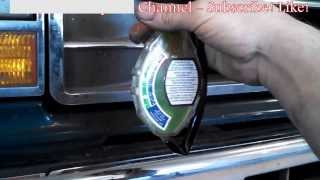
🎬 Learn why incorrect coolant levels might cause your overheating issues.Choosing the Right Aftermarket Radiator
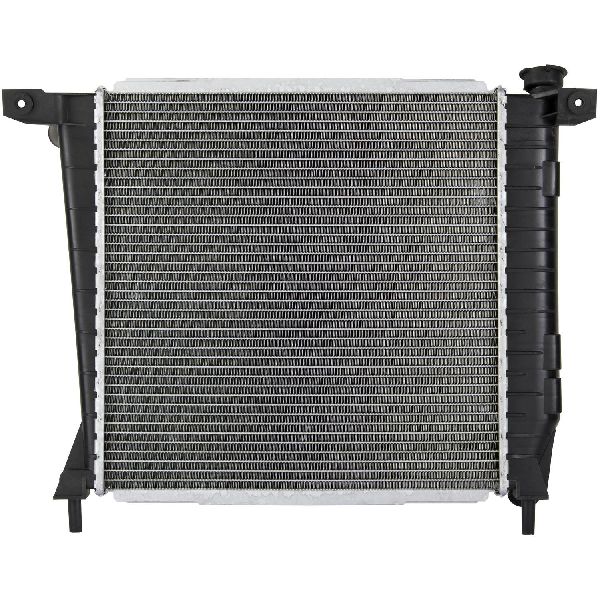
Since Ford no longer produces original radiators for this generation of Explorer, you'll be looking at aftermarket options. The quality and price can vary significantly. Aftermarket radiators for the 1991-1995 Explorer are almost all aluminum core with plastic tanks, similar to the original design. Some owners report minor fitment issues with aftermarket parts, like fan shroud mounting holes being slightly off, which may require small modifications.
Brand Quality Tiers
Not all aftermarket brands are created equal. Here’s a breakdown of what you can expect based on owner experiences and brand reputation.
- Premium (Performance & All-Aluminum): Brands like Mishimoto and Koyorad often offer all-aluminum, fully welded radiators. These eliminate the plastic end tanks that are a common failure point. They provide superior cooling and durability but come at the highest price point. While Mishimoto is a popular American brand, their parts are often made in China, and some users report quality control issues compared to Koyorad, which manufactures in Japan. For most daily-driven Explorers, these are likely overkill but are a great choice for heavy-duty use or maximum peace of mind.
- Standard OE Replacement: This is the sweet spot for most owners. Brands like Spectra, APDI, and ACDelco are well-known for providing quality that meets or exceeds the original factory part. They are a direct fit and offer a good balance of reliability and cost. Many professional shops use these brands for repairs.
- Economy: Brands like Global Parts, One Stop Solutions, and Onix fall into the budget category. While the low price is tempting, quality can be inconsistent. These may be a viable option if you're on a tight budget, but be aware that they may not last as long as a standard or premium brand.
Pro Tip: Replace More Than Just the Radiator
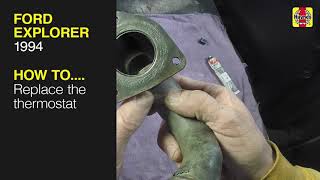
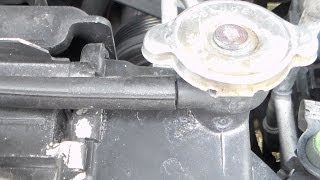
While you're replacing the radiator, it's a smart and inexpensive move to also replace the radiator cap, thermostat, and coolant hoses. 🎬 See how to easily replace the thermostat while you're there. A faulty radiator cap won't hold pressure, lowering the boiling point of your coolant and causing boil-overs. Old hoses can become soft and collapse or brittle and crack, leading to a new leak right after you've fixed the old one.
Known Issues, TSBs, and Recalls
While there are no specific recalls for the radiator on the 1991-1995 Ford Explorer, there are some related service bulletins and common problems.
- TSB 95-9-10: Ford issued a Technical Service Bulletin for coolant loss on the 4.0L engine that could be mistaken for a radiator problem. This issue was often due to a failed intake manifold gasket.
- Heater Core Leaks: It was common for the heater core on these Explorers to leak. Ford's suggested fix was to install a restrictor in the heater inlet hose.
- Fan Clutch: A failing fan clutch can cause overheating, especially at low speeds or idle, which can put extra stress on the radiator.
Cost of Replacing Your Explorer's Radiator
Here is a general idea of what to expect in terms of cost. Labor costs can vary widely based on your location.
| Part/Service | Estimated Cost |
|---|---|
| New Aftermarket Radiator (Part Only) | $35 - $389 |
| Shop Labor | $150 - $300 |
| Total Professional Installation | $185 - $689 |
Frequently Asked Questions
Is replacing the radiator a good DIY job?
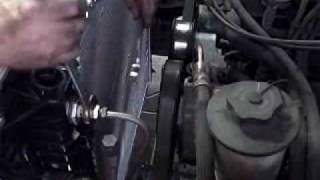
Yes, for someone with basic mechanical skills and tools, replacing the radiator on a 1991-1995 Explorer is very manageable. It involves draining the coolant, disconnecting hoses and transmission cooler lines, removing the fan shroud, and unbolting the radiator. The job typically takes 2-3 hours.
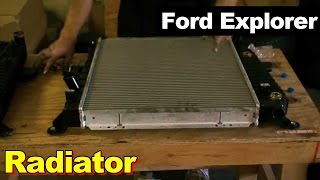
🎬 Watch this step-by-step guide to changing your Explorer's radiator.Do I need a special radiator for an automatic transmission?
Yes. Radiators for automatic transmission Explorers have an integrated transmission fluid cooler. The transmission fluid lines run to fittings on the radiator. Make sure you buy the correct part for your vehicle's transmission type.
Should I buy an all-aluminum radiator?
For most owners, a standard replacement with plastic tanks is sufficient and cost-effective. However, if you use your Explorer for towing, off-roading, or live in a very hot climate, an all-aluminum radiator from a brand like Koyorad can provide extra cooling capacity and durability.
What kind of coolant should I use?
For this generation of Explorer, a conventional green ethylene glycol coolant is the standard recommendation. Always mix it 50/50 with distilled water. Never use tap water, as the minerals can cause deposits and corrosion inside the cooling system.
Helpful Videos
Technical Specifications
OEM Part Numbers: F4TZ8100B
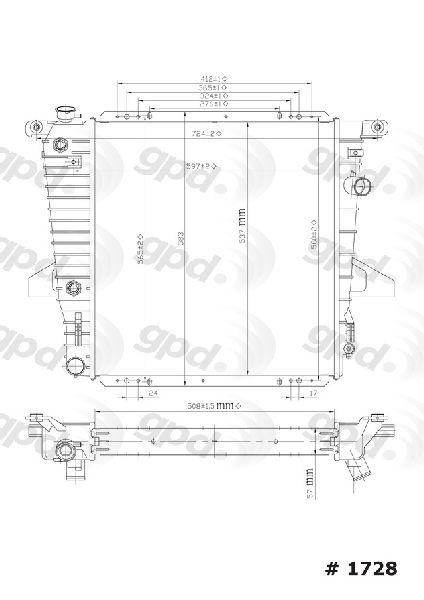
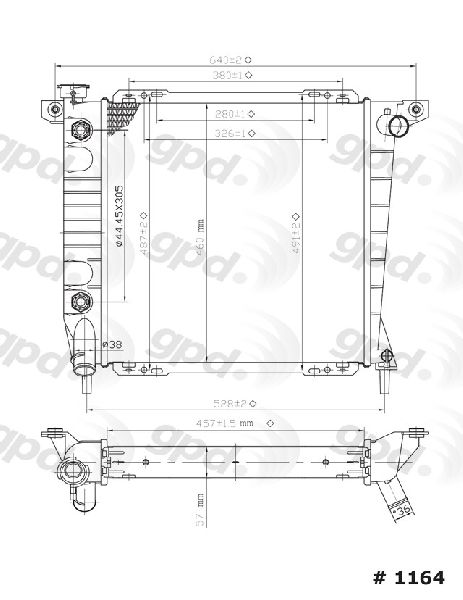
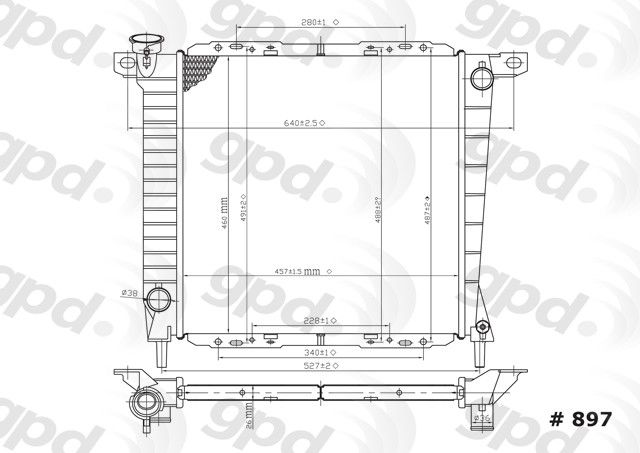
Most aftermarket radiators for the 1991-1995 Ford Explorer with the 4.0L V6 feature a cross-flow design with an aluminum core and plastic side tanks. They include an integrated transmission oil cooler for automatic models. Core dimensions and hose placement are designed to match the original factory equipment.
We Have This Part in Stock


The information in this article is provided for general reference and educational purposes only. Vehicle specifications, procedures, and part compatibility can vary by production date, trim level, and region. Always consult your vehicle's factory service manual and verify part numbers before purchasing or performing repairs. Safety-critical components such as airbags, seat belts, and braking systems should be installed by a qualified professional.
- Ford Explorer:
- 🎬 Helpful Videos
- 🛍️ Shop This Part
- Is Your Explorer's Radiator Failing?
- Don't Ignore Overheating
- Choosing the Right Aftermarket Radiator
- Brand Quality Tiers
- Pro Tip: Replace More Than Just the Radiator
- Known Issues, TSBs, and Recalls
- Cost of Replacing Your Explorer's Radiator
- Frequently Asked Questions
- 🎟️ Get 5% Off