

A Ford Mechanic's Guide to 1991-1995 Explorer Suspension Ball Joints
Everything you need to know before buying front ball joints for your first-generation Ford Explorer.
- The 1991-1995 Explorer's TTB suspension is durable but hard on ball joints; expect them to be a wear item.
- Choose premium aftermarket brands like TRW or Mevotech's TTX line with greasable fittings for the best longevity.
- A complete ball joint failure is extremely dangerous and can cause a wheel to detach from the vehicle.
- This is not a simple bolt-on job; it requires a special ball joint press and a professional wheel alignment afterward.
Is Your Explorer's Front End Making Noise?
The ball joints on the first-generation Ford Explorer are a common wear item. The Twin Traction Beam suspension design, while rugged, puts a lot of stress on these components. When they start to wear out, you'll notice several signs. Ignoring them is not just noisy—it's dangerous. A complete failure can cause the wheel to separate from the suspension, leading to a total loss of control.
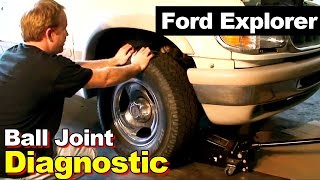
🎬 Watch: How to diagnose worn ball joints on your Explorer.Symptoms of a Bad Ball Joint
- Clunking or Popping Sounds: You may hear a distinct clunking or knocking sound from the front end, especially when going over bumps, dips, or turning. This is the sound of the loose ball stud moving inside the worn-out socket.
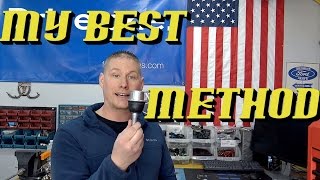
- Wandering Steering: The truck may feel like it's drifting or wandering on the road, requiring constant steering corrections to keep it straight. This looseness is a direct result of play in the joints. 🎬 Watch: A Ford technician shows you how to check for play.
- Vibrations: A worn ball joint can cause vibrations that you feel through the steering wheel or the floor. This often gets worse as the vehicle's speed increases.
- Uneven Tire Wear: Look at your front tires. If the inside or outside edges are wearing down faster than the center, it's a classic sign that bad ball joints are throwing off your alignment.
Known Issues, Recalls, and TSBs
There are no major safety recalls or Technical Service Bulletins (TSBs) from Ford or the NHTSA specifically for front suspension ball joints on the 1991-1995 Ford Explorer. However, the TTB suspension design itself is known for being tough on ball joints and requiring regular inspection.
Choosing the Right Aftermarket Ball Joint
The original Motorcraft ball joints were non-greasable and can last a long time, but when it's time for a replacement, you have many aftermarket options. They generally fall into three quality tiers.
Tier 1: Premium & Heavy-Duty Brands
These are your best bet for longevity and durability, especially if you use your Explorer for off-roading or heavy work. They often feature improvements over the original design.
- TRW: Often an OEM supplier for many manufacturers, TRW has a strong reputation for quality that meets or exceeds original parts.
- Mevotech (Supreme/TTX lines): Mevotech's premium lines are specifically engineered for trucks and SUVs, featuring stronger materials and often including grease fittings for longer service life.
- Motorcraft: This is Ford's own brand. It provides a direct OEM-quality replacement and is a safe choice for fit and performance, though it may lack the serviceability of some aftermarket options.
Pro Tip: Greasable vs. Sealed Joints
Many premium aftermarket ball joints are "greasable," meaning they have a zerk fitting that allows you to add fresh grease periodically. This pushes out old grease, dirt, and water, which can significantly extend the part's life. The original factory parts are typically "sealed for life" and require no maintenance, but they must be replaced when the internal grease breaks down.
Tier 2: Standard & Mid-Grade Brands
These brands offer a good balance of price and quality for daily driving. They are a solid choice for a stock vehicle that sees normal use.
- Moog: Once the undisputed king of aftermarket suspension parts, Moog's quality has become inconsistent in recent years according to many mechanics and owners. While their "Problem Solver" line can be good, it's no longer a guaranteed top-tier part.
- Delphi: Another major OEM supplier, Delphi parts are generally considered reliable and a solid mid-grade choice.
- Centric: Known primarily for brake components, Centric also offers a full line of suspension parts that are a dependable alternative to store brands.
Tier 3: Economy Brands
These are the most budget-friendly options. While they will get your truck back on the road, their lifespan may be significantly shorter, especially on a hard-working TTB suspension.
- Dorman
- QuickSteer
- ACDelco (Advantage/Professional lines may vary)
- Store brands (e.g., Detroit Axle, house brands)
What Does a Ball Joint Replacement Cost?
Replacing ball joints on a TTB Ford Explorer is a labor-intensive job. You'll need special tools, and an alignment is mandatory afterward. Prices below are estimates for replacing both upper and lower ball joints on one side of the vehicle.
| Component/Service | Estimated Cost |
|---|---|
| Aftermarket Ball Joints (Upper & Lower Pair) | $40 - $140 |
| Shop Labor & Supplies | $450 - $750 |
| Wheel Alignment (Required) | $100 - $180 |
| Estimated Total (Professional) | $590 - $1,070 |
Frequently Asked Questions
Do I need special tools to replace these ball joints?
Yes. These are press-in ball joints, and you will need a heavy-duty ball joint press (C-clamp style press) to remove the old ones and install the new ones without damaging the axle beam or the new joint. Attempting the job without one is not recommended.
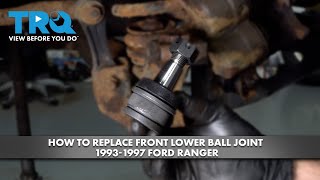
🎬 See this walkthrough for replacing both upper and lower joints.If one ball joint is bad, should I replace all of them?
It is highly recommended. Ball joints on both sides of the vehicle experience the same amount of wear. If one has failed, the others are likely not far behind. Replacing them all at once saves you money on labor and avoids needing another alignment in the near future.
Why is an alignment so important after this job?
Replacing the ball joints directly affects the angles of your wheels (camber, caster, and toe). Driving without a proper alignment will cause poor handling, unsafe driving characteristics, and will quickly destroy your tires.
What's the difference between the upper and lower ball joints on my Explorer?
The lower ball joint is the primary load-carrying joint in the TTB suspension, while the upper joint is a follower joint. They are different parts with different part numbers and must be ordered correctly for their specific position.
Helpful Videos
Technical Specifications
OEM Part Numbers: F0TZ-3050-A F0TZ-3049-A EOTZ-3050-A EOTZ-3049-A
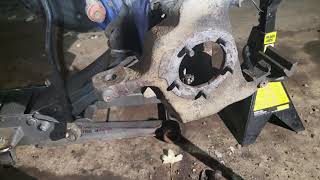
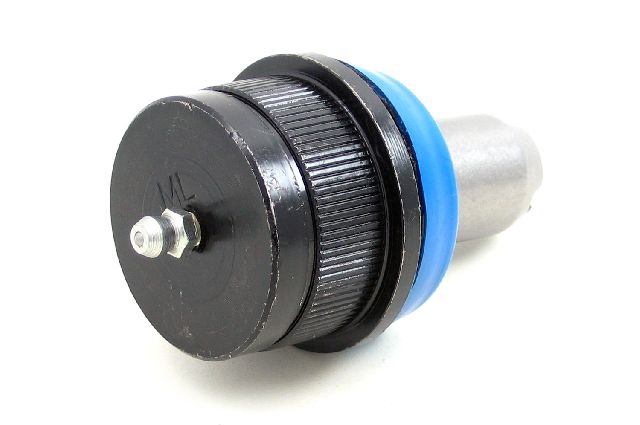
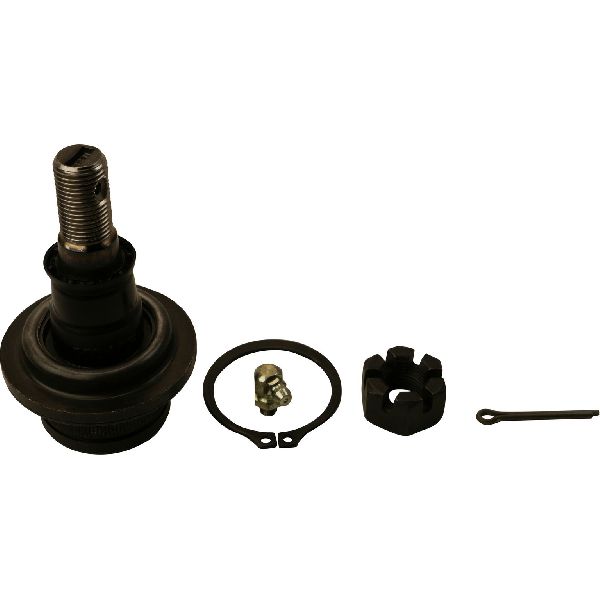
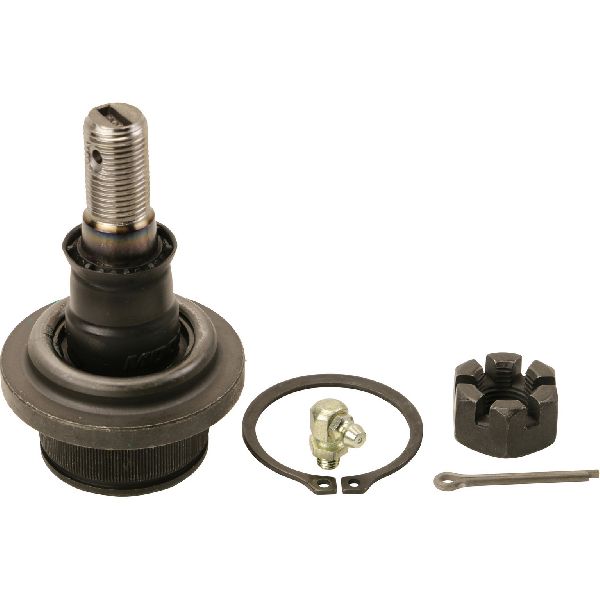
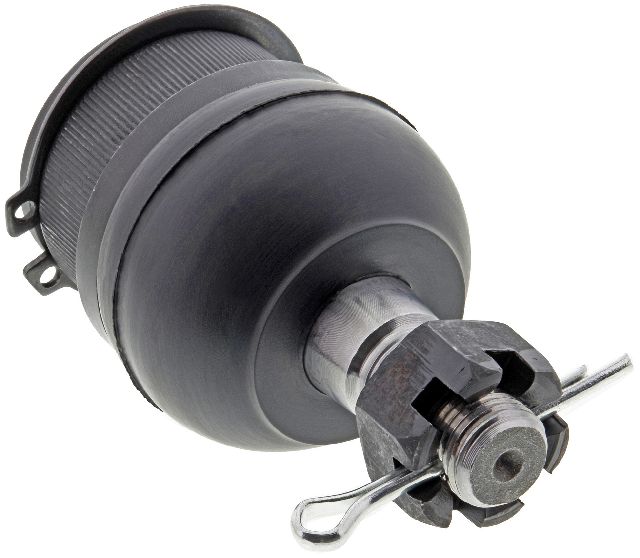
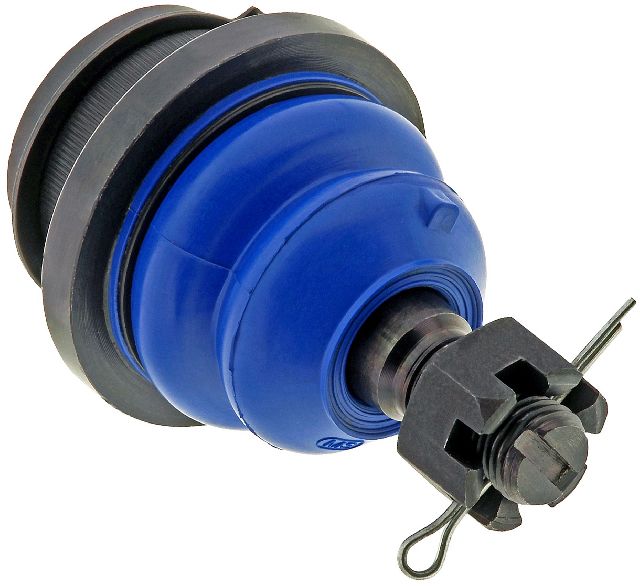
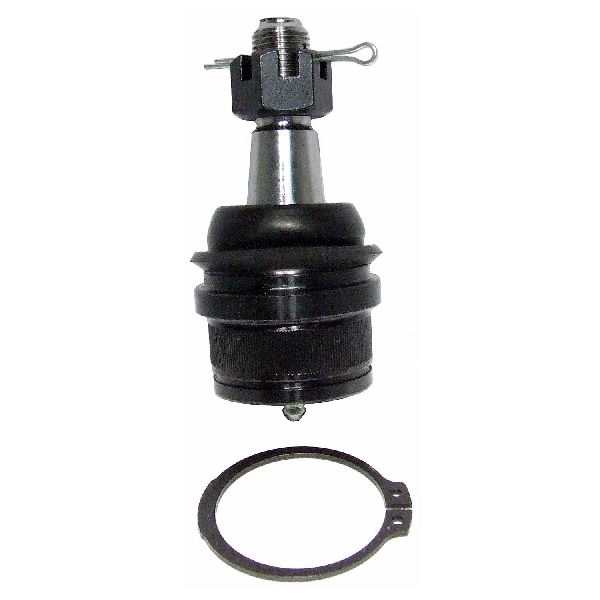
The front suspension on 1991-1995 Ford Explorers uses one upper and one lower ball joint per side. The ball joints are a press-in style and are specific to the upper or lower position. 4WD models use a Twin Traction Beam (TTB) Dana 35 axle, while 2WD models use a Twin I-Beam front end.
We Have This Part in Stock

The information in this article is provided for general reference and educational purposes only. Vehicle specifications, procedures, and part compatibility can vary by production date, trim level, and region. Always consult your vehicle's factory service manual and verify part numbers before purchasing or performing repairs. Safety-critical components such as airbags, seat belts, and braking systems should be installed by a qualified professional.
- Ford Explorer:
- 🎬 Helpful Videos
- 🛍️ Shop This Part
- Is Your Explorer's Front End Making Noise?
- Symptoms of a Bad Ball Joint
- Known Issues, Recalls, and TSBs
- Choosing the Right Aftermarket Ball Joint
- Tier 1: Premium & Heavy-Duty Brands
- Pro Tip: Greasable vs. Sealed Joints
- Tier 2: Standard & Mid-Grade Brands
- Tier 3: Economy Brands
- What Does a Ball Joint Replacement Cost?
- Frequently Asked Questions
- 🎟️ Get 5% Off