

Ignition Coil and Coil Pack Guide for the 1991-1995 Ford Mustang
Keep your Fox Body or SN95 Mustang's spark strong by choosing the right ignition coil.
- First, identify your engine: 5.0L V8s use a single coil, while 2.3L I4 and 3.8L V6s use a coil pack.
- A standard aftermarket brand like Denso is a reliable choice for a stock engine; no need for a high-performance coil unless your car is heavily modified.
- Replacement is an easy DIY job that takes less than an hour with basic tools.
- Consider replacing spark plugs and wires at the same time for a complete ignition system refresh.
Understanding Your 1991-1995 Mustang's Ignition System
Before buying a replacement part, you need to know which ignition system your Mustang has. Ford used two different types during this period, and ordering the wrong one is a common mistake. It all depends on the engine in your car.
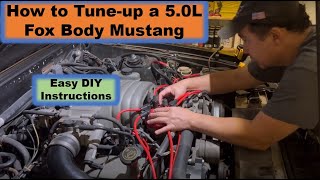
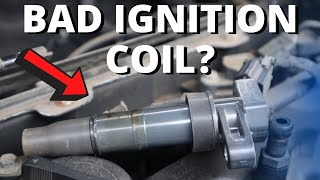
- 1991-1995 5.0L V8: These models, including the Fox Body and early SN95 GT, use a single, remote-mounted ignition coil. This coil sends high voltage to a distributor, which then directs the spark to the correct cylinder through spark plug wires. This is a classic, straightforward setup. 🎬 Watch this guide to test if your 5.0L coil is failing.
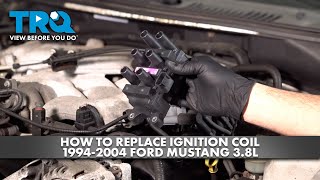
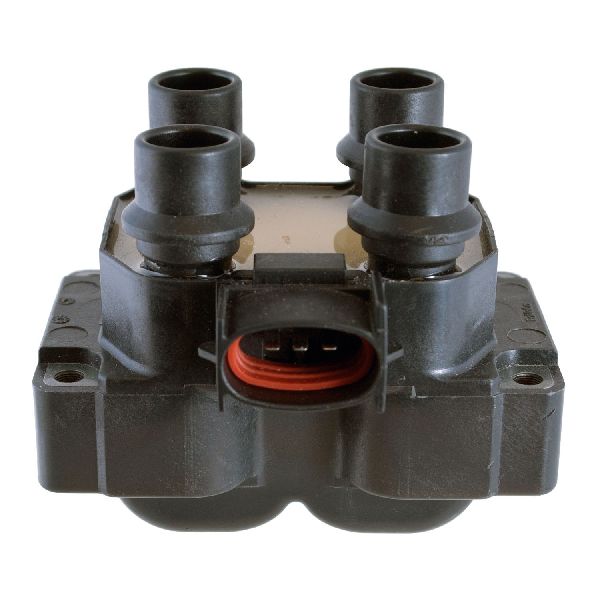
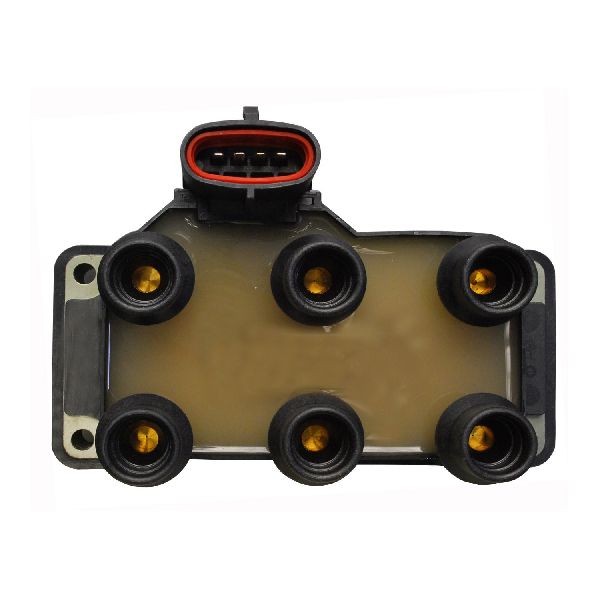
- 1991-1993 2.3L I4 & 1994-1995 3.8L V6: These engines use a more modern distributorless ignition system (EDIS). Instead of a single coil and distributor, they have an integrated ignition coil pack. This pack houses multiple coils that send spark directly to the spark plugs via wires. If one coil inside the pack fails, the entire unit must be replaced. 🎬 See how to replace the coil pack on a 3.8L engine.
Symptoms of a Failing Ignition Coil or Coil Pack
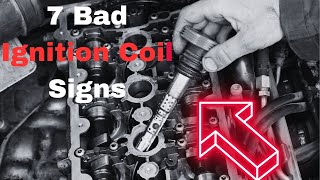
When an ignition coil starts to fail, it can cause noticeable problems with how your engine runs. Because the coil is responsible for creating the spark for combustion, a weak or dead coil will disrupt this process. Watch out for these common signs:
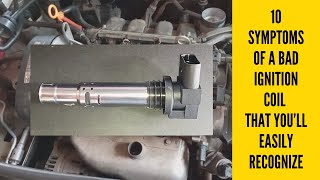
🎬 Watch a breakdown of common symptoms you can easily recognize.- Engine Misfires: The engine may sputter, jerk, or hesitate, especially during acceleration. This is the most common symptom.
- Rough Idle: The engine may shake or run unevenly when the car is stopped.
- Check Engine Light: A failing coil can trigger the check engine light. Codes related to engine misfires (like P0300-P0308) or specific ignition coil circuits (P0350-P0362) may be stored.
- Hard Starting or No Start: A weak coil can make it difficult to start the engine, while a completely failed coil will prevent it from starting at all.
- Reduced Power and Fuel Economy: When your engine isn't running efficiently due to poor spark, you'll notice a drop in power and get worse gas mileage.
Choosing the Right Aftermarket Ignition Coil
For a stock or lightly modified Mustang, a standard replacement aftermarket coil is usually a great choice. Brands like Denso, Delphi, and Standard Motor Products (SMP) offer reliable, OEM-quality parts that meet or exceed factory specifications. There is no need to spend extra on a high-performance coil for a daily driver, as you won't see a noticeable benefit.
If your engine is heavily modified with upgrades like a turbo, supercharger, or aggressive tuning, a high-performance or "hotter" coil from a brand like MSD or Accel can be beneficial. These coils provide a stronger spark to ensure complete combustion under high-performance conditions.
Estimated Replacement Costs
Replacing an ignition coil or coil pack on a 1991-1995 Mustang is a relatively affordable repair. The parts themselves are not overly expensive, and the labor is straightforward.
| Part / Service | Estimated Cost |
|---|---|
| New OEM (Motorcraft) | $45 - $75 |
| New Aftermarket (Denso, etc.) | $94.31 - $121.27 |
| Used OEM | $25 - $50 |
| Shop Labor | $50 - $150 |
Frequently Asked Questions
Is this a difficult part to replace myself?
No, this is a great DIY job for beginners. On 5.0L V8 models, the coil is usually mounted on the strut tower and held by a few small bolts. For the V6 and I4 engines, the coil pack is also easily accessible on the engine. The job typically requires only basic hand tools and can be completed in under an hour.
What is the difference between an ignition coil and a coil pack?
An ignition coil is a single unit that provides spark for all cylinders via a distributor, which is what the 5.0L V8 engine uses. A coil pack is an assembly of multiple coils in one housing that sends spark directly to the plugs, eliminating the distributor. This is the system used in the V6 and I4 engines of this era.
Were there any recalls for the ignition system on these Mustangs?
Yes, there was a major recall issued in 1996 (NHTSA Campaign #96V071000) that affected millions of Ford vehicles, including the 1991 Mustang. The recall was for a potential internal short circuit in the ignition switch, which could cause a fire. While not a recall on the coil itself, it's an important part of the ignition system's history for this vehicle. Always check for open recalls on your specific vehicle.
Should I replace my spark plugs and wires at the same time?
Yes, it is highly recommended. The ignition coil, spark plug wires, and spark plugs all work together. If you are replacing a worn-out coil, it's very likely the plugs and wires have seen similar wear. Replacing all components at once ensures a complete and reliable ignition system tune-up.
Helpful Videos

Technical Specifications
OEM Part Numbers: DG470 FD487 FD488T
V8 models use a single TFI-style E-core coil. V6 and I4 models use a waste-spark coil pack.
We Have This Part in Stock

The information in this article is provided for general reference and educational purposes only. Vehicle specifications, procedures, and part compatibility can vary by production date, trim level, and region. Always consult your vehicle's factory service manual and verify part numbers before purchasing or performing repairs. Safety-critical components such as airbags, seat belts, and braking systems should be installed by a qualified professional.
- Ford Mustang: