

Hyundai Scoupe Spark Plug Replacement Guide (1991-1995)
Keep your Scoupe's unique engine running strong with the right set of new spark plugs.
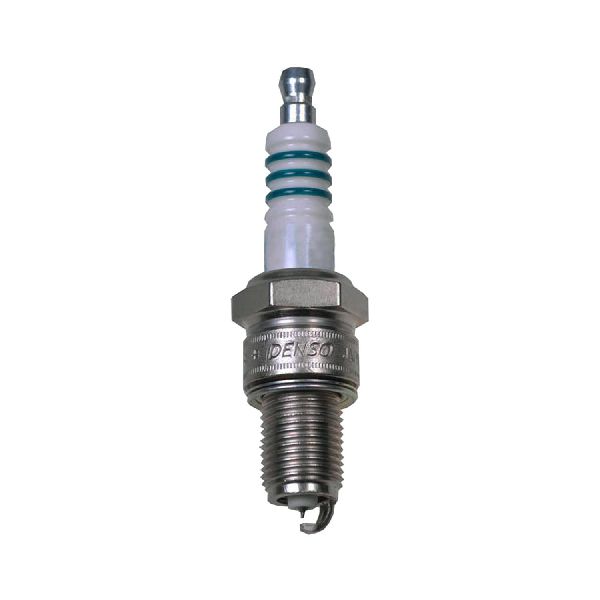
- Use NGK or Denso branded plugs for the best OEM-level quality and reliability in your Scoupe.
- Verify if your Scoupe has the naturally aspirated or turbo engine, as they require spark plugs with different heat ranges and gap sizes.
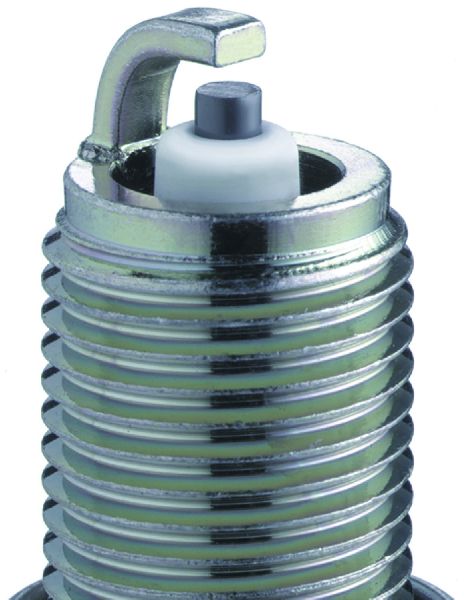
- Do not attempt to gap modern Iridium or Platinum spark plugs; buy the correct part number that is pre-gapped for your engine.
- Replacing spark plugs is a simple, affordable maintenance task that can significantly improve your engine's performance, starting, and fuel economy.
Signs of Failing Spark Plugs in Your Scoupe
When your Scoupe's spark plugs are wearing out, your car will give you several signs. Ignoring them can lead to bigger problems, so it's best to act when you notice these symptoms.
- Rough Idle: Your engine might sound uneven or shaky when you're stopped. You may also feel more vibration than usual.
- Trouble Starting: A weak spark makes it harder for the engine to turn over, especially on cold mornings. You might find yourself cranking the engine longer than normal.
- Poor Acceleration: If your Scoupe feels sluggish or hesitant when you press the gas, it could be due to ineffective sparks.
- Reduced Fuel Economy: Inefficient combustion means you're burning more fuel for the same amount of power. If you're filling up more often, bad plugs could be the reason.
- Engine Misfires: You might feel a jerking or stumbling from the engine while driving. This happens when a cylinder fails to fire correctly due to a bad plug.
Choosing the Right Aftermarket Spark Plugs
For a 1991-1995 Hyundai Scoupe, the original engines were reliable Mitsubishi-derived or Hyundai's own 'Alpha' series units. These engines are not overly complex, and many aftermarket spark plugs will perform well. You don't necessarily need to pay for expensive OEM (Original Equipment Manufacturer) parts, as quality aftermarket brands often meet or exceed original specifications. The most important factors are choosing the correct heat range and gap size for your specific engine (naturally aspirated or turbo).
Brand Tiers for Your Hyundai Scoupe
| Tier | Brands | Description & Quality Assessment |
|---|---|---|
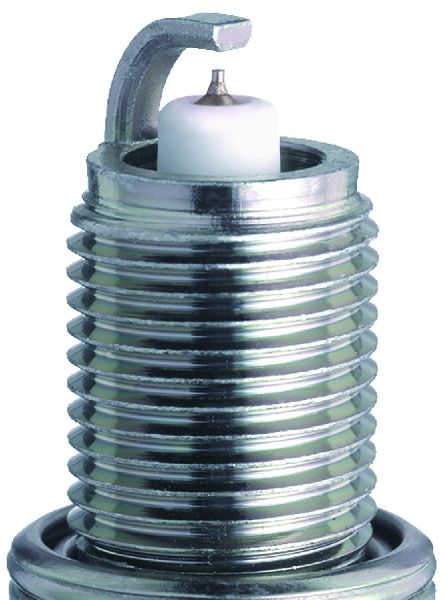
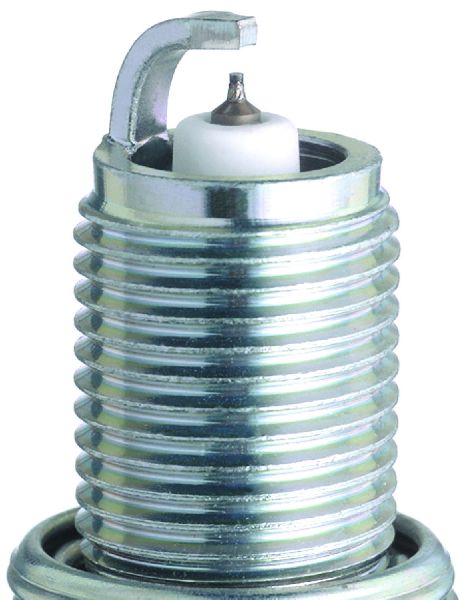
| Top Tier (OEM Quality & Better) | NGK, Denso | NGK and Denso are often the original equipment suppliers for Japanese and Korean vehicles and are widely considered the best choice. They offer excellent reliability, longevity, and performance. Iridium options from these brands, like the NGK BKR5EIX-11 or BKR6EIX (for turbo), provide a long service life and a strong, consistent spark. |
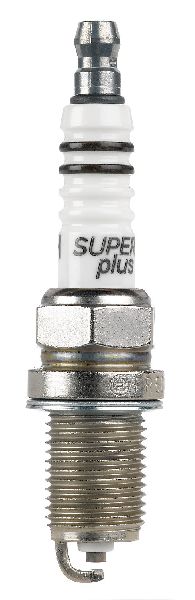
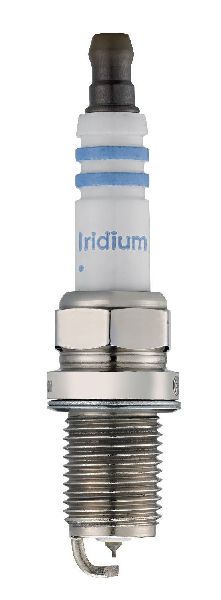
| Mid-Tier (Reliable & Reputable) | Bosch, Autolite, Champion | These are well-known American and European brands that offer a great balance of price and quality. Bosch Double Platinum or Iridium plugs are a solid upgrade over standard copper. Autolite and Champion have been making plugs for decades and offer reliable, affordable options that work well in engines like the Scoupe's. |
| Performance-Focused | MSD | MSD specializes in high-performance ignition systems. Their spark plugs are generally intended for modified or racing engines. For a stock or lightly modified Scoupe, these are likely unnecessary and may not provide any noticeable benefit over a top-tier plug. |
| Economy / Budget | Skyward | Lesser-known or store-brand plugs fall into this category. While they are the most affordable, their quality, material composition, and lifespan can be inconsistent. For a critical component like a spark plug, it's generally recommended to stick with a more reputable brand to avoid potential issues like premature fouling or misfires. |
A Note on Iridium Plugs and Gapping
Modern iridium and platinum spark plugs typically come pre-gapped from the factory. It is highly recommended not to adjust the gap on these plugs yourself. The fine tips are delicate and can be easily damaged, which will ruin the plug. Always verify the part number is correct for your Scoupe's engine (Base or Turbo) to ensure the pre-set gap is correct.
Known Issues, Recalls, and Service Bulletins
The Hyundai Scoupe is a relatively old vehicle, and there are no active recalls or technical service bulletins (TSBs) specifically related to spark plugs. Searches on the National Highway Traffic Safety Administration (NHTSA) database show recalls for newer Hyundai models for various issues, but none that apply to spark plug failure on the 1991-1995 Scoupe. The most common issues reported by owners for this car are related to finding replacement parts in general, potential electrical gremlins, and rust, which are typical for cars of this age. There are five TSBs on record for the Scoupe, but none are related to the ignition system.
Frequently Asked Questions (FAQ)
How often should I change the spark plugs on my Scoupe?
The replacement interval depends on the type of spark plug. Standard copper plugs, like what the car likely came with, should be changed every 30,000 miles. If you upgrade to longer-lasting iridium or platinum plugs, you can extend that interval to 60,000-100,000 miles. Given the car's age, a visual inspection during every other oil change is a good practice.
What is the correct spark plug gap for my Hyundai Scoupe?
The correct gap depends on your engine. For the naturally aspirated 1.5L engine, the gap is typically around 0.039-0.043 inches. For the 1.5L Turbo engine, it is smaller, around 0.027-0.035 inches. Always confirm the specification for the exact plug you are installing, as pre-gapped plugs should not be adjusted.
Should I use anti-seize on the new spark plug threads?
This is a debated topic. Major brands like NGK coat their plugs with a material that acts as an anti-seize and prevents corrosion. They specifically recommend NOT using additional anti-seize compound, as it can act as a lubricant and cause you to over-torque the plug, potentially damaging the threads in the cylinder head. If you use a brand that does not have this coating, a very small amount of anti-seize can be used, but be careful not to over-tighten.
Do I need a special tool to change my spark plugs?
Yes, you will need a socket wrench with an extension and a dedicated spark plug socket. 🎬 Watch this step-by-step guide on how to change your Scoupe's spark plugs. A spark plug socket has a rubber insert that grips the plug, making it easier to remove and install without dropping and damaging it. You may also want a torque wrench to tighten the new plugs to the manufacturer's specification, which is the proper way to do it.
Helpful Videos

Technical Specifications
OEM Part Numbers: 18811-11061 18822-11091 18814-11051 18823-11101
Engine: 1.5L SOHC 4-Cylinder (Naturally Aspirated or Turbocharged). Spark Plug Gap (NA): ~0.039-0.043 in. Spark Plug Gap (Turbo): ~0.027-0.035 in. Socket Size: 13/16 inch or 5/8 inch depending on plug brand.
We Have This Part in Stock

The information in this article is provided for general reference and educational purposes only. Vehicle specifications, procedures, and part compatibility can vary by production date, trim level, and region. Always consult your vehicle's factory service manual and verify part numbers before purchasing or performing repairs. Safety-critical components such as airbags, seat belts, and braking systems should be installed by a qualified professional.
- Hyundai Scoupe: