

Toyota 4Runner Vehicle Speed Sensor Guide (1991-1995)
Fix your erratic speedometer and poor shifting by understanding the Vehicle Speed Sensor in your 2nd Gen 4Runner.
- A bad VSS causes more than just a faulty speedometer; it can lead to serious transmission shifting problems.
- First, confirm if your 4Runner uses an electronic sensor or a mechanical cable for the speedometer, as both can fail.
- Symptoms include an erratic speedometer, harsh shifting (automatics), and non-working cruise control.
- For a reliable repair, consider trusted aftermarket brands like Standard Ignition or DENSO over the cheapest options.
Is Your 4Runner's Speedometer Acting Up?
If you own a 2nd Generation Toyota 4Runner, you know how reliable they are. But as these trucks age, some electronic parts start to fail. A common issue is a faulty Vehicle Speed Sensor (VSS). When this sensor goes bad, it can cause more than just an incorrect speedometer reading. Understanding the symptoms can help you diagnose the problem quickly.
🎬 Watch this guide on testing for a failed speed sensor.Top 5 Symptoms of a Bad VSS
- Erratic or Dead Speedometer: The most obvious sign is a speedometer that bounces around, reads incorrectly, or doesn't move at all. The odometer may also stop working.
- Harsh or Incorrect Automatic Shifting: The transmission relies on the VSS to know when to shift. A bad signal can cause delayed, hard shifts or cause the transmission to feel like it's hunting for the right gear.
- Cruise Control Not Working: If the cruise control system doesn't know how fast the vehicle is going, it won't engage or will shut off unexpectedly.
- Check Engine Light: A failing VSS can trigger the Check Engine Light. For this generation of 4Runner, this may show up as OBD-I Code 42. 🎬 Learn how to troubleshoot speed sensor codes on your 4Runner.
- Reduced Power or Hesitation: In some cases, the engine's computer may limit power if it receives an unreliable speed signal, leading to sluggish acceleration.
A Note on Speedometer Cables
Some 1991-1995 4Runner models use a mechanical speedometer cable that runs from the transfer case to the instrument cluster. This cable can break or the gears can strip, causing the speedometer to fail. It's important to check if your issue is the electronic sensor or the mechanical cable before ordering parts. A common sign of a cable issue is a bouncing speedometer needle at low speeds.
Choosing the Right Aftermarket Speed Sensor
When replacing your VSS, you'll find options from the Original Equipment Manufacturer (OEM) and various aftermarket brands. For a vehicle of this age, a quality aftermarket part can offer a great balance of price and performance.
| Tier | Brands | Quality & Price Assessment |
|---|---|---|
| Tier 1: Trusted Aftermarket | Standard Ignition (SMP), DENSO | These brands are well-regarded in the industry for producing parts that meet or exceed OEM specifications. They are a reliable choice for durability and accurate performance, often considered the best option after the OEM part. |
| Tier 2: Mid-Range Options | Vemo | Vemo is a German brand often associated with European vehicles but offers parts for many models. Quality can be good, but some forum users note that quality can vary depending on the specific part and where it was manufactured. |
| Tier 3: Economy | URO Parts, Global Parts, unbranded eBay/Amazon sellers | These brands provide the most budget-friendly options. URO Parts is known as an economy brand that can be a cost-effective solution, though long-term reliability can be a concern for some users. Unbranded sensors are a gamble; they might work fine or fail quickly. For a critical sensor like the VSS, it's often worth spending a bit more for a trusted brand. |
Pro Tip: Before you replace the sensor, check the wiring and connector first. A loose connection or corroded wire can cause the same symptoms as a failed sensor and is a much cheaper fix.
Frequently Asked Questions (FAQ)
Where is the Vehicle Speed Sensor located on a 1991-1995 4Runner?
The VSS is typically located on the transfer case or the transmission housing. It's usually held in by a single bolt and has an electrical connector attached. On models with a speedometer cable, the sensor or cable attaches to the output shaft housing.
Can I replace the VSS myself?
Yes, this is a DIY-friendly job for most home mechanics. It usually requires basic hand tools to remove one bolt and disconnect the electrical plug. Access can sometimes be tight, so you may need to raise the vehicle for better access. The estimated time is under an hour.
What is the difference between a Vehicle Speed Sensor and an ABS Wheel Speed Sensor?
The main Vehicle Speed Sensor (VSS) measures speed from the transmission or transfer case for the speedometer, cruise control, and engine control. ABS wheel speed sensors are located at each wheel and monitor individual wheel speeds specifically for the Anti-lock Brake System (ABS) and traction control. A bad VSS typically won't cause an ABS light, and a bad ABS sensor won't cause the speedometer to fail.
Are there any recalls for the VSS on this 4Runner?
There are no specific recalls issued by the NHTSA for the vehicle speed sensor on the 1991-1995 Toyota 4Runner. Recalls for this vehicle generation were related to items like the steering relay rod and head gaskets on V6 models.
Helpful Videos

Technical Specifications
OEM Part Numbers: 83181-35070 83181-35080 83181-12020 83181-35051
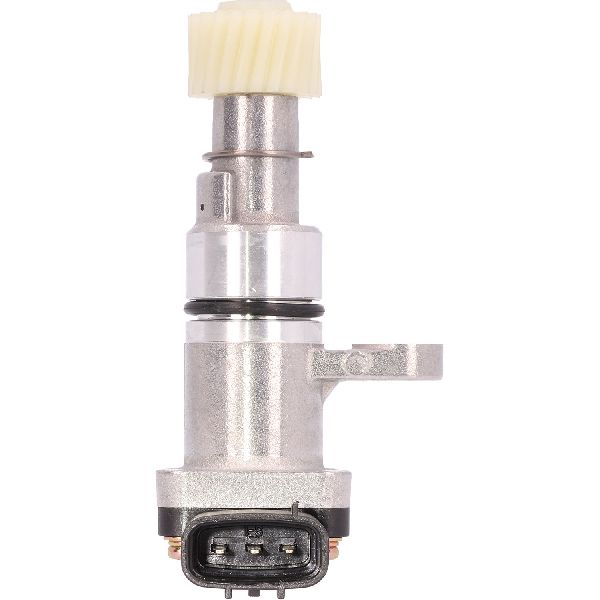
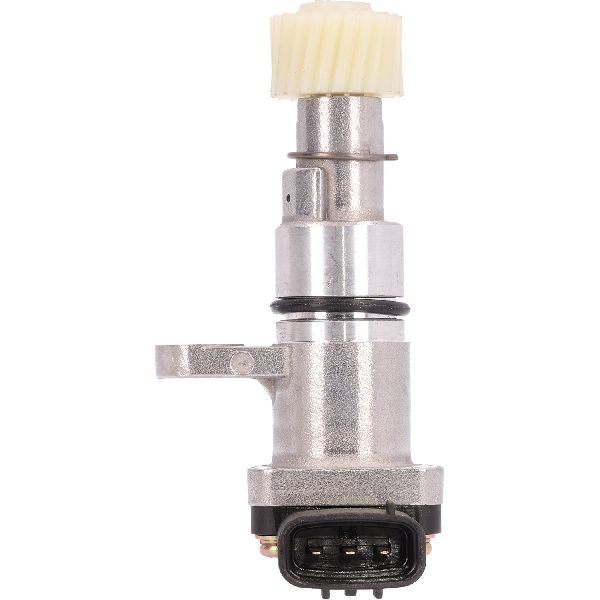
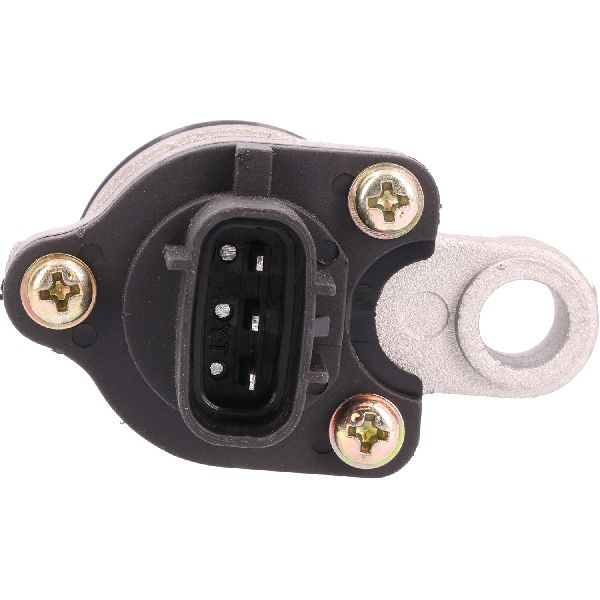
The VSS for the 1991-1995 4Runner is typically a single-bolt mount sensor located on the transmission or transfer case. It may drive the speedometer directly or work in conjunction with a mechanical cable in some configurations. It provides a signal used by the speedometer, odometer, cruise control, and transmission control module.
We Have This Part in Stock


The information in this article is provided for general reference and educational purposes only. Vehicle specifications, procedures, and part compatibility can vary by production date, trim level, and region. Always consult your vehicle's factory service manual and verify part numbers before purchasing or performing repairs. Safety-critical components such as airbags, seat belts, and braking systems should be installed by a qualified professional.
- Toyota 4Runner: