

Choosing the Right Aftermarket Brake Pads for Your 1991-1996 Buick Roadmaster
Stop the guesswork and find the perfect disc brake pads to bring your classic B-body to a safe, quiet halt.
- Confirm your model year, as 1994-1996 Roadmasters have larger front brakes than 1991-1993 models.
- For most owners, a quality ceramic pad from brands like Bosch, ACDelco, or Wagner offers the best mix of quiet performance and low dust.
- If you have a heavy wagon or tow, consider a performance or heavy-duty pad from PowerStop or Hawk for superior stopping power.
- Always plan to replace or resurface your brake rotors when installing new pads for the best performance and safety.
Signs Your Roadmaster's Brake Pads Are Worn Out
Worn brake pads can't create the friction needed to stop your heavy Roadmaster safely. Ignoring the signs can lead to more expensive repairs, like needing to replace the brake rotors. Watch for these common symptoms:
- Squealing or Screeching Noises: Most brake pads have a small metal tab called a wear indicator. When the pads get thin, this tab scrapes against the rotor, making a high-pitched squeal when you brake. This is your first warning that it's time for a replacement.
- Grinding Sounds: If you hear a harsh grinding noise, it means the pad material is completely gone. The metal backing plate of the pad is now grinding against the rotor, causing serious damage. Stop driving immediately and have the brakes inspected.
- Longer Stopping Distances: If you notice your car takes longer to stop than it used to, your brake pads are likely worn and can't provide adequate stopping power.
- Vibrations or Pulsing: A pulsing sensation in the brake pedal or steering wheel when you brake can indicate warped rotors, which are often caused by worn-out pads creating excessive heat.
A Key Difference: 1991-1993 vs. 1994-1996 Models
It's important to know that GM upgraded the Roadmaster's powertrain and brakes for the 1994 model year. The 1994-1996 models, equipped with the powerful LT1 V8 engine, received larger, more effective front brakes to handle the increased power. While many parts are similar, you must ensure you are buying pads specified for your exact year to guarantee a proper fit.
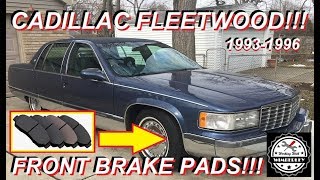
🎬 Learn how to install new pads on 1994-1996 models.Choosing the Right Aftermarket Brake Pads
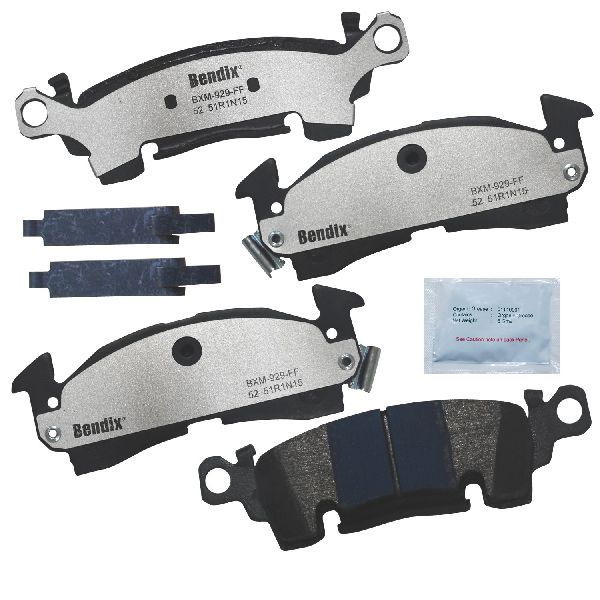
With original GM pads likely discontinued or hard to find, the aftermarket is your best source. The key is to choose a pad that matches your driving style and budget. Pads are generally made of two material types: ceramic and semi-metallic.
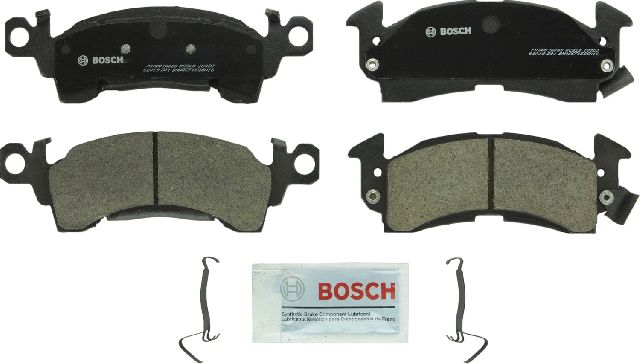
🎬 See a quick comparison of different brake pad materials.- Ceramic Pads: These are a great choice for most Roadmaster owners. They are known for being quiet, producing very little brake dust, and being gentle on rotors. Brands like Bosch QuietCast and some ACDelco Professional Gold versions are popular ceramic options.
- Semi-Metallic Pads: These pads contain metal fibers and offer excellent stopping power, especially when hot. They are durable and often more affordable. However, they can be noisier and create more brake dust than ceramic pads. Brands like Wagner and Raybestos offer quality semi-metallic options.
Brand Tiers for Your Roadmaster
Here’s how some of the available brands stack up for your vehicle:
Daily Driver / OEM-Quality Brands: These brands offer a great balance of performance, low noise, and value for everyday driving. They are the most popular choice for Roadmaster owners.
- ACDelco (Gold/Professional): As GM's own parts brand, their premium aftermarket line is a reliable, factory-quality choice.
- Bosch (QuietCast): Highly regarded for being exceptionally quiet and producing low dust, making them a popular ceramic choice.
- Raybestos (Element3): A well-respected brand offering enhanced hybrid-technology pads that combine the best attributes of ceramic and semi-metallic materials.
- Wagner (OEX/ThermoQuiet): A long-standing, trusted name in brakes, offering durable and quiet pads suitable for the Roadmaster's weight.
Performance & Heavy-Duty Brands: If you have a Roadmaster Wagon, frequently carry heavy loads, tow a trailer, or simply want more aggressive stopping power for your LT1-equipped sedan, consider these brands.
- Hawk Performance: A favorite among enthusiasts, offering pads with a strong bite and high-performance capabilities, though they may produce more dust and noise.
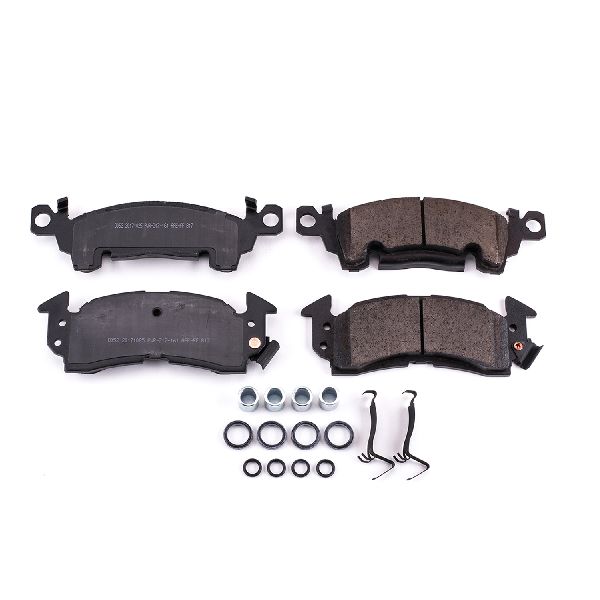
- PowerStop (Z23, Z26, Z36): Known for offering complete kits that often include drilled and slotted rotors. Their carbon-fiber ceramic pads are designed for improved stopping power and heat dissipation, making them a great upgrade for heavy wagons or spirited driving.
- EBC Brakes (Greenstuff): Another performance-oriented brand, though some users report significant brake dust.
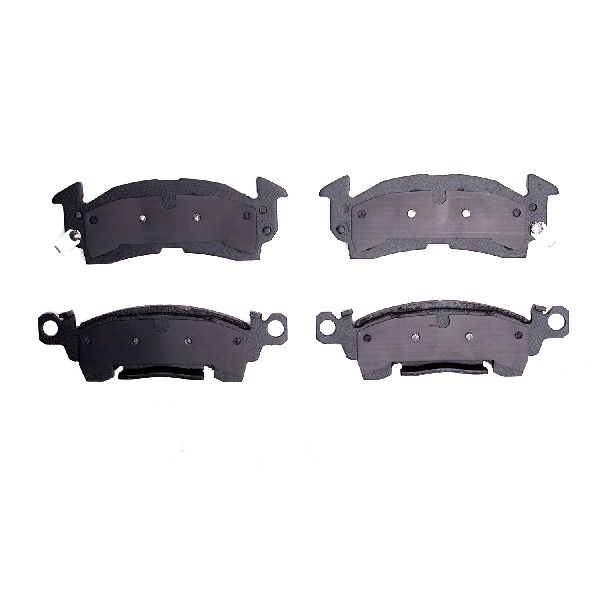
Economy Brands: For those on a tighter budget, brands like Dynamic Friction and Total Stopping Solutions offer a functional, low-cost alternative, though they may not provide the same longevity or low-noise characteristics as premium options.
Aftermarket Disc Brake Pad Set Cost
| Tier | Price Range (Front Set) | Best For |
|---|---|---|
| Economy | $25 - $45 | Basic transportation, budget-focused repairs |
| Daily Driver / OEM-Quality | $45 - $85 | Most owners, quiet operation, low dust |
| Performance / Heavy-Duty | $85 - $158 | Wagons, towing, spirited driving, maximum stopping power |
*Prices are estimates for a front disc brake pad set and do not include labor.
Frequently Asked Questions (FAQ)
Should I replace my rotors at the same time as my brake pads?
It is highly recommended. New pads perform best on a fresh, flat rotor surface. Installing new pads on old, worn, or warped rotors can reduce braking performance, create noise, and cause the new pads to wear out unevenly and prematurely. At a minimum, have the old rotors inspected for thickness and runout.
What is "bedding in" new brake pads and is it necessary?
Yes, it's very important. Bedding-in, or break-in, is the process of transferring a thin, even layer of friction material from the new pads onto the rotor surface. This ensures smooth, quiet, and powerful braking. The procedure typically involves a series of controlled stops from moderate speeds. Always follow the specific break-in instructions provided by the brake pad manufacturer.
Do I need special tools to replace my Roadmaster's brake pads?
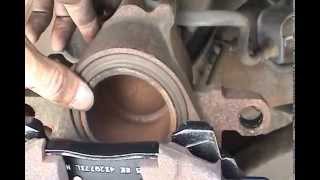
Replacing the front brake pads on a 1991-1996 Roadmaster is a straightforward job for a DIYer. You will need basic hand tools, a floor jack and jack stands, a large C-clamp to compress the caliper piston, and a 3/8-inch Allen (hex) socket for the caliper guide pins.
🎬 Watch this step-by-step guide to replacing your front brake pads.Are there any recalls for the 1991-1996 Roadmaster brakes?
Searches for specific brake pad recalls on the 1991-1996 Buick Roadmaster did not yield any results. There were recalls for other GM trucks and SUVs from the same era related to ABS performance, but these did not specifically name the Roadmaster. Always check the latest NHTSA database for your vehicle's VIN for any open recalls.
Helpful Videos
Technical Specifications
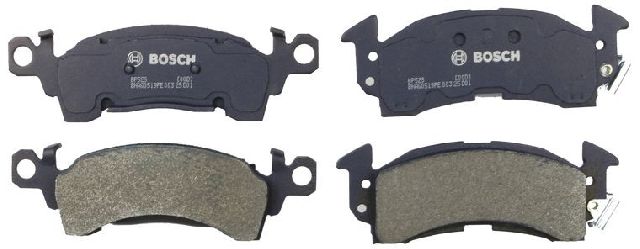
OEM Part Numbers: 14D52MH
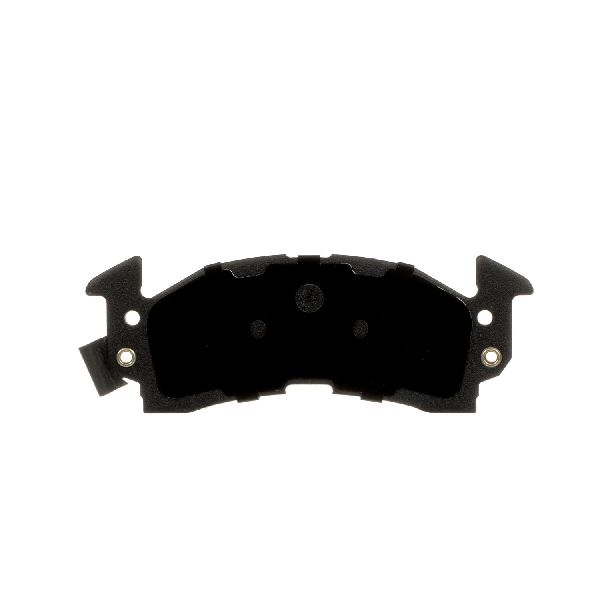
The 1991-1996 Buick Roadmaster uses a single-piston sliding caliper for the front disc brakes. The caliper guide pins require a 3/8-inch Allen (hex) head socket for removal. The 1994-1996 models feature larger 12.0-inch vented front disc rotors compared to the earlier models, necessitating a different pad shape. All models came standard with an Anti-lock Braking System (ABS).
We Have This Part in Stock

The information in this article is provided for general reference and educational purposes only. Vehicle specifications, procedures, and part compatibility can vary by production date, trim level, and region. Always consult your vehicle's factory service manual and verify part numbers before purchasing or performing repairs. Safety-critical components such as airbags, seat belts, and braking systems should be installed by a qualified professional.
- Buick Roadmaster: